











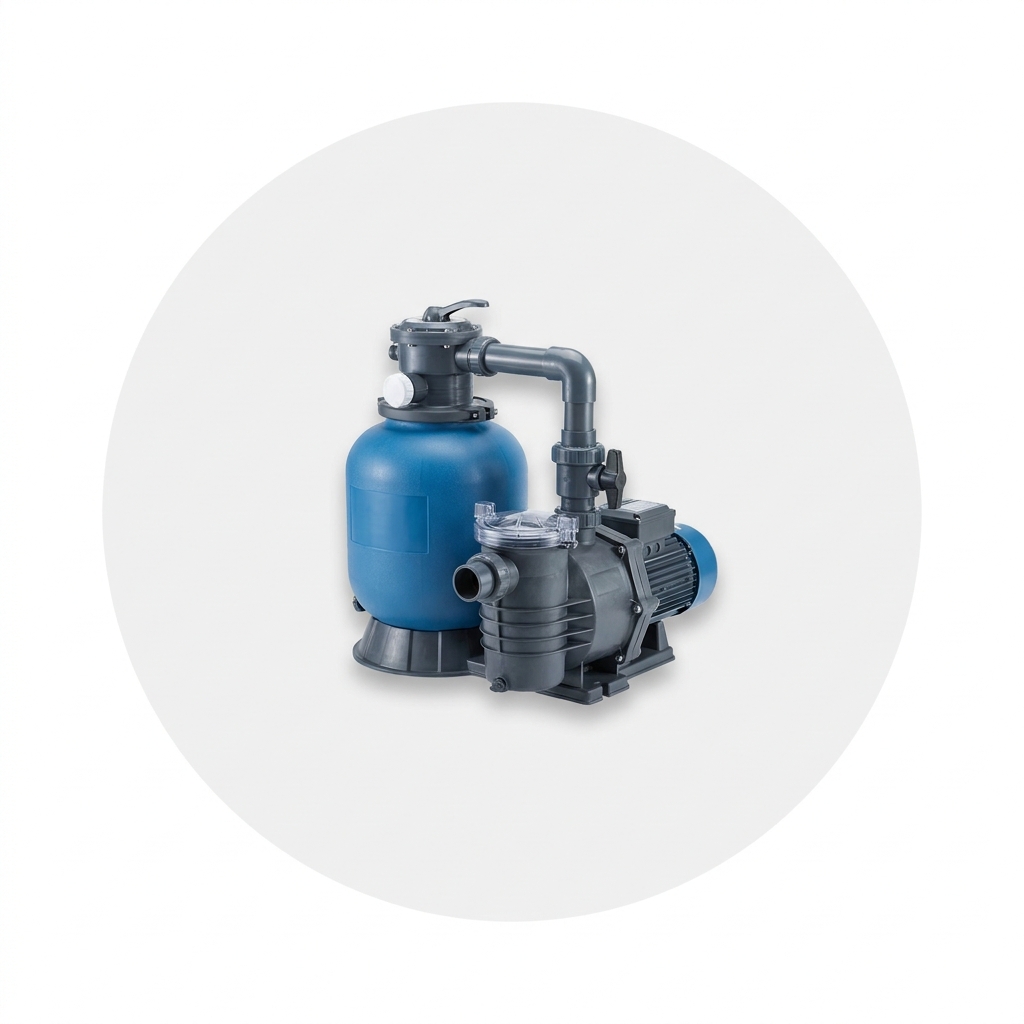
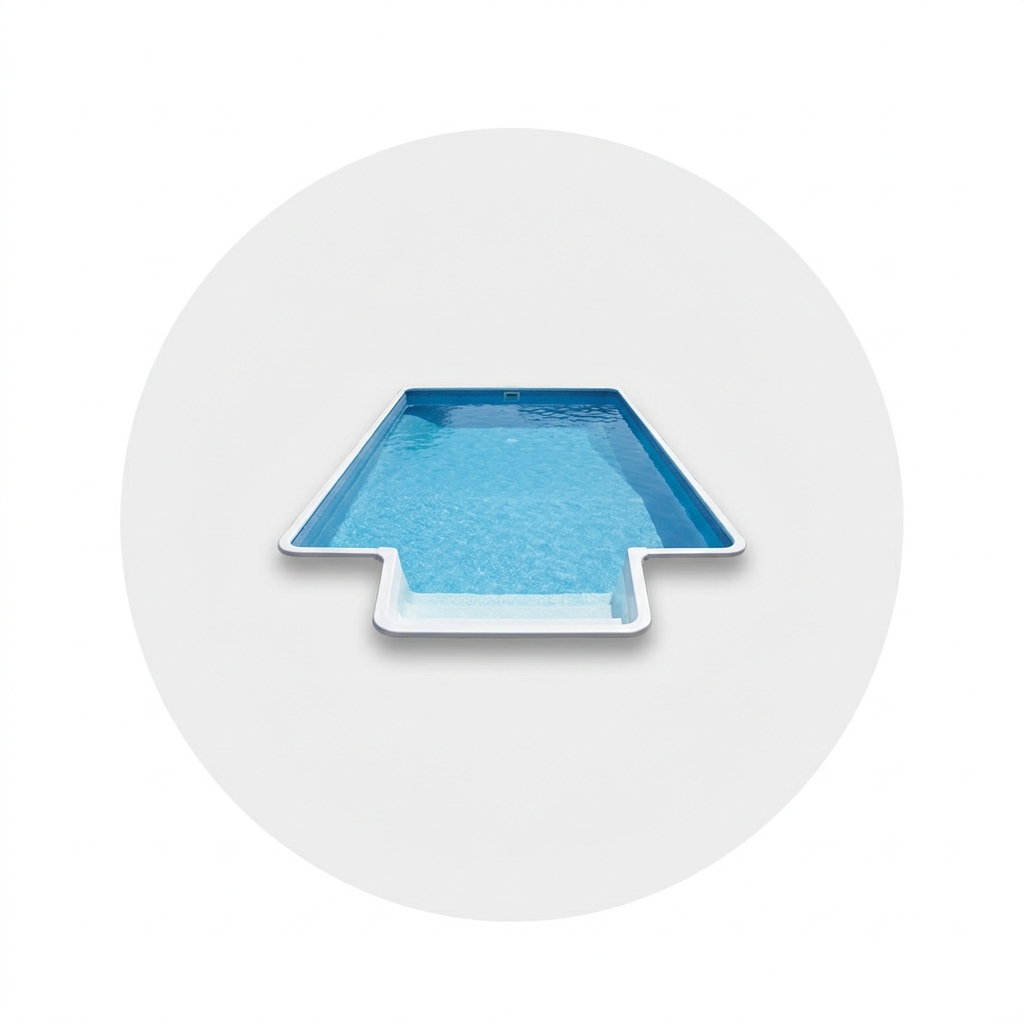
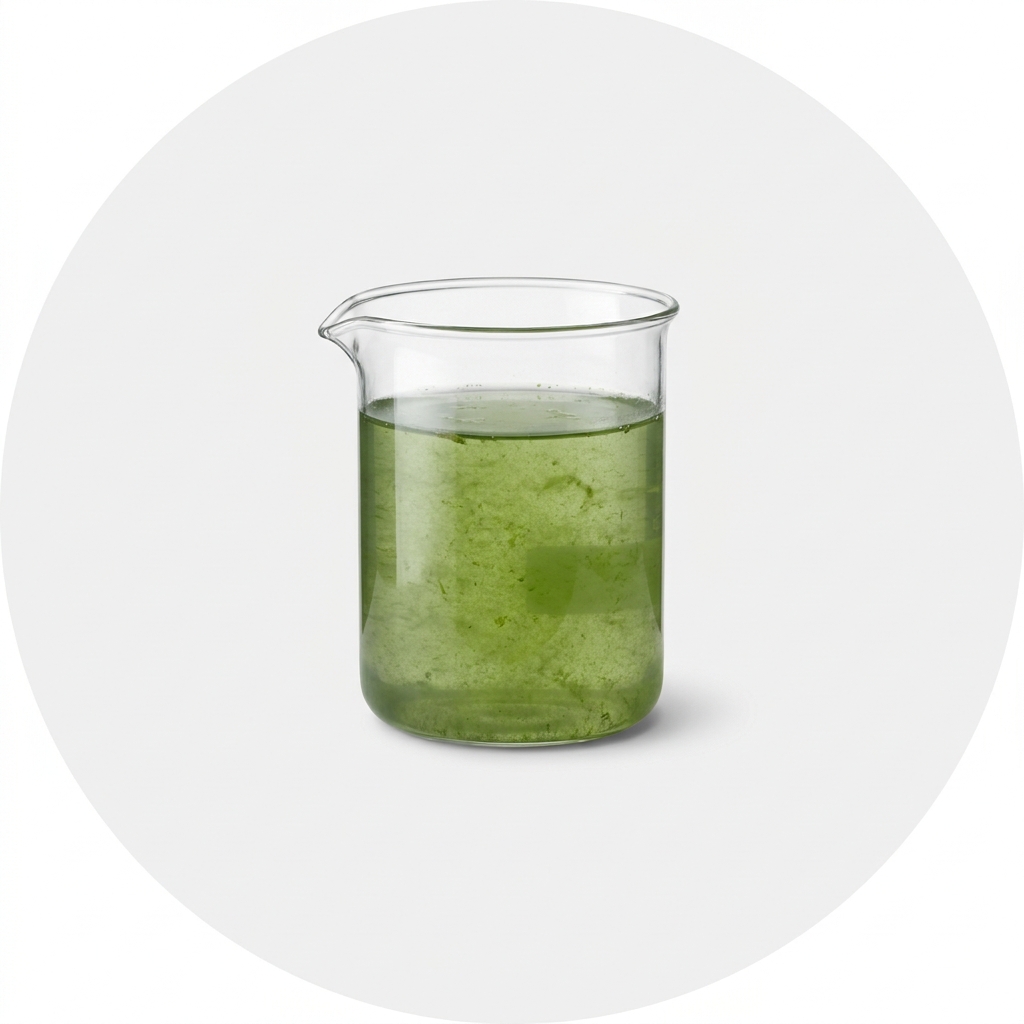





On a hot day, a pool pulls everyone in for a swim. Behind that inviting water is a pump working hard, quietly moving everything through the filter to keep it clear and safe. How long should you run it each day? That question trips up a lot of owners, because you're balancing good filtration against your energy bill, and the two pull in opposite directions.
Someone I know ran his pump 24 hours straight at first, figuring nonstop was the surest way to keep the water spotless. Then his electricity bill showed up. After some reading and trial and error, he landed on about eight hours a day, with small tweaks as the seasons changed. That's the pattern most owners settle into once they stop guessing.
A few things shape the right run time: your pool's size, how often you swim, and your climate. Warm areas may need more filtration to stop algae. A pool that rarely gets used can get by with fewer hours. Once you understand these details, you can build a schedule that fits your pool, keeps the water nice, and holds down your energy use.
Your Action Plan
- Measure your pool's volume so you know how much water the pump has to move.
- Divide that volume by eight to find the gallons per hour you need for one full turnover.
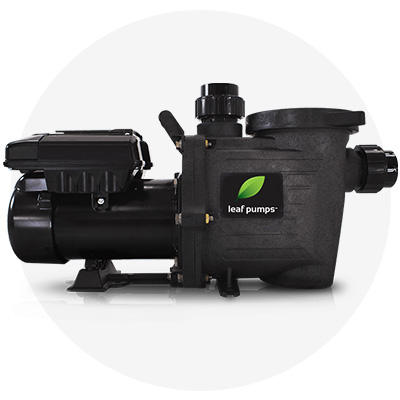
- Match a pump to that number, ideally a variable-speed model.
- Call your utility and learn your peak and off-peak hours.
- Set a programmable timer to run the pump during off-peak times.
- Test and balance your water chemistry as you dial in the schedule.
Optimize Pool Pump Efficiency

Running your pump well can change both your maintenance routine and your bill. The pump isn't just an on-off switch. Like a heart, it pushes every drop of water through the filter, catching debris and keeping the pool clear.
Single-speed vs. variable-speed
Start with the type of pump you have. Single-speed pumps run at one constant speed, which often wastes power. A variable-speed pump lets you dial the speed up or down for what your pool actually needs. Run at lower speeds, these pumps use far less electricity, and they often qualify for utility rebates. The friend I mentioned switched to one last summer and watched his costs drop by nearly a third.
A variable-speed pump costs more up front, but running it at lower speeds can cut your pool's energy use by a third or more.
Run during off-peak hours
Timing matters too. Many utilities charge more when demand is highest, usually in the afternoon. If that's your area, run the pump overnight instead. A programmable timer handles this for you, so you get the savings without watching the clock.
Keep up with maintenance
A clean filter and well-kept equipment run more efficiently, the same way a freshly tuned car runs smoother than a neglected one. Fine-tune how your pump runs and how you care for it, and you can have a clear pool without spending a fortune.
Maximize Circulation for Cleaner Water
Good circulation isn't about flipping a switch and walking away. It's about understanding your pool's rhythm and keeping it clean and efficient at once. The pump moves water through the filter to catch debris. Without steady circulation, the water goes stagnant, which invites algae blooms and cloudiness.
Figure out your turnover
To keep the water clear, work out your pool's turnover rate. That just means running the pump long enough to move all the water through the filter at least once a day. For most pools, an eight-hour cycle does the job, though it isn't a hard rule. A neighbor's pool might look cleaner than yours simply because they've matched their pump settings to their pool's size and layout.
Aim to turn over your entire pool at least once a day, which for most backyards means running the pump about eight hours.
When you run the pump counts too. Instead of the peak afternoon hours, try early morning or late evening, when rates are usually lower. And if you love a midnight swim, running the pump at night gives you freshly circulated water and spreads out any chemicals you've added, so the water stays safe and pleasant.
Schedule Smart to Cut Costs
It's tempting to set your pump and forget it, but watching the timing saves real money. Electric companies often charge more during peak hours. Call your provider and ask for the exact peak times in your area, then run your pump early in the morning or late in the evening instead. That switch adds up over a season, and your water quality won't suffer.
A programmable timer is your best friend here. Set the pump to switch on and off at the best times, and the pool stays clean while your bill stays lower. After you add chemicals or run a shock treatment, running the pump outside peak hours spreads everything out without the extra cost.
Choose the Right Pump Type
The pump you pick has a big effect on how well your pool circulates and on your bills, so it's worth some thought.
Get the horsepower right
Too much horsepower is overkill for a smaller pool. It wastes energy and strains your filter. Too little, and the pump runs and runs without ever hitting the turnover it needs, so the water never really clears. Match the pump's power to your pool's size and plumbing. Larger pipes may call for a higher-horsepower pump, but for most home setups a moderate one is plenty.
Choose your speed
If you're still running a single-speed pump, it may be time to upgrade. Dual-speed pumps let you switch between high and low speeds as needed. Variable-speed pumps are the real efficiency champions, though. They adjust to different speeds, use less energy, and often qualify for rebates. Spending more up front can mean big savings down the road, and these pumps run quieter too.
Balance Cost and Circulation

Finding the sweet spot between clean water and a reasonable bill takes a little balancing. You want clear water with no algae or debris, but you're also watching the electric bill. One owner I know ran her pump a solid 12 hours a day to keep the water her guests loved, until the first bill of the season made her stop.
She started by calculating her pool's volume and turnover needs, which told her the fewest hours she needed for proper circulation. Then she used a programmable timer to run the pump during off-peak hours, and her bill dropped noticeably. Adding a variable-speed pump paid off too. The upfront cost was higher, but the energy savings and the ability to match the pump's speed to the pool made it worth it. Lean on both smart timing and the right equipment, and anyone can balance cost and circulation.
Optimize Pump-Run Time
Getting your run time right is the core of efficient pool care. You don't have to run the pump around the clock and drain your bank account, and you shouldn't run it so little that the water goes murky. Aim for a middle ground based on what your pool needs and what your pump can do.
Every pool has its own quirks. A neighbor's pool might need a different schedule because of size, location, or the plants around it. Start by figuring out how much water your pool holds and how long the pump takes to circulate all of it. You want that full turnover done at least once a day.
Next, look at your pump type. Variable-speed pumps cost more at first but save a lot over time, and they make it easy to dodge peak rates by running off-peak. If your power company charges more when everyone gets home and cranks the air conditioning, plan around it. A programmable timer runs the pump at the right times without you babysitting it.
Finally, work your chemical treatments into the schedule. If you're adding chlorine or shocking the pool, nighttime is often best, since sunlight weakens the chemicals during the day.
Choose the Right Pump
Not all pumps are the same, and knowing your pool's needs is key to a good choice. Start with your pool size and turnover rate, which point you toward the power the pump needs.
Single-speed pumps are traditional but can be energy hogs. They're fine for simple setups, but not the most efficient over the long haul. Dual-speed pumps give you flexibility, running slow for regular filtration and fast for heavier cleaning jobs. The standout for modern pool care is the variable-speed pump. It costs more at first, but it pays you back by matching its speed to your pool's needs, saving energy and cutting your bill. Owners often mention how quietly these pumps run too.
When you pick a pump, think long-term. The right one doesn't just save money; it helps your pool last and keeps maintenance manageable.
Utilize Non-Peak Hours
Energy bills can creep up on you, especially with a pump running. The trick to keeping costs down is running it during off-peak hours. A lot of owners never think about how electricity rates shift through the day, but that small detail makes a big difference.
A quick call to my power company told me my peak hours ran from late afternoon to early evening, so I moved my pump schedule to late night and early morning, when rates were lower. That one change shaved a noticeable amount off my monthly bill while the pool stayed clean.
There's a practical reason to run the pump during quieter hours too. Chemicals need to circulate to work. Running the pump overnight spreads them evenly and prevents over-concentrated spots where they might burn off too fast under a harsh sun. Shocking the pool is the same story: sunlight breaks down pool shock, so running the pump after dark gives it plenty of time to work. A straight eight-hour run might feel like a lot, but you can break it into shorter blocks around off-peak times and get the same result.
Master Pool Water Chemistry
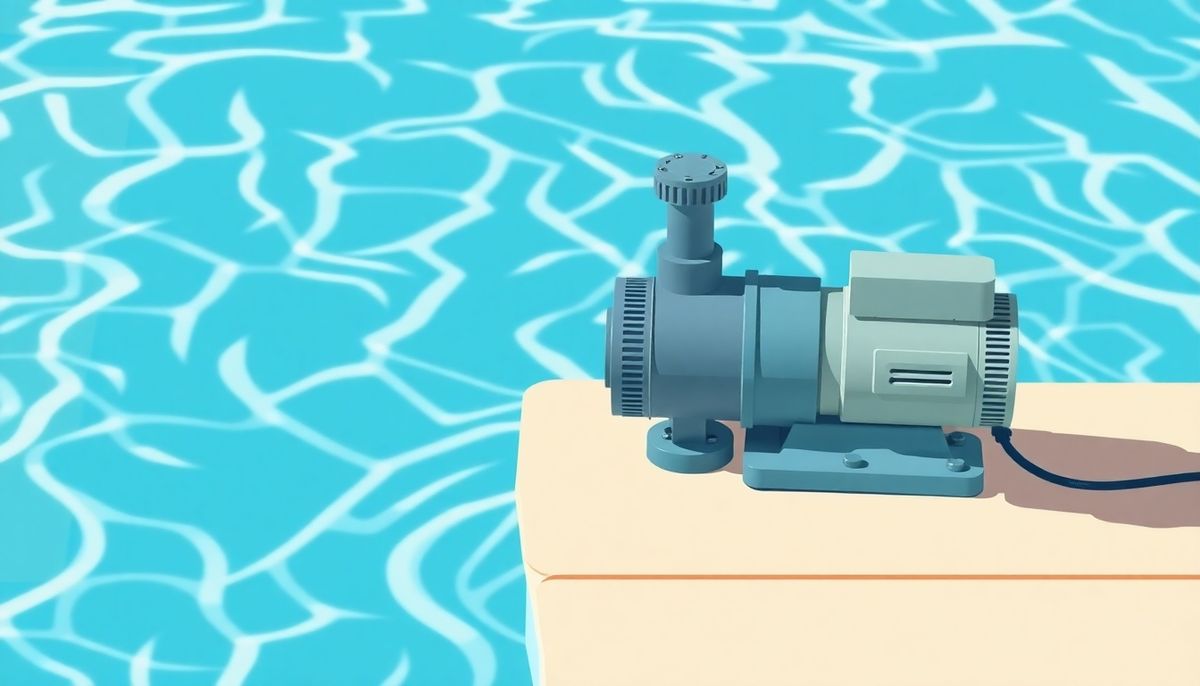
Getting a handle on your water chemistry is the secret to clear water in your backyard. Balancing the water is more than tossing in a few chemicals here and there. Your pool's health depends on getting the pH, alkalinity, and calcium hardness right, and each plays a part in keeping the water safe to swim in.
pH and chlorine
Keep your pH between 7.2 and 7.8. That range isn't just about comfort; it also helps your chlorine work its best. Keep chlorine between 1 and 3 ppm (parts per million) to kill bacteria while avoiding the irritation too much can cause.
Alkalinity and calcium hardness
Alkalinity acts as a buffer against pH swings, so keeping it in the 80 to 120 ppm range keeps things steady, which means you're not constantly adding chemicals to fix a pH that keeps drifting. Calcium hardness should sit between 200 and 400 ppm to prevent scaling and corrosion and protect your pool surfaces. I once ignored my calcium hardness, and before long the walls grew ugly scale. Regular testing and small adjustments spare you that kind of headache.
Keeping alkalinity between 80 and 120 ppm buffers your pH, so it stays put and you spend less time and money chasing it.
As you set your pump schedule, remember that good chemistry and good circulation work together. Keep testing, adjust as you go, and pool care starts to feel like second nature.
Optimize Pool Pump Usage
Balancing how you run your pump takes some careful adjustment. Rather than sticking to a rigid schedule, work with your household's rhythm and your local weather. My own pump story started with an eye-popping bill and turned into a lesson in smart timing.
Start by sizing up your pump's type and capacity. A variable-speed pump lets you run at lower speeds during off-peak hours and cut costs sharply. Next, work around peak electricity hours; in a lot of areas, early morning or late evening is ideal. Finally, don't skip regular maintenance. Keep the filter clean and clear of debris. I learned that the hard way after a windy night clogged mine and made the pump work overtime. Balance efficiency and cost this way, and your pool stays a place to relax instead of a source of frustration.
Improve Water Circulation
Water circulation keeps a pool healthy. Without it, a pool quickly becomes a home for things you don't want. The pump works nonstop to keep every drop filtered and fresh.
Pumps have to run long enough to fully turn over the water, meaning every gallon passes through the filter each day, catching debris and heading off algae blooms. How long that takes depends on your pool's size and your pump's capacity, but eight hours a day is usually a safe bet. Variable-speed pumps let you tailor the flow and save energy while you're at it, and a programmable timer runs circulation during off-peak hours and after chemical treatments. After a late-night pool party, running the pump overnight gives you a thorough cleaning and even chemical spread without hurting your wallet.
Somewhere in all the logistics of pool care sits one big choice: picking the right pump. Just as you wouldn't put a tiny heart in a giant body, you need a pump that fits your pool's size and needs. Sarah, a friend of mine, learned that the hard way. She bought a pump too small for her big backyard pool. It ran forever, gulped power, and the water stayed stubbornly murky.
Knowing the differences helps. Single-speed pumps are common but run full throttle all the time, burning electricity. Dual-speed pumps add some finesse, letting you drop to a lower speed when full power isn't needed. Variable-speed pumps are the true efficiency champions, quietly running at the best speed and saving money. Sarah finally upgraded to one, and it changed everything. Her pool stayed clean and her electric bill dropped a lot. Some regions even offer rebates for these models.
Calculate Ideal Pump Runtime

Learning to calculate the right runtime turns your pool care from guesswork into something you actually control. Instead of maxing out the pump, let's find the balance that keeps the water clean and costs down.
Start with volume
You just need to know how many gallons your pump moves in an hour, and make sure it can cycle your whole pool in about an eight-hour shift. Start by knowing your pool's volume, the way you'd know your car's fuel capacity. A reliable pool calculator gets you that number fast.
Do the simple math
Divide your pool's volume by eight to find how many gallons per hour (GPH) your pump needs to move. Pumps are often rated in gallons per minute (GPM) instead, so just take your GPH and divide by 60. Then pick a pump that meets or slightly beats that GPM so you get a full turnover. If your pump moves a bit more water than needed, that's fine; you just want to avoid one that falls short. Program it to run during off-peak times and you'll save even more.
Determine Pool Volume
Knowing your pool's volume is the first step toward running your pump efficiently. My own freeform pool looked tricky to measure because of its odd shape, but breaking it into smaller sections and using a pool calculator made it simple.
Start by measuring the pool's length, width, and average depth. For a rectangular pool, the math is easy: multiply those three numbers together, then multiply by 7.5 to turn cubic feet into gallons. Odd shapes take more work, breaking the pool into basic shapes and adding up the individual volumes.
Once you have that number, turn to your pump's capacity. Divide the total volume by eight to find the gallons per hour needed for one full turnover, then divide by 60 to convert GPH to GPM. Choose a pump that meets or just barely beats that number, without going overboard. That gives you efficient circulation and filtration without blowing up your bill.
Optimize Pump Scheduling
A good schedule doesn't just keep your pool running well; it can knock a real chunk off your bills. On a relentless summer afternoon it's tempting to run the pump nonstop, but understanding energy rates and pool chemistry leads to smarter choices.
First, get familiar with your utility's peak and off-peak hours. Costs jump during peak times because demand is high, so shifting your run time to early morning or late evening can save a lot. Next, line up your pump with your chemical treatments. After you add chlorine, the pump needs to run long enough to spread it evenly, and running it overnight keeps shock from burning off in the sun. A programmable timer gives you precise control, so you can set the pump to run in a few blocks a day for good circulation without going past the run time you need.
Choosing the right type of pump is a balance of efficiency, cost, and what your pool actually needs. One owner I know swapped his old single-speed pump for a dual-speed model, and almost overnight his energy bill shrank and his water turned clearer.
Single-speed pumps are simple but thirsty for energy. Dual-speed pumps give you options: a low speed for gentle daily circulation and a high speed for jobs like vacuuming or backwashing. Variable-speed pumps are the smartest of the bunch, with precise control over speed and energy use. They cost more up front, but they often pay for themselves through savings and rebates. Also think about your pool's size and plumbing. Pairing a big, high-horsepower pump with a small filter leads to waste and can even damage your setup. Match your choice to your pool's demands, and you'll hit good turnover without overspending.
Choose the Right Pump-Type
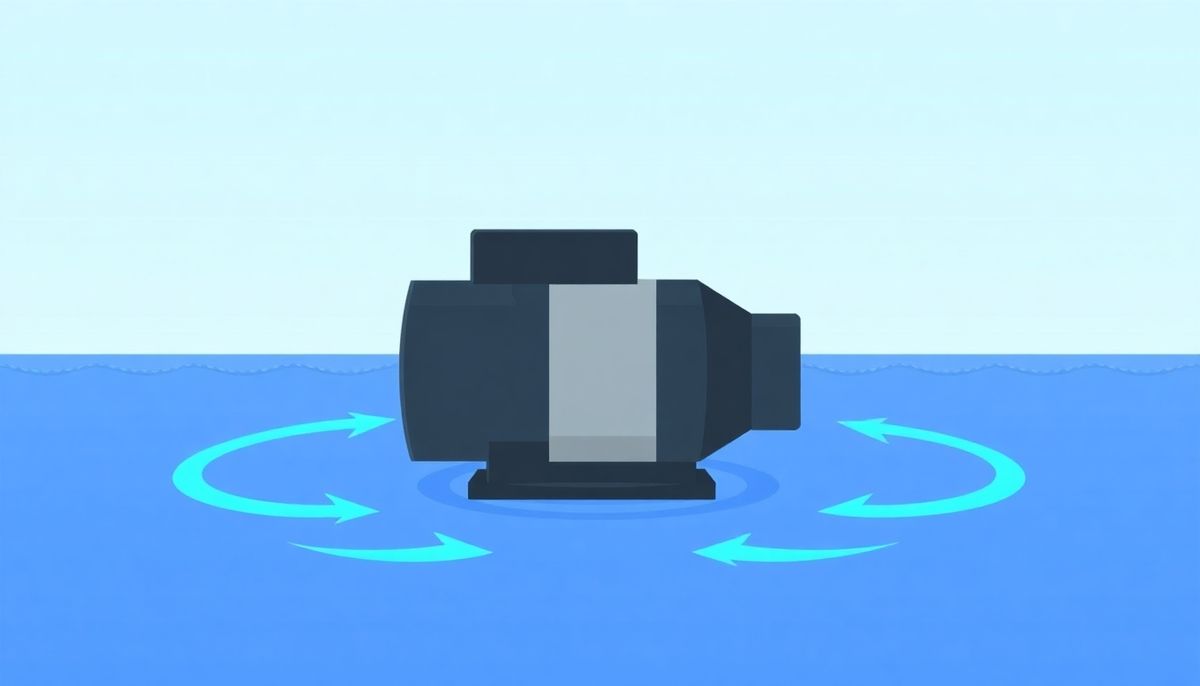
Not all pumps are the same, and the details of each really affect how efficient your pool is. Take the single-speed pump, long the standard in pool care. It runs at one constant speed, burning energy the whole time. It's cheaper up front, but the high energy use can inflate your bill in a hurry.
Dual-speed pumps take a more balanced approach. You can switch between high and low speeds, which makes them versatile enough for everyday circulation and for an energy-saving mode. That flexibility helps you manage run time without giving up water quality.
Variable-speed pumps are the most efficient option. They match your pool's needs with precision, and while they cost more up front, the energy savings and possible rebates can offset that quickly. They run quieter too. Knowing your pool's needs and your budget leads you to the right pump.
Optimize Pump Efficiency
Getting pump efficiency right is your ticket to energy savings and clear water. Instead of letting the pump hum on forever, a little strategy changes both your pool experience and your bill. It starts with knowing your pool's needs and your pump's capacity.
Make sure your pump can turn over the pool's whole volume at least once every eight hours. That means knowing your pool's volume and matching it to the pump's gallons per minute. I found how well it worked to run my pump in short bursts during off-peak hours; setting my variable-speed pump to lower speeds for longer stretches overnight shaved dollars off my bill, kept the water circulating, and put less wear on the pump. The pump you choose matters a lot here. Variable-speed pumps give you flexibility and savings, adjusting to your pool's exact needs where a single-speed pump can't.
Evaluate Pool-Care Costs
When you add up the cost of pool care, running the pump is front and center. Your electricity bill shows that daily workout, especially if the pump isn't set up to run efficiently. Maybe, like a lot of folks, you leave the pump on all day for convenience. That can lead to a nasty surprise when the bill lands.
Switching to a variable-speed pump costs more at first, but it can really change things. These pumps adjust their speed to what the pool needs and run at lower RPMs, cutting energy use by a lot. They also often qualify for rebates, which softens the upfront cost. Some areas, like California, have rules that push energy-efficient pool systems, so checking your local policies might turn up extra incentives. Timing helps too. Run your pump during off-peak hours and you ease the load on the grid while paying lower rates.
Conclusion

Getting your pump schedule right takes a little trial and error, but the payoff is a clear pool and a much happier energy bill. Start with your pool's volume, match a pump to it, and run it off-peak. The rest is small tweaks as the seasons change.
Want to become a pool maintenance expert? Our free Pool School course covers everything you need to know about pool care. From basic maintenance to advanced troubleshooting, you'll learn how to:
- Save thousands on pool repairs and chemicals
- Keep your water crystal clear year-round
- Prevent and solve common pool problems
- Master water chemistry with confidence
Join over 10,000 pool owners who have already transformed their pool care routine. Get started with our free Pool School course today!
What you need
Grab a reliable water test kit, a programmable timer, and, if you're due for an upgrade, a variable-speed pump sized to your pool's volume.