



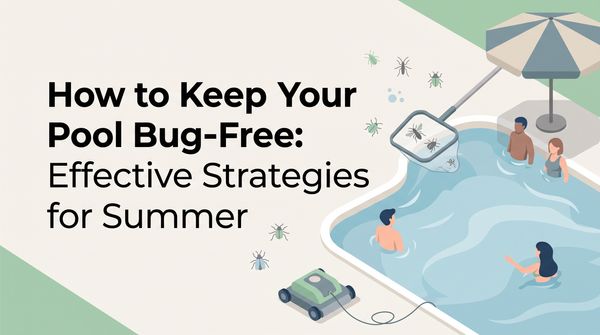
On a warm summer afternoon, few things beat a clean pool ready for a swim. The water shimmers under the sun, promising a break from the heat. Then an uninvited guest shows up: the water bug. If you've ever hosted one, you know the scene — a bug gliding calmly across the surface like it owns the place.
Water bugs, including backswimmers and water boatmen, can turn a good pool day into a fight. They're more than annoying. Some bite, which leaves you itchy and sore. And their presence usually points to a bigger problem: water that's out of balance, often fed by algae or debris. A surprise infestation can be stubborn. You can skim for days and still see them the next morning, because skimming alone doesn't fix what's drawing them in.
That's the key. You have to deal with what's attracting them in the first place. Whether that means balancing your chemicals or taking a few steps to head off trouble, one trick won't cut it. Once you learn to manage and remove these critters, you can take your pool back and enjoy it again.
Your Action Plan
- Skim the surface to scoop out visible bugs and floating debris.
- Brush the walls, steps, and ladders to loosen hidden algae.
- Vacuum the pool, sending the waste out to waste.
- Test and balance pH (7.4-7.6) and chlorine (1-3 ppm).
- Shock the pool at dusk and run the pump overnight.
- Keep up weekly cleaning and use a solar cover to stop them coming back.
Remove Water Bugs Effectively
When water bugs crash your pool, act fast. Your frontline tool is a good skimmer — look for one with a deep, sturdy net, basically a butterfly net for water. Sweep the surface and scoop out every bug you can see, along with any floating debris that draws them in.
Brush, vacuum, and shock
Once the surface is clear, vacuum. A manual vacuum lets you slowly pull out debris and sediment so it doesn't just settle back down. A weighted triangle vacuum head adds stability and makes the job go smoother.
Then brush. Algae clings to surfaces like a guest who won't leave, so scrub every nook — walls, ladders, and steps — with an algae brush. This loosens the algae and preps the pool for shock.
Before you shock, test. Use test strips or a liquid kit to check that pH and alkalinity sit in range. Then add a double dose of shock at night, so the algae and the bugs' food source both get wiped out while the pump runs overnight.
Skimming only treats the symptom; you clear water bugs for good by removing the algae they feed on.
Evict Water Bugs Safely
You don't always need harsh measures. A gentle approach works well, and it's better for your pool and the world around it. These bugs love to make themselves at home, but there are kind ways to show them out.
Start with your skimmer. Gently scoop the bugs and move them somewhere better — a pond or a nearby garden. They earn their keep out there by eating algae and mosquito larvae.
Then do a little detective work. Water bugs usually mean algae, even when you can't see it. Brush your walls and floor to break up early blooms, then vacuum so nothing's left to welcome them back. Steady pH and alkalinity keep them from returning, since algae struggles in well-treated water.
A solar cover helps too. It holds in heat and keeps bugs out when the pool's idle. Put these together and your pool gets a lot less appealing — no harsh chemicals required.
Eliminate Algae Sources
One of the best moves against pool bugs is going after the root: algae. It turns clear water into an eyesore and feeds water bugs, especially the aptly named water boatmen. The boatmen draw in the more aggressive backswimmers, which feed on them. Break the food chain and you break the infestation.
Get your chemistry right first. Test and adjust pH and chlorine regularly so algae can't settle in. It's easy to skip this when the water looks clear enough, only to find a hidden colony of bugs thriving below the surface. Steady chemical management is what does it.
Chemistry isn't enough on its own, though — you need mechanical cleaning too. Scrub the surfaces with a sturdy algae brush, then vacuum thoroughly, sending the waste out of the pool system so debris doesn't circle back.
Get into a regular shock routine as well. A double dose at dusk clears lingering algae spores and tells water bugs there's nothing here for them.
Maintain Pool-Sanitizer Levels
Your pool might look like the perfect getaway to you, but to water bugs it looks like an easy meal. Keeping them from moving in comes down to your sanitizer. Chlorine does the heavy lifting, holding off algae and pushing bugs away at the same time.
Think of your chlorine level as an invisible shield. Without enough of it, algae blooms and lays out a buffet for boatmen. Test regularly with strips or a liquid kit, and aim for chlorine between 1 and 3 parts per million (ppm).
pH matters too, because it decides how well your chlorine works. Keep it between 7.4 and 7.6 so the chlorine stays strong. Let this slide for even a busy week and an algae bloom can bring in more bugs than you can count.
Keep chlorine at 1-3 ppm and pH between 7.4 and 7.6, and you take away the algae that water bugs come for.
Prevent Bugs with Regular Maintenance
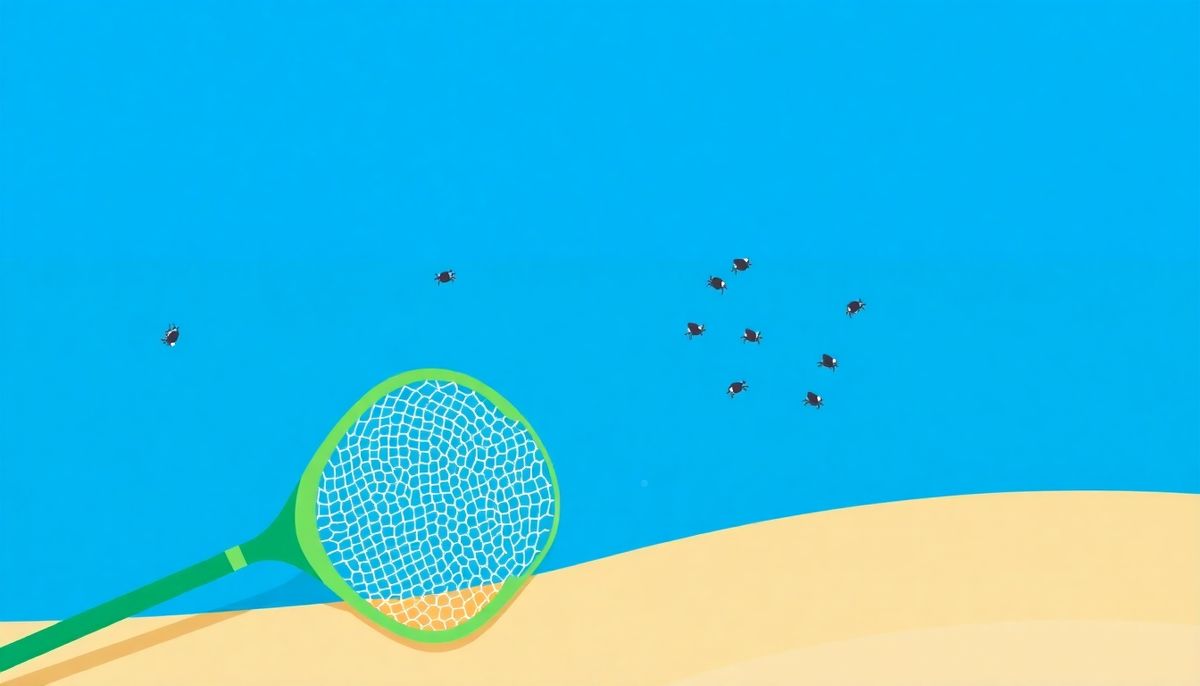
If you love that clean sparkle, regular upkeep is what keeps bugs away. The secret is consistency, a lot like weeding a garden. Too much algae is an open door for boatmen and backswimmers.
Brush the surfaces often to break up budding algae before it becomes a feast. Keep your filtration running well, too — a healthy pump circulates the water and keeps it clear. Let that slide and a greenish tint shows up fast.
Chemical balance ties it together. Test pH and chlorine regularly to keep the water hostile to algae. If you tend to forget, a weekly reminder helps. Upkeep can feel like a chore, but it's the cornerstone of a bug-free season.
Evict Unwanted Water Bugs
Getting water bugs out can feel like fighting tiny invaders. They're harmless, but they can turn bright blue water into something you'd rather skip. The trick is knowing what they're after and cutting off their food.
Grab your skimmer and remove as many as you can — a gentle eviction notice. Since they fly, some may head for a nearby pond, but at least they're out. Then go after their algae supply, which is often invisible but the main draw.
Scrub the walls and steps with a brush to loosen algae and prep for shock. Test pH and alkalinity to be sure they're in range. A double dose of shock at dusk works better, since it clears lingering spores. Finish by running the pump overnight so the chemicals spread evenly and the whole pool gets treated.
Maintain Balanced Water Chemistry
Balanced water is your quiet guardian, making the pool an unpleasant place for boatmen and backswimmers. They're drawn to water rich in algae and tiny organisms — their buffet. Slow the algae and you cut the odds of bugs showing up.
If algae spikes despite your best efforts, check your numbers. Off-balance pH and alkalinity give algae the perfect place to grow. Get pH between 7.4 and 7.6 and alkalinity between 100 and 150 ppm, and things fall back in line. That balance lets chlorine sanitize and keep algae down.
Regular shocking helps too, especially after heavy use or rain. It clears out sweat, sunscreen, and invisible bacteria, leaving uninvited guests without a food source.
Implement Algae-Prevention Strategies
Keeping algae down is your best move, and algae often goes unseen until it's too late. When bugs show up, shift your focus to prevention. Treat your chemistry like a wall: chlorine steady between 1 and 3 ppm and pH between 7.4 and 7.6 makes it hard for algae to grow.
A regular cleaning routine matters too. Brush the walls, steps, and ladders weekly so budding algae doesn't stand a chance, and vacuum thoroughly to keep the water clear.
Once a month, get ahead of trouble with a shock treatment. This isn't your everyday dose — a double dose of granular pool shock (calcium hypochlorite) does the trick. Timing counts, so do it at dusk before the sun burns off the chlorine.
Let your equipment help, too. A solar cover works as a barrier, keeping debris and bugs out when the pool's not in use.
Eliminate Algae to Deter Bugs
Algae is an open invitation to water bugs, turning a calm backyard into a bug haven. It feeds boatmen and gives them a nursery for their eggs. Clear the algae and you break the cycle.
Keep your chemistry strong — test pH and chlorine regularly to hold them in range. When algae gets in, hit it with a strong dose of shock, ideally at night. Once you've killed the spores, run the pump to circulate everything and clear out leftover particles.
Brushing the walls and floor with an algae brush loosens stubborn growth so your filter can catch it. And don't skip vacuuming; a manual vacuum pulls out the debris and sediment that feeds algae. Make it a routine, and steady care becomes your best defense.
Remove Algae to Prevent Infestations
Algae can seem like a minor annoyance, but it's a quiet invitation for water bugs. They live off it, using it for food and as a nursery for their eggs. Your pool might look spotless while an infestation starts below the surface, so clearing algae early is your first defense.
Scrub your surfaces regularly with a sturdy brush, paying attention to hidden corners, steps, and the undersides of ladders where algae clings. After a good scrub, vacuum the debris out instead of leaving it in the water.
Watch your chemical balance so chlorine keeps doing its job. If levels are off, a carefully measured dose of shock clears both visible and microscopic algae. A solar cover helps as well — it holds in heat and blocks bugs from reaching their algae feast.
Use a Pool Skimmer Effectively
A skimmer — long pole, netted end — is your handiest helper when bugs settle in. Using it well comes down to a few simple habits.
The right technique
Come at the pool with a plan. Skim the surface in gentle, sweeping motions to catch visible bugs and any floating debris that attracts them. These bugs are quick, so a calm, steady approach beats their dodging.
Design matters, too. Pick a skimmer with a deep mesh net to trap even the elusive ones, and an extendable pole so you can reach across wide pools without leaning off the edge.
Timing and habit
Skim early in the morning or late in the afternoon, when bugs are less active and easier to catch. Then make it a regular habit. Once bugs realize the pool is always watched, they're less likely to stick around, and your guests will thank you when they jump into bug-free water.
Maintain Pool Balance Regularly
A sparkling pool turns into a bug haven fast if maintenance slides. Boatmen and backswimmers usually point to a bigger issue: imbalance. Upkeep isn't just about looks.
Think of your chemistry like a garden. Plants thrive under the right conditions, and your pool stays bug-free when it's balanced. pH should sit between 7.4 and 7.6; when it drifts, algae takes off and welcomes the bugs. Keep test kits handy and check often so you catch problems early.
Chlorine plays a critical role by starving algae, and a weekly ritual of testing and adjusting keeps the water clear. Circulation matters too. Running your pump regularly spreads sanitizer evenly, so no corner escapes it. Many pool owners swear by an overnight pump schedule as the secret to a bug-free pool.
Use Pool Shock for Clean Water
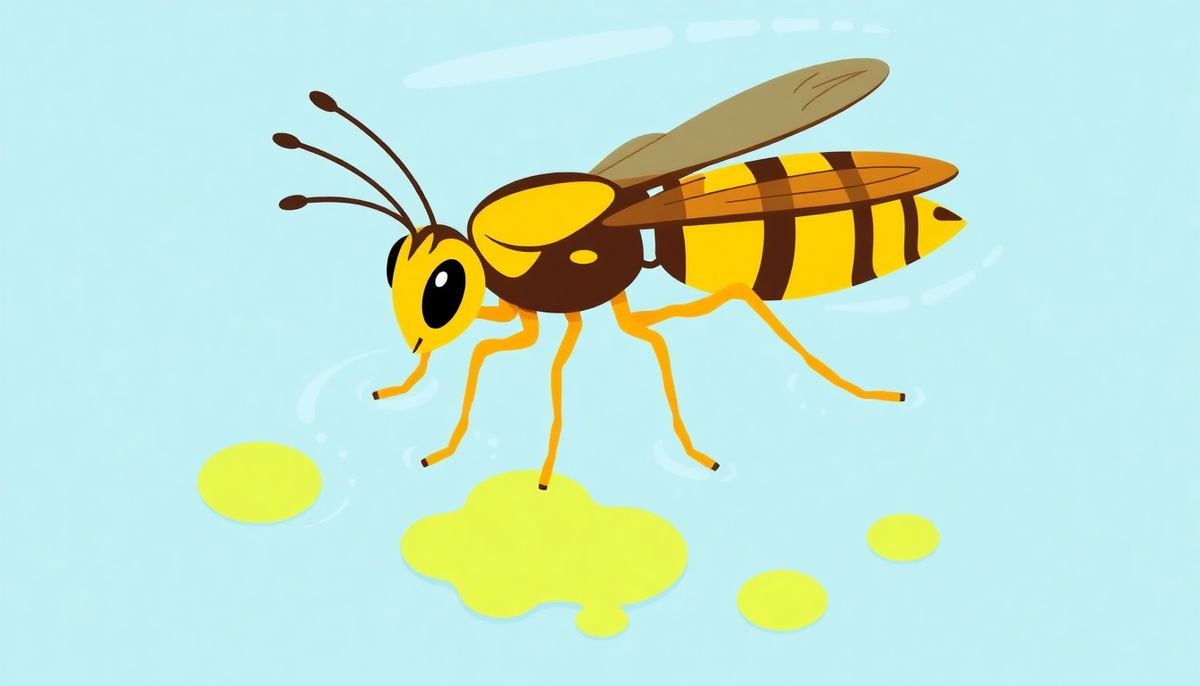
Shock is as effective as it is essential for clearing unwanted guests. It cleans out sweat, sunscreen, and invisible bacteria, and wipes out the environment bugs live in. Shock is really just a strong dose of chlorine that kills algae, bacteria, and other tiny pests — a reset button for your pool.
Wait for a cool evening, when the sun won't weaken the chlorine. Follow the package directions for a heavy algae treatment, which often means doubling or tripling the standard dose. The point is being thorough, so every bit of water soaks up the chlorine. Be careful, though — going overboard can bleach a vinyl liner, so measure rather than guess.
The results speak for themselves. A bad water bug invasion can clear after a single twilight shock and an overnight run of the pump, leaving clear, inviting water behind.
Shock at dusk and run the pump overnight so the chlorine spreads evenly and reaches every corner of the pool.
Evict Water Bugs Efficiently
Bugs treating your pool like their own retreat? Time to show them out. Start with the skimmer. Skim the surface at your own pace and you'll catch plenty. Since they have wings, some may fly off, but persistence pays. If killing them doesn't sit right, move them to a nearby natural water source where they keep doing their work.
Clear the algae, not just the bugs
Once they're out, go after their hidden accomplice: algae. Grab a manual vacuum and clear the sediment and debris. Set your filter valve to "waste" so the dirty water bypasses the filter and goes straight out of the pool instead of settling back in.
Break out an algae brush and scrub the walls, steps, and ladders so the shock lands with full force. Then shock at dusk to keep the sun from interfering — follow the label for a heavy algae dose if the bloom is bad.
Let the pump circulate the shock for at least eight hours, or overnight for a heavy dose. Test the water to be sure chlorine is back to a swim-safe level. Take away their habitat and their food, and the bugs have no reason to return.
Eliminate Algae for Good
Here's something many owners miss: algae is the guest that invites water bugs in. These tiny plants seem harmless, but they're the main course for boatmen, turning your pool into a buffet. Clear the algae and you solve the real problem.
Algae thrives on neglect. When upkeep slips, it grabs the chance. Balanced pH and regular cleaning are your first defense. Start with a thorough brushing, leaving no corner untouched — algae loves dark, undisturbed spots, so hit the steps, ladders, and corners.
Test regularly with strips or a liquid kit to keep pH between 7.4 and 7.6, which discourages algae and helps chlorine work. Then shock. A heavy dose of granular shock at night disrupts algae and gives you a clean start. Run the pump overnight to circulate the chemicals fully. When algae can't take root, bugs find your pool far less appealing.
Maintain a Bug-Free Pool
A sparkling pool with no unwanted guests is doable with the right habits. Consistency is your best ally.
Skim every day to remove bugs along with the leaves and debris that feed algae. Pay attention to the corners and crevices where debris hides — think of it as daily grooming.
Test the water weekly to keep pH and chlorine in range. Proper chlorine holds off algae, which cuts the bugs' main food source. On top of that, a double-dose shock can turn things around after a rainy spell or heavy use, resetting your pool's chemistry.
Solar covers help with prevention too. They hold in heat and act as a shield, and putting one on when the pool's idle makes it an unappealing spot for any bug hoping for a splash.
Relocate Instead of Killing Bugs
Moving bugs out instead of killing them might seem unusual, but it's a kinder approach that respects nature's balance. Water boatmen — the less troublesome of the two main invaders — help control algae and mosquito larvae. When they show up, they usually mean there's algae, which regular cleaning handles.
Instead of harsh measures, reach for a skimmer. Gently scoop them and move them to a nearby pond or natural water body, where they keep working without bothering your pool time. This spares you oily traps and decomposing bugs clogging your filter.
It takes a bit more effort at first, but relocating bugs supports a healthier yard. And by focusing on prevention — regular vacuuming and brushing — you keep the pool algae-free, so they have no reason to come back.
When bugs move in, getting them out safely takes a little finesse. Understanding their role shapes how you respond. Water boatmen may look unsightly, but they eat algae and mosquito larvae, so it's worth weighing the good they do against the nuisance.
Safe removal starts with a skimmer to gently catch and release them away from your swimming area. Choosing relocation over extermination respects their role and leaves no mess. Once they're rehomed, deal with the root: algae. Brush the surfaces to loosen growth, then vacuum thoroughly to remove both visible and microscopic debris.
Balancing chemistry is crucial. Test and adjust pH and alkalinity to make the water hostile to algae. A shock treatment at dusk curbs growth, and running the pump for several hours spreads it evenly. Keep it up and you'll deter future invasions while keeping the water clear.
Maintain Algae-Free Pools
Keeping your pool algae-free is the key to a bug-free one. Algae looks harmless, but it's a buffet for boatmen and backswimmers. When they appear, it usually signals an algae problem below, even if you can't see it yet.
A clean pool is your first defense. Skim the surface and vacuum the floor regularly to remove the debris that breaks down and feeds algae. It's common to think a pool is spotless, only to find a green tint forming in hidden crevices — even small growths draw guests.
Balanced chemistry matters just as much. Keep pH between 7.4 and 7.6 so chlorine can prevent blooms, and check often with a reliable kit. Shocking is another strong tool; done at night so the sun doesn't weaken it, it kills spores before they multiply. In this fight, consistency wins.
Conclusion
Keeping bugs out of your pool takes a little persistence, but sliding into clear, bug-free water makes it all worth it.
Want to get better at pool care? Our free Pool School course covers everything from basic upkeep to advanced troubleshooting. You'll learn how to:
- Save thousands on pool repairs and chemicals
- Keep your water crystal clear year-round
- Prevent and solve common pool problems
- Handle water chemistry with confidence
Join over 10,000 pool owners who've already changed their pool care routine. Get started with our free Pool School course today!
What you need
Grab a skimmer with a deep net, an algae brush, a manual vacuum, a reliable test kit, and a bag of pool shock, then add a solar cover to keep bugs out between swims.