



















A hot tub is a nice place to unwind, right up until white mold shows up and spoils it. This slimy white stuff, sometimes called biofilm, isn't just ugly to look at. It can also gum up how your spa runs. I've spent plenty of time on hot tub upkeep, so I know how frustrating it is to lift the cover and find your once-clean water dotted with white flecks.
White mold loves the warm, damp inside of a hot tub, and it often shows up out of nowhere. It usually starts as tiny flecks that seem harmless, floating on the surface or clinging to the walls. Ignore them, though, and they multiply into a stubborn film that shrugs off casual cleaning. Catching the early signs and knowing what causes them are your first steps toward stopping a full outbreak.
Whether you've owned a spa for years or you're brand new to it, learning how to fight and prevent white mold keeps your tub the calm escape it's meant to be. Hot tubs need steady, ongoing upkeep, and once you know what you're up against, that upkeep gets a lot simpler.
Your Action Plan
- Test and balance your water weekly for pH, alkalinity, and sanitizer.
- Drain the tub and scrub every surface with vinegar or a hot-tub-safe cleaner.
- Clean or replace the filter to clear out lingering spores.
- Refill, then shock with chlorine to at least 10 ppm and run the jets 30 minutes.
- Rebalance the water and keep the cover on when you're not soaking.
- Recheck weekly and change the water every three to four months.
Identify White Mold Causes
What white water mold actually is
The thing behind this mess is a naturally occurring fungus, not algae, which is what a lot of people assume. The warm, damp conditions inside a hot tub make an ideal home for it. Spores drift in on the currents and settle into any little crack or corner they can find, and skipping maintenance speeds up the process. Clean the tub too rarely and check the chemicals too seldom, and the mold spreads unnoticed.
Those spores often ride in on swimsuits or on water carried in by the people using the tub. Once they're in, they multiply fast if the water chemistry is off. Testing and adjusting your water regularly is what keeps them from taking root, so stay watchful and you'll keep your tub a place to unwind instead of a home for mold.
Recognize White Water Mold
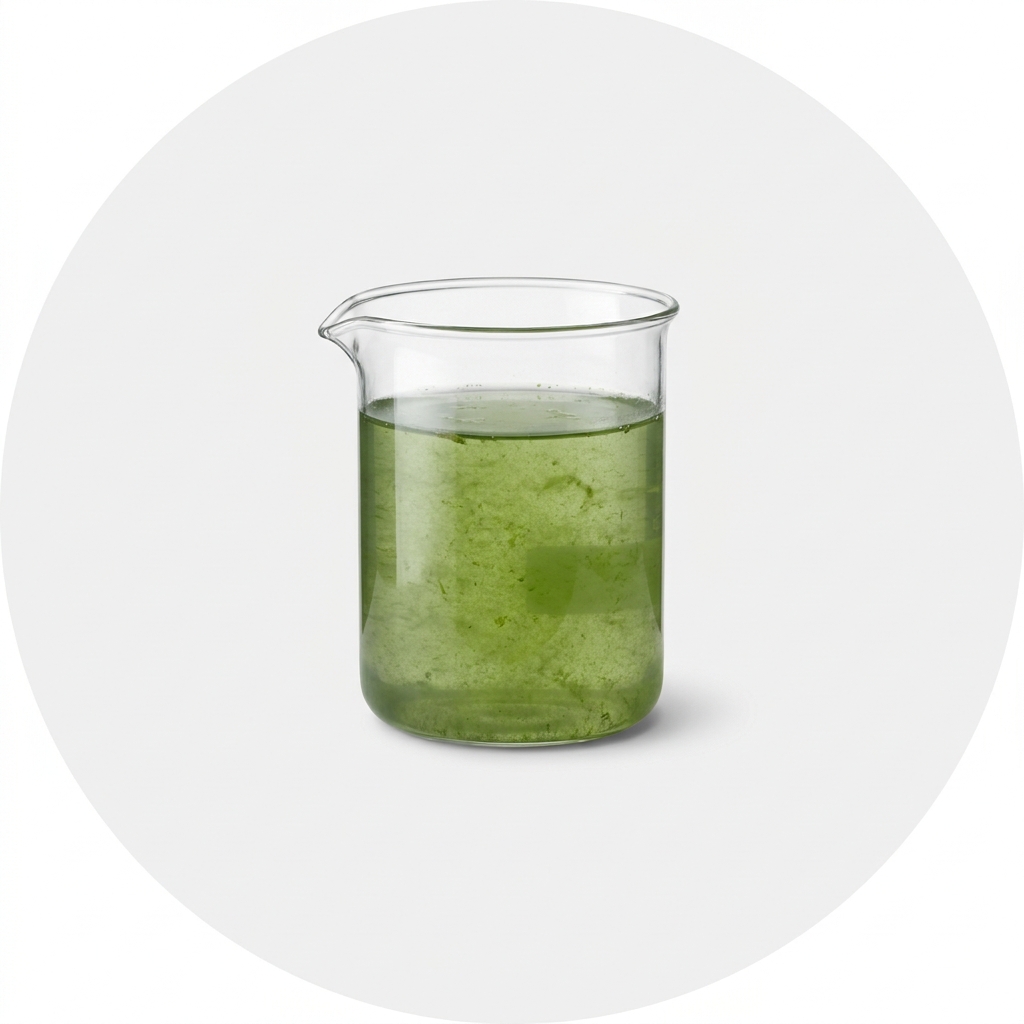
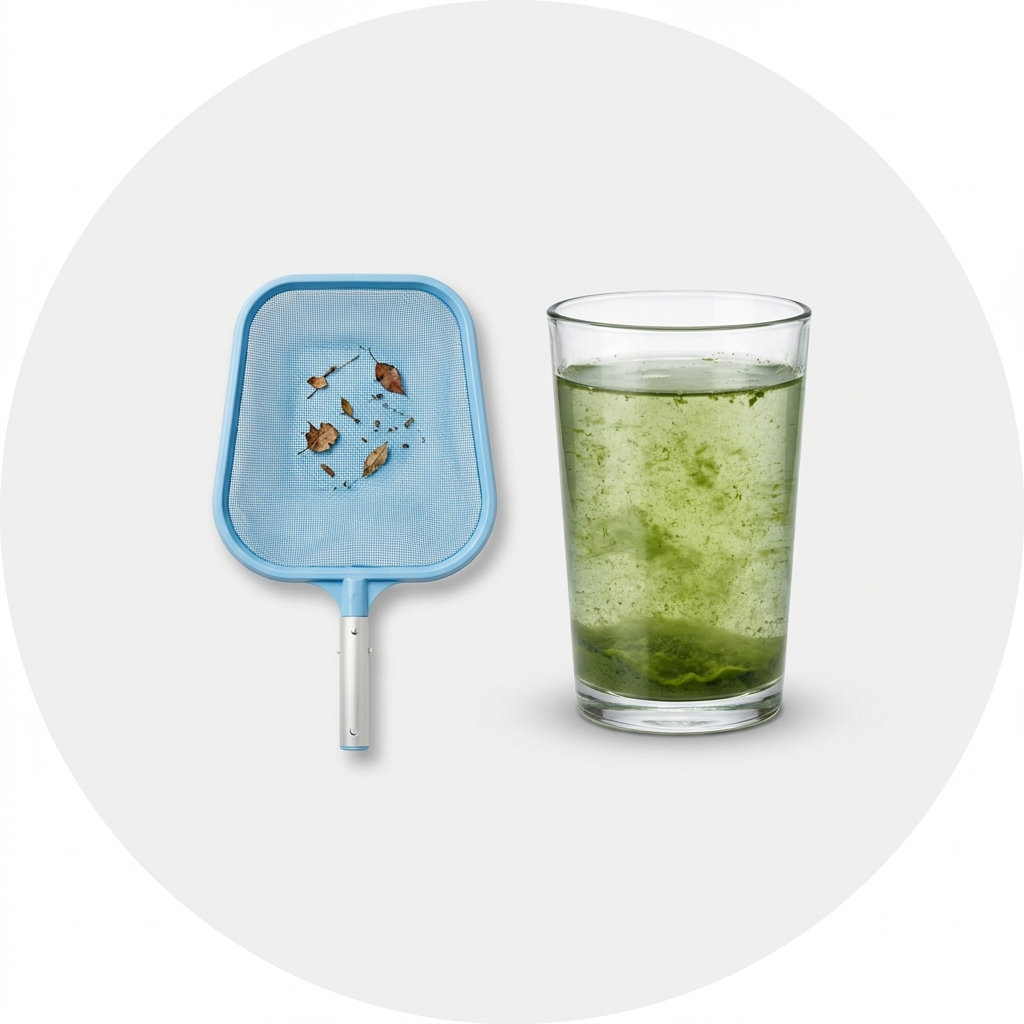
You don't need a magnifying glass to spot white water mold. It usually shows up as a white, tissue-like substance stuck to the surfaces inside the tub or floating in the water, like bits of wet paper. Cloudy water when you lift the cover is another early clue. Unlike the bright greens and yellows of algae, this mold keeps a low profile, so it's easy to miss until it starts spreading.
It can pass for leftover sunscreen or soap residue at first, but it's a fungus, closer to mildew than algae, and it loves warm, moist spots. Touch it and you'll feel a slimy, slick coating that tells you it's more than dirt. It feeds on the biofilm lining your pipes, which gives it plenty of places to grow. If you see that telltale shimmer on the water or feel a slippery film on the walls, act right away.
Catching it early saves you hours of scrubbing later.
Identify Contributing Factors
Before you take on white water mold, it helps to figure out what let it in. That moment isn't just about the mold itself. It usually points to something you missed. The biggest cause is skipping regular cleaning and sanitizing. It's easy to let maintenance slide when life gets busy, but without it, mold gets the opening it needs.
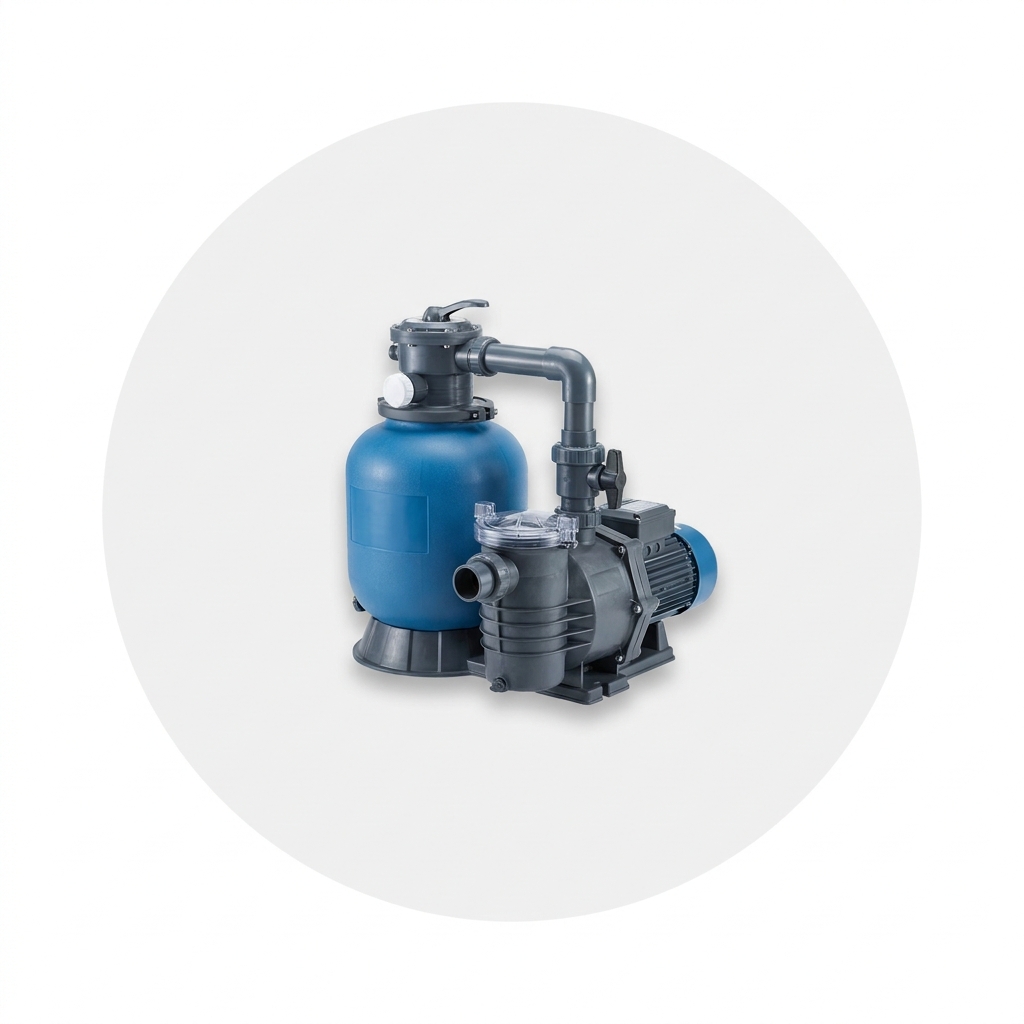
Chemical imbalance plays a big part too. If you've noticed slight cloudiness or an odd smell, your pH may have drifted or your chlorine may be low, and those swings make it easy for mold to take hold. Regular testing with a kit that measures pH, alkalinity, and sanitizer is your best friend here. Poor circulation is the third culprit: stagnant water is practically an invitation, so keep your filtration system running well and the water moving.
Implement Preventative Measures
Build a prevention routine
Preventing white mold comes down to steady habits. Keep a consistent cleaning schedule, and don't stop at the surfaces. Pay attention to the filters, pipes, and jets where mold likes to hide. Test your water each week for pH, alkalinity, and sanitizer, since balanced water is your main line of defense. Add a chlorine shock treatment after heavy use to clear out contaminants before they cause trouble.
Keep the cover on when you're not soaking. It holds the temperature and chemical levels steady and keeps debris out. Give the area some airflow too, so the moisture mold loves doesn't build up. One habit that helps me: I keep a small waterproof notebook by the tub to jot down maintenance notes, so I don't forget the little tasks that add up.
Combat White Mold Effectively

Dealing with white mold doesn't have to feel overwhelming. One autumn afternoon I noticed stubborn white patches forming inside my own hot tub, and a little research plus some scrubbing cleared it out. Here's the same approach.
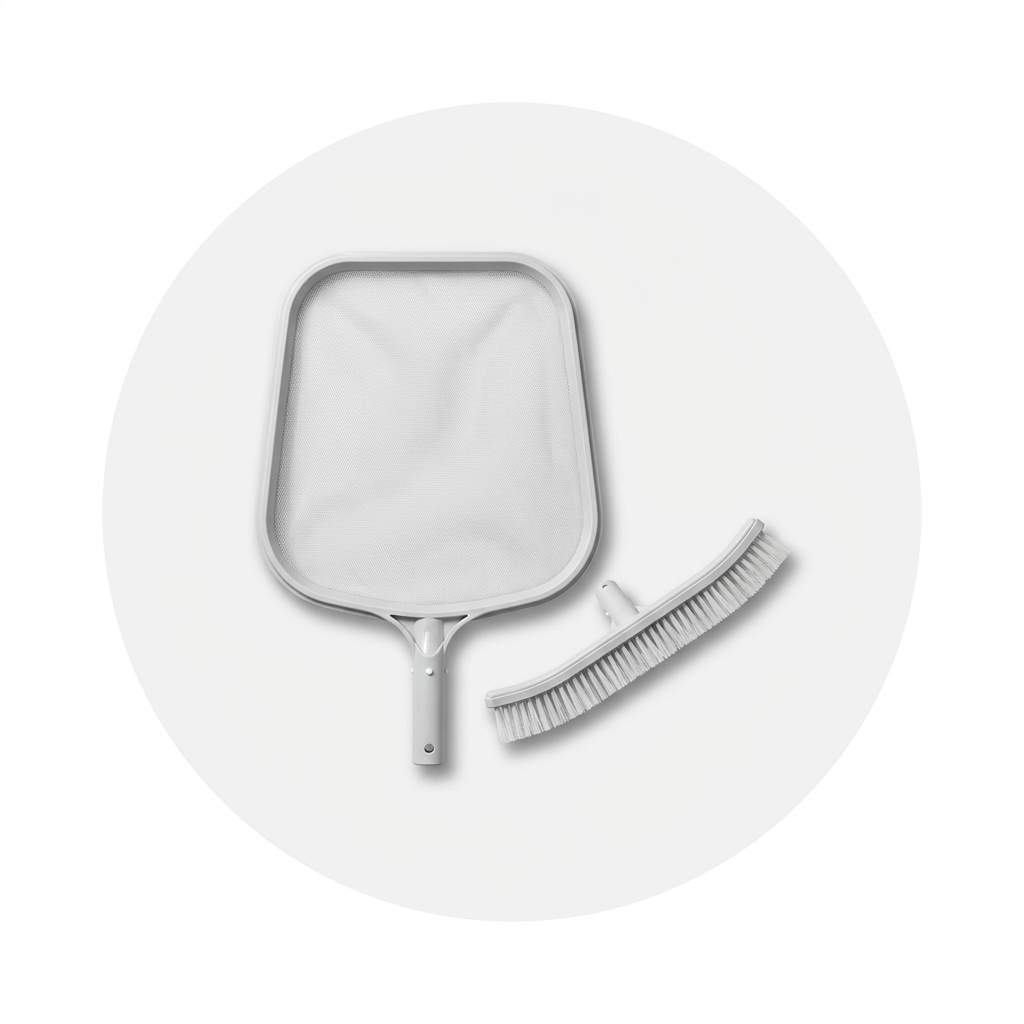
Start by draining the tub completely so you can clean everything. Grab a soft brush and some distilled white vinegar, and scrub every surface where you see mold, getting into the nooks and crannies where it hides. Take out the filter and soak it in a filter cleaner or a diluted bleach solution to wipe out lingering spores. Once the tub is spotless, refill it with fresh water and balance the pH and alkalinity.
For good measure, shock the water with a chlorine-based shock treatment. It rapidly breaks down the mold and clears the water so it's safe to soak in again. Keep testing weekly, and the mold stays gone.
Finding a cloudy white film in your once-clear tub is unsettling, but the cause is usually white water mold. It gets in a few ways, often starting with a contaminated water source. If your supply isn't well filtered, spores ride right in. Mold can also linger in shared swimsuits and towels, coming back every time you use them.
Weak sanitizing is another common cause. Skimping on cleaning lets existing mold flourish and gives new spores a comfortable place to settle. Poor circulation makes it worse, creating stagnant spots where mold multiplies. Once you know these causes, prevention gets much easier. Deal with the root of the problem and you can enjoy your tub without it coming back.
Balanced, well-circulated water is the single best thing standing between you and a mold outbreak.
Apply Effective Treatment Solutions
The deep-clean steps
Getting rid of white mold is a chance to bring your tub back to life. Drain it completely first. It might feel like a lot, but it's the only way to clear out the habitat where mold thrives. Then grab a sponge or soft brush and scrub every surface: walls, jets, and the cover. Use a mild, hot-tub-safe cleaner so you're not adding harsh chemicals to the water.
Refill with fresh water, then apply a chlorine shock treatment to wipe out any spores left behind, and follow with an oxidizer to clear the water. Finally, test and balance the pH and alkalinity. A balanced tub is far less inviting to mold, and regular strip tests act as your early warning system against it coming back.
Implement Preventive Maintenance Practices
A steady preventive routine keeps you a step ahead of white water mold. Start with regular water testing. Weekly checks of pH, alkalinity, and sanitizer will flag imbalances before they invite mold, so adjust as needed to keep the water unfriendly to growth.
Treat your filter as an ally. Clean it every two weeks, or more often if your tub gets heavy use, since a neglected filter turns into a breeding ground. A weekly shock treatment, chlorine or non-chlorine, oxidizes contaminants and keeps the water clear. And wipe down the shell and cover regularly, because even careful water care can't stop mold that finds a cozy corner to settle in.
Prevent Mold with Regular Maintenance
Hot tubs need steady, ongoing upkeep. Check the water chemistry on a regular basis with a reliable test kit, keeping your chlorine or bromine balanced. Those sanitizers are what hold mold back and keep the water clear. Rinse the filter weekly and give it a deep clean monthly so it keeps trapping impurities and stops spores from finding a corner to grow in.
Shocking the water on a schedule matters just as much. A good shock treatment breaks down organic matter, including any mold, and keeps the water clear and fresh-smelling. Simple habits help too, like showering before you get in and keeping the cover clean. None of it is glamorous, but steady, attentive care is what keeps mold away.
Implement Regular Water Testing
What to test for
Testing your water regularly can feel like a tedious chore, but it's central to keeping white mold away. Think of these tests as your tub's checkups. One lazy afternoon I skipped my routine checks, figuring everything was fine. A week later I got an unpleasant surprise: cloudy water and white mold.
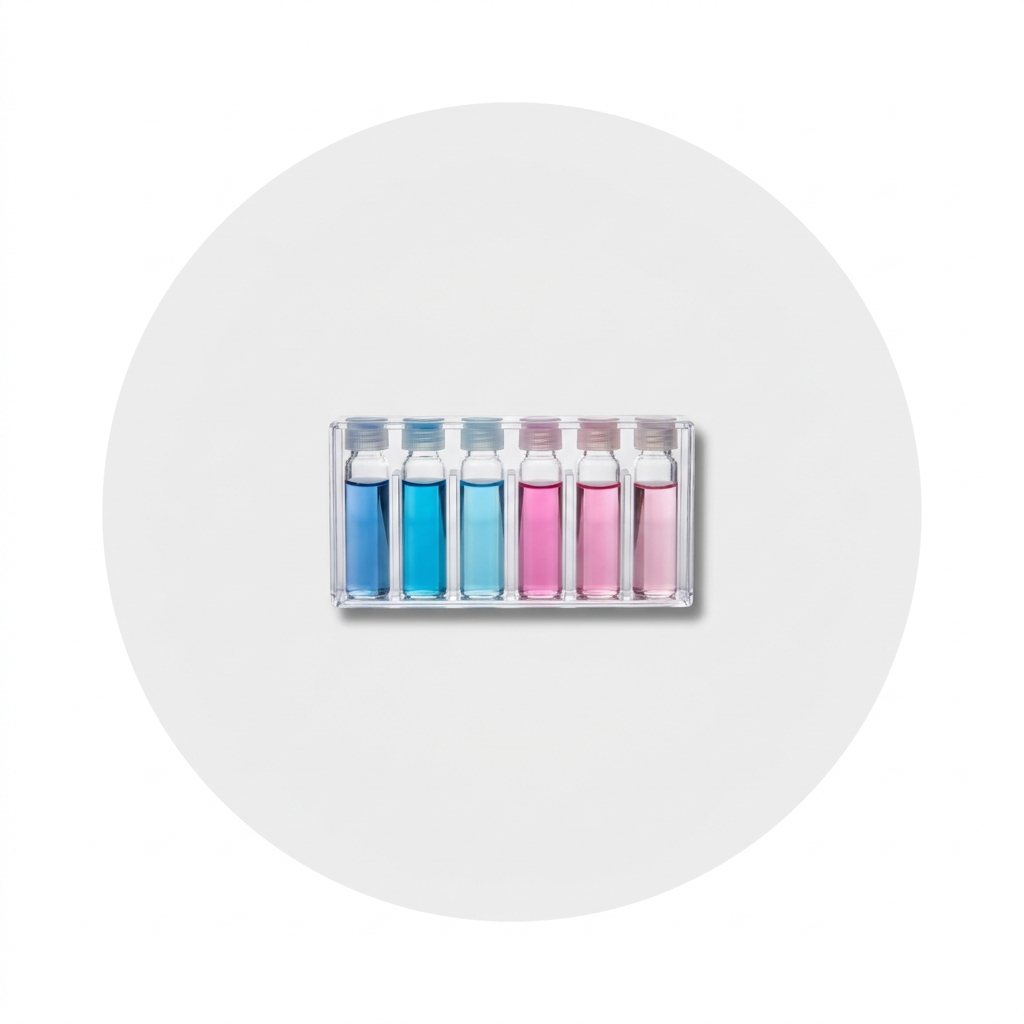
Use test strips to measure total hardness, chlorine, bromine, free chlorine, pH, and total alkalinity. If you sanitize with dichlor, test cyanuric acid too, so you know your chlorine isn't getting locked up and left ineffective. Low pH can irritate skin and eyes, while high alkalinity clouds the water. Keep these numbers in range and mold has little room to grab a foothold. The water can look clean while spores drift, waiting for their moment, so this kind of steady attention greatly cuts the odds of a future infestation.
Utilize Chlorine-Based Treatments
When you first spot white water mold, a chlorine-based treatment is one of your best tools, but it takes a little care rather than tossing in chemicals and hoping. Chlorine rapidly breaks down the mold and clears the water so it's safe to soak in again. Start by shocking the tub: raise the chlorine to at least 10 parts per million to hit the mold hard. That may sound intense, but it's what it takes to wipe out a stubborn fungus.
In my experience, it helps to run the jets for a good 30 minutes after shocking, so the treatment reaches every crevice where mold hides. Leave the cover off during this so the gases can escape safely. Afterward, watch the chlorine level and let it ease back to a safe range before your next soak.
Shock the water to at least 10 ppm of chlorine and run the jets for 30 minutes so the treatment reaches every hidden crevice.
Conduct Thorough Cleanings
Scrub, flush, and refill
A thorough cleaning is the heart of getting white mold out. Drain all the water so no hidden pockets remain. With a soft brush and a gentle, non-abrasive cleaner, scrub every surface, especially the nooks where mold likes to hide. Give extra attention to the jets and filters, since they often become breeding grounds. Take the filters out for a deeper clean, and soaking them overnight in filter cleaner can make a real difference.
Once every surface gleams, turn to the plumbing. A pipe cleaner or a hot tub line flush knocks loose any mold clinging inside the pipes. Refill with fresh water, and think about using a pre-filter to strain out impurities as the water goes in. That simple move greatly lowers the chance of spores sneaking back.
Master Hot Tub Care Essentials

Owning a hot tub adds a little luxury to your backyard, but it takes a careful eye. Build a routine and stick with it. Test the chemistry at least once a week to keep your pH balanced and head off the conditions mold loves. A reliable test kit that reads total hardness, chlorine, bromine, and more is your first line of defense.
Sanitize regularly with a chlorine-based shock, especially after heavy use, to clear cloudy water and break down contaminants. An oxidizer in the mix keeps the water fresh. And don't skip the physical cleaning. Monthly deep cleans of the filters and a good scrub of the interior cut mold risk way down. Do them consistently and they blend into your routine like brushing your teeth.
Identify White Water Mold
Know what you're looking at
White water mold often shows up as wispy clumps or a slimy film clinging to the sides of your tub, and sometimes it drifts through the water. It can look translucent or cloudy white, which makes it easy to miss. The first time I found it in my own tub, I thought it was leftover soap residue. Only when it stubbornly stuck around did I realize it was something worse.
Look for clumps that resemble wet tissue paper, often gathered in corners or floating on the surface, and that slimy feel when you touch it. Stay alert if your water chemistry keeps swinging despite your best efforts to balance it. Testing regularly catches this fungus early, before it wrecks your plans to relax.
Implement Effective Treatment Strategies
Tackling white water mold starts with a solid plan. Drain the tub completely. It might feel like a pain, but it's the only way to be sure you clear every trace. Scrub the shell, jets, and any removable parts with a vinegar or bleach solution.
Next, replace the filter. Spores cling to filters and can trigger the next outbreak, so a fresh one is key. Refill the tub, then bring out the chlorine shock treatment to sanitize the water and kill any lingering spores. Balance the chemicals afterward, keeping pH between 7.2 and 7.8, which is crucial for a spot mold won't want to grow in. Set up a routine of regular checks and clean filters, and white water mold becomes a problem of the past.
Prevent Future Mold Growth
Stay ahead of it
Fighting white mold can feel like an endless game of whack-a-mole unless you stop it early with a few proactive habits. Start by staying watchful. Test the water regularly with a kit that checks the essentials: pH, alkalinity, and sanitizer. It's like giving your tub a frequent checkup to make sure everything's in balance.
Change the water every three to four months. It might feel like a chore, but it flushes out lingering spores before they take hold. Pair that with a weekly chlorine shock to wipe out any stubborn microorganisms hiding in the corners. Keep a sturdy cover on when the tub's not in use to save heat and keep debris and spores out. And shower before you get in. It sounds minor, but it cuts down on the oils and lotions mold feeds on.
Eliminate Mold with Chlorine-Shock
When white mold shows up, a chlorine shock treatment is your saving grace. It clears the mold you can see and knocks out the spores hiding in the tub. Think of it as a solid offensive move against both.
To start, get the pH right, usually between 7.2 and 7.8, so the chlorine can do its job. Measure the recommended dose, usually about one to two ounces per 500 gallons, but always check your product's label. Once it's in, run the jets for at least 30 minutes to spread the shock evenly so no corner gets missed. This isn't a one-and-done fix. Shocking regularly, especially after heavy use, keeps the mold from coming back.
White water mold tends to hang on the water's surface and cling to the sides of your tub, sometimes looking like shredded tissue caught in a slow swirl. Noticing it is the first step to keeping the clean water you love.
Lean in and you'll often feel a slimy texture under your fingers, especially along the waterline and in the crevices where the water flows. It's stubborn. Ordinary household cleaners may not faze it, and it comes back if you don't treat it properly. That resilience is one of the biggest clues you're dealing with mold and not simple dirt. Regular checks and quick action at the first sign save you from a long, drawn-out battle.
Conclusion
Keeping white mold out of your hot tub comes down to the same handful of habits: test and balance your water, clean the filter, shock after heavy use, and keep the cover on. Stay consistent and your tub stays the calm spot it's meant to be, ready whenever you want a soak.
What you need
Stock a good test kit, chlorine shock, a hot-tub-safe cleaner, and fresh filters so you can test, scrub, and shock the moment mold appears.