




A hot tub should be a place to relax and get away from the noise of everyday life. So when the water turns an ugly shade of green, it can feel like your escape has become a swamp. Murky water isn't just unpleasant to look at. It's a sign your water is out of balance, and that can be a health risk if you don't deal with it soon.
Years ago this happened to me after a long vacation. I came home hoping to soak away the travel aches and found green water instead. The color usually comes down to one of three things: algae, chemicals that are out of whack, or a filter that isn't doing its job.
After some trial and error, I found ways to fix it fast. By watching my chlorine levels, using shock treatments, and keeping the filter clear, I got my hot tub sparkling again. Below, I'll walk you through the methods that actually work, along with a video guide.
Your Action Plan
- Test your water with a strip or liquid kit.
- Balance it: pH 7.4 to 7.6, alkalinity 100 to 150 ppm.
- Scrub the walls with a nylon brush and pull the filters.
- Add a heavy chlorine shock, doubling or tripling it for bad algae.
- Leave the cover off and jets on low for 24 hours.
- If the water's clear but still green, use a hose filter and a metal remover for copper.
Address Algae Growth Quickly
You head out back hoping for a soak and find water that looks more like a pond. Algae is usually the culprit, and it moves in fast when your water chemistry slips. The good news is you can clear it out just as quickly.
Balance the water first
Grab a test strip or liquid kit and check your pH and alkalinity. You want pH between 7.4 and 7.6 and alkalinity between 100 and 150 ppm (parts per million, a measure of how much is dissolved in the water). If your numbers are low, an alkalinity increaser or plain baking soda nudges them up. If they're high, a pH decreaser brings them down.
Then hit it with shock
Next comes the shock treatment. A big dose of chlorine shock wipes out algae. Even if you normally use bromine, reach for chlorine here, and double or triple the usual amount if the algae is stubborn. Leave the cover off so the chemicals can gas off into the air instead of leaving residue behind. Deal with algae quickly and firmly and it won't get the chance to take hold.
Balance your water to pH 7.4 to 7.6 and alkalinity 100 to 150 ppm before you shock, or the chlorine won't do its job.
Identify Algae Sources
Why did your water turn green? It almost always points to one of two things: algae or metals, especially copper. Each needs a different fix.
Algae is the prime suspect. It loves warm, poorly sanitized water and gets in a few ways, like a swimsuit you didn't rinse after a lake swim, or just from the outdoors if your tub sits outside. If your chlorine or bromine drops too low, algae multiplies. The telltale sign is slimy walls and water with a green tint.
Copper tells a different story. It often hides in your water supply and turns the water green when it reacts with chlorine. This one is sneaky. Unlike algae, copper doesn't leave things slimy, so the water looks clear but still green. A hose filter helps by keeping copper out in the first place.
Testing your water regularly tells you which problem you're dealing with, so you can pick the right fix.
Balance Water Chemistry
When your water takes on that green tint, you've got to deal with the chemistry behind it. The balance of pH, alkalinity, and sanitizer is the heart of clear water. Start with a test strip or liquid kit. Strips are quick and easy, but a liquid test gives you more precision. Aim for those same targets, pH 7.4 to 7.6 and alkalinity 100 to 150 ppm.
If your readings have drifted, adjust them. Baking soda raises alkalinity, and a dedicated pH decreaser brings high levels down. Once you've got balance, it's time for chlorine shock. Even bromine users need chlorine here to wipe out stubborn algae, and this isn't the time to go easy. Double or even triple your usual amount if the algae is really hanging on.
While you do this, keep the cover off and the jets on low. Scrub any visible algae with a nylon brush so the chlorine can reach it. With a little patience, your water will lose that green color.
Shock to Eliminate Algae
Is there a faster way to get clear water back after an algae invasion? Yes, and it comes down to a good shock. Your hot tub is a delicate little ecosystem, and when algae move in, they throw off the balance. A chlorine shock resets it.
Start by checking and adjusting your pH and alkalinity. Unbalanced water holds chlorine back and leaves the algae untouched. Once the water is balanced, add a chlorine-based shock, even if you normally run bromine. Don't skimp on the dose. For a bad infestation, doubling or tripling the usual amount may be necessary.
Take the filters out for now so they don't block the chlorine's reach, and scrub the walls with a nylon brush to loosen stubborn algae. With the cover off and jets on low, let the shock work for 24 hours so any trapped gases can escape. Follow these steps and you'll soon welcome back clear water.
Balance pH and Alkalinity
Balancing pH and alkalinity might sound like a chemistry class, but it's the key step in getting rid of that green color. One evening after a long day at work, I climbed in only to be met by murky, green water. I learned fast that clear spa water usually comes down to its chemical balance.
Start with a reliable test strip or liquid kit and check pH and total alkalinity against the ideal ranges. If the numbers are off, don't panic. For low alkalinity, a bit of baking soda works wonders, and high levels can be tamed with a pH decreaser.
Once your levels are back in line, go after the algae directly. A strong dose of chlorine shock usually does the trick, and even if bromine is your sanitizer of choice, chlorine packs the punch you need. Just remember to scrub away clinging algae by hand to give the shock its best shot. In my case, once I balanced everything, the water cleared up fast.
Resolve Algae-Related Issues
Anyone who's fought those emerald hues knows green water is a tough problem. Algae and copper, the usual suspects, do their damage in warm, untreated water. Draining and refilling is a quick fix, but it's not always practical, so let's look at a better way.
Start by testing whether pH and alkalinity are in range. Test strips give you a quick read. When the levels are off, correct them with pH increasers or decreasers. Balanced water is less welcoming to algae.
Once the water is balanced, it's time for the heavy lifter: a chlorine shock. This concentrated dose attacks algae at the roots. Hit stubborn patches with a nylon brush so nothing can hide, and let the chlorine work for at least 24 hours with the cover off so excess gases can escape. This fixes the problem now and sets you up for clear soaks in the days ahead.
Manage Copper-Induced Discoloration
Copper can turn an inviting hot tub into a murky mystery. When it mixes with chlorine or bromine, the water turns an unwelcome shade of green, a lot like algae but with clearer water. Spotting this cause matters so you can fix it without a full water change.
Copper often sneaks in through the tap water you use to fill your tub, especially from older pipes or well water. A hose filter is a simple, effective tool that catches it before it reaches your water. If you think copper is already in there, use a metal sequestrant, a liquid metal remover that traps copper so it can't turn your water green.
Checking my water once a week has saved me from a lot of nasty surprises. Keeping metal levels in check keeps your water clear and protects your tub's plumbing and surfaces too.
Adjust pH and Alkalinity Levels
Balancing hot tub chemistry can feel like a puzzle. Each piece, from pH to alkalinity, plays a big part in preventing green water. When they drift out of range, it's like opening the door for algae.
Testing is step one. With a strip or liquid kit, you'll get a snapshot of your water's current state, and you're aiming for the same numbers as before. They're the foundation of a stable spa.
Once you've spotted an imbalance, the real work begins. Low pH and alkalinity can be fixed with an alkalinity increaser or household baking soda. If your readings are too high, a pH decreaser brings them back in line. Balanced water isn't just about looks. It protects your tub and gives you a comfortable soak. After that, hit any lingering algae with a chlorine shock and you're back to clear water.
Remove Metal Contaminants
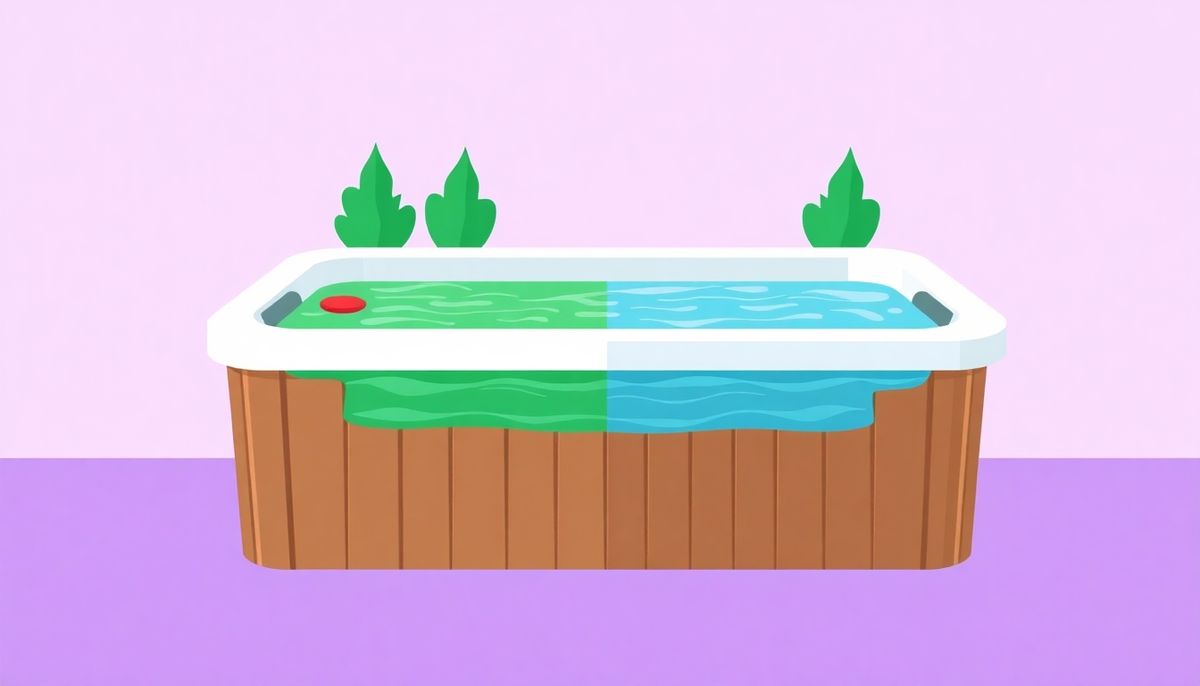
Metals, especially copper, are often the sneaky cause behind that green tint. It happens when copper in your water supply reacts with chlorine or bromine, not so different from the reaction that turned the Statue of Liberty green over time. City or well water can bring copper into your spa, especially if you fill it with an unfiltered garden hose. I learned this the hard way when I first filled my tub and got an emerald surprise a few days later.
To fight it, start with a hose filter. This simple device catches copper and other metals before they ever reach your hot tub. If metals are already in, a metal sequestrant is your best ally. It binds with the metal ions so they can't react with your sanitizer. Just pour in the recommended amount and let it work.
It also helps to test for metal levels regularly. I keep a bottle of test strips handy for exactly this reason. Stay on top of it and you can get your water clear again without draining and refilling.
If the water is clear but still green, copper is likely the cause, and no amount of shock will fix it.
Identify Algae Causes
Hot tub water doesn't turn green for no reason. Something's off, usually algae or copper. Algae thrive in warm, poorly sanitized water, so if your chlorine or bromine isn't where it should be, you've rolled out the welcome mat. A friend of mine left his tub alone for a week during a heatwave and came back to a mini swamp.
If the water is clear but still green, copper is likely the problem. It can slip in through your water source, especially with older plumbing or well water. A hose filter when you fill your tub can prevent it.
Knowing which cause you're dealing with is key. If your tub feels slimy, algae is to blame. If it's not slimy and the water looks clear, copper is the suspect. Once you know the cause, you can start bringing your hot tub back.
Balancing your chemistry is a bit like tuning an instrument. One thing out of tune throws off the result. Your first move is to test the water. I lean on test strips myself because they're fast and easy, though a liquid kit gives you more precision.
Aim for the ideal ranges. If the numbers stray, an alkalinity increaser raises both alkalinity and pH, while a pH decreaser brings high levels down.
Don't skip the manual work
Once everything's in tune, bring in the chlorine shock. Even if you usually rely on bromine, doubling or tripling the dose can be the deciding blow against stubborn algae. Grab a nylon brush and get scrubbing, since that manual work helps the chlorine do its job. Taking the filters out and keeping the cover off make the treatment work much better. With patience, your hot tub will gleam again.
Utilize Copper Filters
Copper filters play a surprising but important role in clearing up a green tint. You fill your tub with what looks like clean water, only for it to carry a hidden source of copper. That metal, often from city or well water, can turn your relaxing spot greenish when it reacts with chlorine or bromine. A hose filter stops the problem before it starts.
Whenever I fill my hot tub, I reach for a good hose filter, a habit I picked up the hard way. It attaches to your garden hose and pulls out metals and particles, and the difference in water clarity is clear right from the start. For any hot tub owner, it's a smart buy.
The filter does its work when you fill or refill, but it's still worth checking your water's metal content regularly. Use a metal sequestrant if levels spike out of nowhere. This keeps copper from building up over time and helps your spa last longer.
Shock Hot Tub Effectively
Turning green, murky water back into a clear oasis isn't luck. It takes a plan, and shocking your tub is usually the quickest fix. Start by gathering your tools: a reliable chlorine shock, test strips, and a nylon brush.
First, test the water. Dip the strip and let it tell you your pH and alkalinity, then adjust if the numbers don't line up. This sets up the chlorine to do its work.
Add the shock and wait
With your levels balanced, take the cover off and turn the jets on low with the air valves closed so the shock circulates. Now pour in your chlorine shock generously. If the algae is really hanging on, double or triple the dose. Scrub any visible algae with the nylon brush so the shock reaches even the most stubborn spots.
Then patience takes over. Leave the cover off and let the chlorine work for a full 24 hours. That waiting time clears the algae and lets leftover chlorine gas escape. By the end, your hot tub will be well on its way back to clear water.
Identify Algae or Metal Issues
Finding the root cause of green water can feel like playing detective. Algae may be the culprit, ready to turn your relaxing spot into a slimy mess in warm, unsanitized water. You might notice a slippery feel on the walls, a sign they've moved in. I always keep an eye on how clear the water is and touch the surface now and then to catch algae early.
On the other hand, if the water feels clear but still looks green, copper could be to blame. The color comes from a reaction between copper and sanitizers like chlorine or bromine. Copper can sneak in from your source water, especially if you fill with an unfiltered garden hose.
To tell the two apart, look at how the water feels and looks. Slimy walls usually point to algae, while clear green water hints at metal. For algae, balance your water and use chlorine shock. For metals, you'll need a metal sequestrant or filter to pull the impurities out.
When the water turns green, the fix almost always starts with balanced chemistry. Keeping your pH and alkalinity in harmony creates a hostile place for algae and stops the metal reactions that tint your water green.
When I first ran into green water, I learned how much those ideal ranges matter. Testing regularly with a strip is easy, and a liquid kit gives you more precision. It's like checking your hot tub's vital signs, and it saves you a lot of headaches later.
If your readings come up short or run too high, adjust them. Alkalinity increasers like baking soda raise the numbers, and a pH decreaser brings high levels down, which protects your skin, eyes, and equipment. Once these levels are balanced, a well-timed chlorine shock wipes out any remaining algae.
Weekly testing is the single habit that keeps green water from ever showing up.
Apply Chlorine Shock Treatment
A sudden splash of green can be alarming, but a chlorine shock brings your spa back fast. Once you've spotted algae as the cause, act right away. Start by making sure your pH and alkalinity are in the right ranges, because accurate testing is the foundation of an effective shock.
Once the chemistry is balanced, it's time for the shock. Even if your tub uses bromine, a hefty dose of chlorine is a must to kill algae. For stubborn green invaders, don't hesitate to double or triple the recommended amount. A chlorine-based shock, packed with an oxidizer, targets algae and clears out leftover bacteria and contaminants too.
Take the cover off to let the chlorine gas escape, and run your jets on low with the air valves closed for good circulation. Use a nylon brush to knock any algae off the walls. Leave the cover off for at least 24 hours so the chlorine can clean the water thoroughly. Your patience pays off with clear, inviting water.
Use Video as a Guide
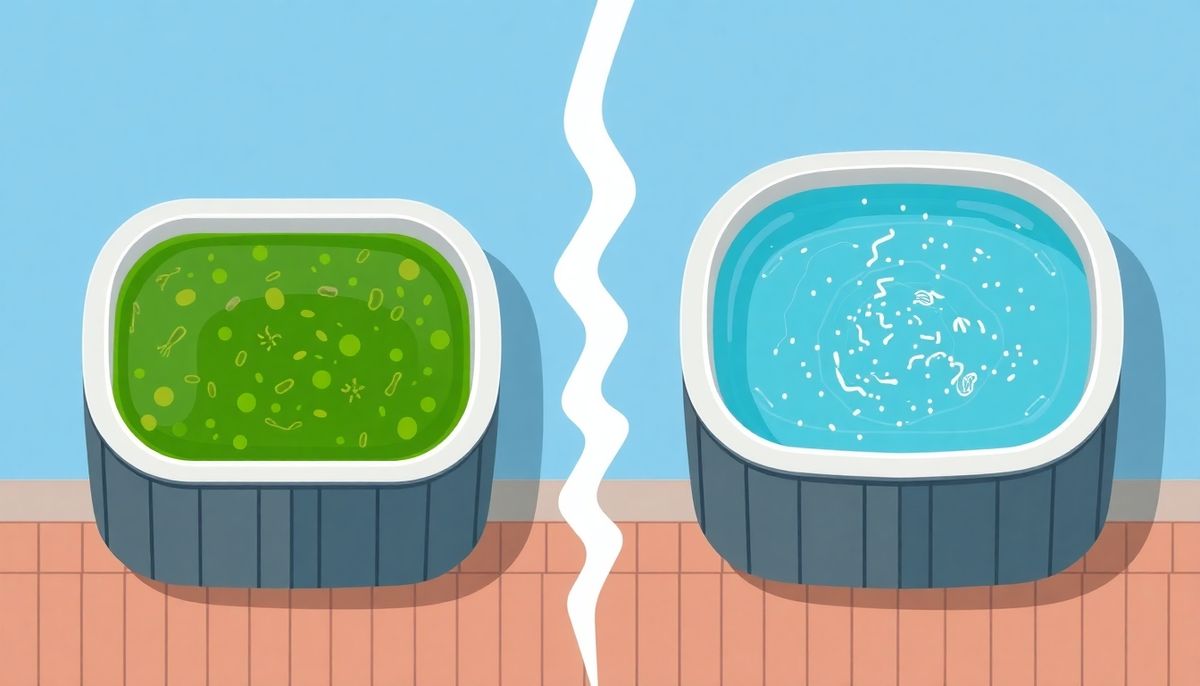
Getting to crystal-clear water isn't something you have to figure out alone. A video guide shows you each step with hands-on demonstrations, from testing your pH to applying shock the right way, with the hard parts broken into manageable pieces.
When I first ran into green water, reading directions felt like reading a map with half the landmarks missing. That's when I turned to video. Watching someone test with strips, seeing the exact amount of shock they added, and watching them pull the filters gave me the reference I needed.
These videos often share handy tips you won't find in text. I learned how important it is to keep the cover off to prevent chlorine gas buildup. Seeing real-time results and how to adjust as you go can make all the difference between success and frustration.
Address Algae and Metal Issues
There's something unsettling about lifting the lid and finding a greenish tint. The likely causes are algae and metals. Algae, those microscopic plants, thrive in warm, unsanitized water, and if you've ever felt a slimy coating on the walls, you're dealing with an invasion. Start by balancing your pH and alkalinity, since the right levels make it hard for algae to survive. Then a strong chlorine shock kills the algae and clears up the water.
But what if the walls aren't slimy and the water is clear yet still green? Chances are you've got a copper problem. It hitches a ride into your tub through your household water, and when it mixes with chlorine or bromine you get that green color. A hose filter when you fill your tub prevents it. For metals already there, a metal sequestrant binds them so you can pull them out.
Follow Step-by-Step Video Instructions
Sorting out green water might seem daunting at first, but a step-by-step video guide breaks it into manageable tasks. It's like having a friend walk you through each move, from figuring out the cause, whether it's algae or a copper reaction, to getting your chemistry just right.
Ever wished you could pause and replay the directions? A video lets you do exactly that, with visual cues and practical tips. You'll learn how to test your water, adjust pH, and add the right amount of chlorine shock, all without draining your whole hot tub.
There's real satisfaction in seeing clear water again, ready for a late-night soak or an early-morning break. The video also shows how to use a nylon brush for stubborn algae and why aeration helps chlorine work better. Solving green water saves you time and money and extends the life of your tub. So grab your test kit, some shock, and press play.
Conclusion
This article walked you through keeping your hot tub clear and healthy. Start today, and green water won't stand a chance.
Want to go deeper? Our free Pool School course covers everything you need to know about water care, from basic maintenance to advanced troubleshooting. You'll learn how to:
- Save thousands on repairs and chemicals
- Keep your water crystal clear year-round
- Prevent and solve common problems
- Master water chemistry with confidence
Join over 10,000 owners who have already transformed their water-care routine. Get started with our free Pool School course today!
What you need
Stock a water test kit, chlorine shock, an alkalinity increaser and pH decreaser, a nylon brush, and a hose filter with a metal remover for copper problems.