



On a crisp autumn evening, as the sun slips below the horizon, a warm pool is hard to resist. That cozy soak takes the right gear, and that usually means a reliable gas pool heater. In 2026, pool owners are still weighing propane against natural gas, and each has upsides.
Picking the best gas pool heater takes more than grabbing a brand off the shelf. You want the right balance of efficiency, cost, and environmental impact. Propane heaters heat fast, which makes them great for spur-of-the-moment swims or a weekend place. Natural gas heaters win on price and a steady fuel supply, especially where gas lines are already in the ground.
I've been in this spot myself. After a lot of comparing, I went with natural gas, won over by the long-term savings and how easily it tied into utilities I already had. Whether you want quick warmth or cheap upkeep, knowing these differences points you toward the right heater and stretches your swimming season.
Your Action Plan
- Check whether your property has a natural gas line or you'll need propane tanks.
- Match the heater's BTU rating to your pool size and local climate.
- Pick a model that fits (Pentair MasterTemp 125 for small pools; Raypak or Hayward for large ones).
- Hire a licensed pro to handle the gas and electrical hookups.
- Add a pool cover and keep your water chemistry balanced.
- Schedule inspections once or twice a year.
Discover Top Gas-Pool Heaters

Matching a model to your pool
The right heater comes down to your climate, pool size, and how you swim. Take the Pentair MasterTemp 125, a solid pick for a smaller or above-ground pool. It's compact, heats pools up to 15,000 gallons, and works well on a budget. The interface is easy to read with clear indicator lights, and its low NOx certification (fewer smog-forming emissions) is a nod to the environment.
Larger pools, or pools in colder spots, may do better with the Raypak Gas Heater. It runs from 206,000 to 399,000 BTU. (BTUs measure heating power, telling you how much water a unit can warm.) It handles both above-ground and inground pools, and the digital control panel makes setting the temperature simple. Raypak's corrosion-resistant build also lasts, which cuts maintenance hassles.
If you're leaning toward propane, the Hayward Universal H-Series is worth a look. It's powerful, with options up to 400,000 BTU, and it meets low NOx standards. The natural gas versus propane call usually comes down to what's available and what it costs, so whichever you pick, make sure it fits your pool and how you'll use it.
Choose the Right Fuel-Type
The fuel you pick shapes both your swimming and your wallet. When I chose propane just because it was easy to get, the running costs climbed higher than I'd expected. Propane comes in tanks, which gives you flexibility in places without gas lines, and it packs more heating punch per gallon. But it's usually pricier than natural gas to run.
Natural gas heaters are a real gift if you have gas lines. They're cheaper to run, and you never have to think about refilling a tank. Installation takes more work if you have to lay new lines, but once it's set up, the heater warms your pool fast with no worry about running out of fuel.
If your property already has a natural gas line, natural gas will almost always cost you less to run than propane.
Sizing it to how you swim
A smaller above-ground pool might be fine with propane if fuel costs stay reasonable, while a larger in-ground pool benefits from natural gas's steady supply and lower cost. Your call comes down to availability, cost, and how you actually use the pool.
Simplify Installation Process
Installing a gas pool heater can seem like a big job, but a little planning makes it simpler. First, figure out whether your pool suits natural gas or propane. Natural gas heaters usually need an existing gas line, so you may face extra groundwork without one. Propane heaters use tanks you can place where it's handy, though they cost more to run.
Why a pro is worth it
The whole thing goes smoother when you bring in a professional installer. They tie your heater into your existing plumbing and electrical systems, best left to experts given how tricky it gets. That keeps things safe and gets the most out of the heater. When I put in mine, hiring an expert cut way down on the hassle and left me sure everything was set up for good efficiency and a long life.
Don't overlook the little things either, like picking a spot that leaves room for maintenance and shields the unit from the weather.
Maximize Heating Efficiency
Using energy wisely keeps your bills down while your backyard stays ready for a swim. Picking the right heater is only the start. Turning that into real savings takes good maintenance and smart use.
Placement and covers
Start with where you put the heater. Setting it close to the pool cuts heat loss on the way over, so you get more warmth without burning more fuel. Next, a pool cover is your best friend. It might look like a simple sheet, but it slows heat evaporation, especially overnight or on cool days. By holding the warmth in, your heater doesn't have to work as hard.
Upkeep and timing
Regular maintenance is a must. A well-kept heater runs smoother and burns less fuel, much like a tuned-up car. If you swim year-round, book professional inspections twice a year so everything from the gas lines to the electronics stays in good shape. Watch the weather too, and adjust as the seasons shift. In warmer months, turning the heat down a bit saves a surprising amount of energy.
Natural gas and propane each have strong points, and the choice mostly comes down to availability and cost. Natural gas often leads thanks to its lower price. It runs through existing lines, so you get a steady supply without the bother of refills, assuming your property already has those lines. Not every neighborhood does.
Propane gives you flexibility where lines aren't an option. Its portable tanks mean you can put a heater almost anywhere, and it delivers more heat per gallon, though it usually costs more over time. For some folks the independence is worth the extra money. When I installed my heater, natural gas was the clear pick, tapping straight into our home's supply so I never had to babysit fuel levels. A friend went with propane instead, because there were no natural gas lines in her area.
Assess Pool Size and Climate
Choosing the right gas heater depends on your pool's size and climate. A small backyard pool needs a very different approach than a big one. In colder places, where chilly winds bite at the surface, a high-capacity heater is a must. Somewhere mild, a smaller heater might be plenty, saving energy and keeping costs down.
A friend down in the sunny South put in a hefty heater only to find it was overkill, since most days the sun did half the work. Another friend up North had the opposite problem: an underpowered unit that left them shivering on brisk mornings. Match your heater to your local conditions.
Think about how often you swim, too. Stretching your season past summer might call for a stronger system, especially if you're aiming for a New Year's splash. Matching the BTU rating to your pool size and use keeps every swim warm.
Evaluate Installation Requirements
Sorting through gas pool heaters takes more than grabbing the most powerful model. Start by looking hard at what your installation calls for. If you're set on natural gas, existing gas lines matter a lot. Without them, you could face big extra costs to put them in. Propane is another option, though it needs regular tank refills and costs more to run.
Give it room to breathe
Space matters too. Pool heaters, whether they sit next to the pool or in a shed, need plenty of room around them for good operation and safety. That space also has to fit the connections to your pool's pump and filter, plus a power source. The heater's footprint can decide where and how it goes in, which may save or add to your groundwork costs.
As much as I admire the DIY spirit, gas heaters need professional installation. Their mix of gas and electrical hookups makes them tricky. A certified installer keeps things safe and up to code, and can save you trouble later.
Compare Fuel Efficiency and Cost
Weighing fuel efficiency against cost means finding the sweet spot between what you pay upfront and what you save over time. Natural gas heaters tend to be cheaper, especially if you already have a gas line. The initial setup might sound like a lot, and your property may need some work, but the running costs are usually lower. That means more money stays in your pocket over time, especially if you swim often.
Propane heaters are the go-to when natural gas isn't available. They put out more heat per gallon, so they may warm your pool faster, but at a higher price. Propane prices also bounce around, which can send your bill up in colder months or a longer swim season.
When deciding, look at both the immediate fuel costs and the long-term hit to your budget. A larger pool needs more BTUs, which can tip things toward the more fuel-efficient option. Knowing your local energy prices and how you use the pool steers you to the right choice.
Simplify Pool-Heating Decisions
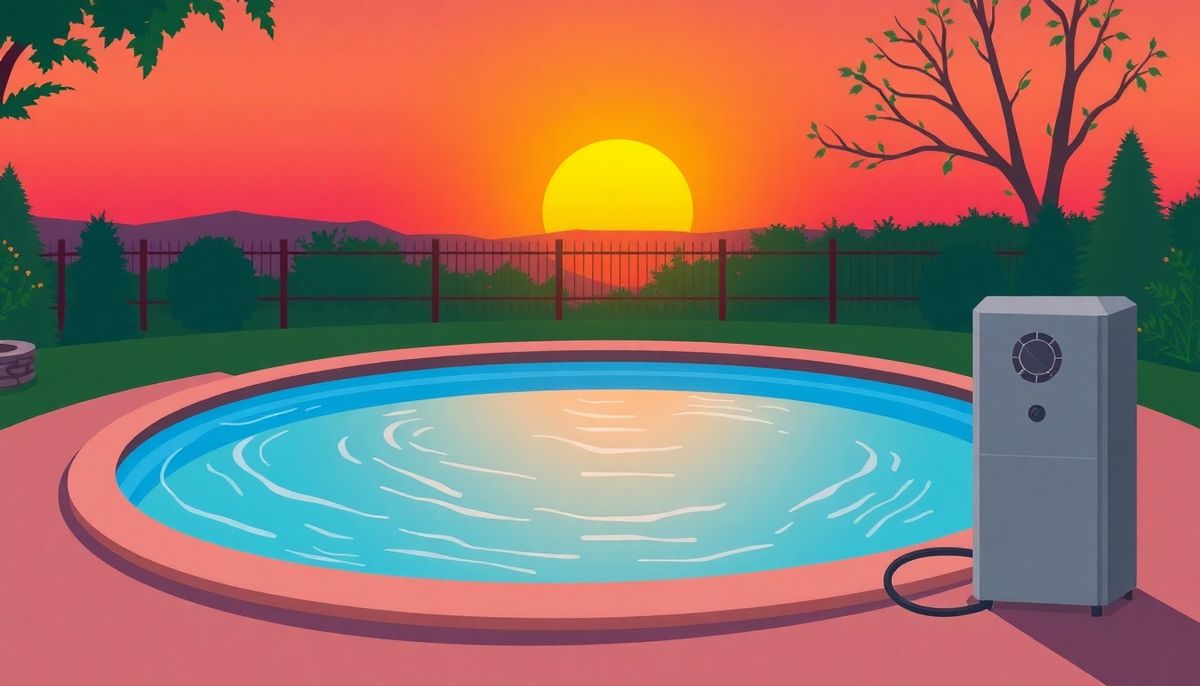
Start by sizing up your pool's needs. For smaller setups or above-ground pools, the Pentair MasterTemp 125 stands out with its compact build and efficiency. It's easy on the budget and delivers warmth without hogging power, great for pools up to 15,000 gallons.
Next, think about your gas options. Natural gas heaters, like the Raypak model, are the way to go if you already have a gas line, giving steady performance and a cheap choice where prices are low. If running a line isn't practical, propane heaters may be your best bet.
Ease of install and use matters too. Gas heaters need professional installation because of their electrical and gas connections. Once they're in, look for features like digital controls or automatic ignition that make managing the temperature simple. Know your priorities and limits, and you can pick a heater that keeps your season going while respecting your budget.
Select the Right Fuel-Type
Say you live in a suburb where natural gas lines run right through the neighborhood. There, a natural gas heater is a real money-saver, giving steady energy without bulky storage tanks. It's usually cheaper per month, and you never deal with refilling a tank mid-swim season.
Out in rural areas, folks often lean toward propane, especially where natural gas lines are hard to find. Propane can cost more, but its higher heat per gallon is key if you want to swim into the cooler months. It also suits people who value portability or don't want a tank cramping their yard's look.
Your choice hangs on a balance of local utility lines, personal priorities, and long-term budget. Whether you care most about upfront savings or running efficiency, knowing these details helps you shape your pool heating to fit.
Evaluate Heater Installation Requirements
Choosing the right gas heater isn't about grabbing the most powerful model. Each part has to line up. First, look at your pool's size and local climate. A big high-BTU heater might sound appealing, but for a small pool in a mild area, it's like using a sledgehammer to crack a nut.
On fuel, weigh natural gas against propane. Natural gas needs a connection to a gas line, easy if you already have one but pricey if you don't. Propane means regular refills and finding room for storage. Natural gas may save money over the long haul, but propane can be quicker to set up where the lines aren't there.
Put your heater near the pump and filter, with room to service it and shelter from the weather.
The physical install is another key detail. You'll need enough room near your pump and filter, and the unit has to be sheltered from the weather. A professional makes sure all the connections, gas and electrical, are up to code.
Maximize Energy Efficiency
To keep your energy bills in check while you enjoy a warm swim, a few smart moves make a big difference. Choosing a heater with energy-saving features is a great start. Newer models like the Raypak and Hayward heaters come with fuel-saving technology. Look for low NOx emissions, which keep the air cleaner and often mean better efficiency too.
Cover it and keep it tuned
Beyond the heater itself, think about what's around your pool. A solar cover when the pool isn't in use can cut heat loss a lot, so your heater doesn't work overtime. In my own backyard, a good cover trimmed my heating costs by nearly 20% during the cooler months.
A pool cover is the cheapest upgrade you can make, and it can cut your heating costs by nearly 20%.
Regular maintenance matters for efficiency too. Keep your water chemistry balanced, since off-balance water causes scaling that drops efficiency. A friend once told me how ignoring this drove up his gas use, an easy problem to avoid with routine checks. Running your heater during off-peak hours also helps you dodge higher peak-energy costs.
Maximize Pool Season with Gas

As the days get longer and the sun climbs high, there's nothing like a dip in a well-heated pool. Whether you go with natural gas or propane, each has clear upsides that fit different needs.
Natural gas heaters are ideal if you have access to existing gas lines. They're steadier and cheaper over the long run, since natural gas usually costs far less than propane. If your property already has a line, installation is easy and running costs drop. Propane is your pick when flexibility matters. For homes without a gas line, a propane heater is an independent workhorse.
Beyond the fuel, think about how well the heater works with above-ground and inground pools. Compact options like the Pentair MasterTemp 125 are great for smaller pools, giving you efficiency and affordability without giving up performance. Larger pools do better with sturdier models like the Raypak or Hayward series, which handle big volumes of water with ease.
Choose the Right Gas Heater
Every pool is different, so you need an approach that weighs several factors. Start with your pool's size and climate. In a cooler region, a powerful heater is a must to stretch your swim season. In warmer areas, smaller pools can get by with less muscular models.
Because you're choosing between fuels, remember natural gas is often cheaper over the long run thanks to lower fuel costs. But if your property has no gas lines, a propane heater might be your best bet, even though it runs pricier.
Don't overlook how easy the heater is to install and whether it suits your pool type. The Pentair MasterTemp 125 is great for above-ground pools, while the Raypak works for both. And don't cut corners on quality. Pick a heater from a trusted brand with a solid warranty to protect your investment.
Optimize Installation and Setup
When you pick a heater, think about what each fuel needs. Natural gas heaters require an existing line, a plus if your property already has one. If a line isn't doable, propane is a flexible alternative, though it usually means bulkier, refillable tanks.
Because these heaters are tricky to install, hiring a pro is often the smart move. A skilled technician ties the gas and electrical connections neatly into your existing setup, cutting the risk of leaks or other hazards. It costs more upfront, but it saves money and trouble later through better efficiency and safety.
Placement and upkeep
Once it's in, set the heater where it gets enough airflow and where you can reach it for maintenance. A spot near your pump and filter is ideal, but sheltered enough to protect against rough weather. Then commit to periodic inspections so it keeps running efficiently and safely.
Compare Natural and Propane Gas
Natural gas travels through set pipelines for a steady supply. If your property already has those lines, your running costs stay low, and you could save thousands a year compared to propane. But if the pipelines are nowhere to be found, installing them gets expensive.
Propane shows up in big, sturdy tanks. It's a good choice if you're already set up for it. It generally costs more to run, but its higher heat per gallon means more warmth from less fuel, a comforting thought during those cool late-season swims. From my own time living in a propane-heavy area, keeping my pool warm even on chilly mornings was a luxury I couldn't pass up.
If you already have natural gas lines, the decision is easy. But if propane tanks are within reach, their efficiency and power make a strong case.
Install and Maintain Efficiently
First, look at how your current pool equipment is laid out. Gas heaters usually connect to both gas and electrical systems, so place the heater where it can tie neatly into your pool's water circulation. Given how involved the gas lines and safety steps can be, most people find it worth calling in a pro.
Keep it running for years
Once your heater is up and running, steady maintenance keeps it working. Just as you wouldn't skip an oil change, regular checks matter. Book professional inspections at least once a year, or twice if you use your pool year-round. These catch wear-and-tear issues before they grow.
There's plenty you can do yourself, too. Keep your pool chemistry balanced, since high acidity eats away at heater parts over time. A good pool cover cuts heat loss so your heater doesn't strain to hold temperature. And don't forget winterizing. Draining and storing parts properly in the cold months heads off costly damage.
Choose the Right Heater
First, think about your pool's size and where it sits. My friend recently put a heater on his modest above-ground pool in sunny California. The Pentair MasterTemp 125 was perfect, compact yet strong enough to handle his 15,000-gallon pool without draining his wallet.
The type of gas you can get matters a lot. If your property already has a natural gas line, a heater like the Raypak could be ideal, giving you a constant fuel supply so you skip propane tank deliveries. If lines aren't available, propane heaters step in. They cost more to run, but models like the Hayward Universal H-Series pack high energy output, meaning more heat per gallon.
Weigh how easy the heater is to install and whether it fits your pool type. Professional installation is usually recommended because of the complex gas and electrical connections. And don't overlook the warranty. A strong warranty from a trusted brand protects your investment.
Ensure Proper Installation
Installing a gas pool heater properly is key to good performance and a long life. When I first set up my pool, I underestimated how much getting it right mattered, and one small oversight left me with a whole summer of lukewarm dips. Hand the install to a pro, especially since gas heaters need both gas and electrical connections. This isn't the best DIY weekend project unless you know your way around both plumbing and electrical work.
Gas heaters mix gas and electrical connections, so leave the install to a licensed pro who can bring it up to code.
A licensed installer covers every safety step and confirms the heater is properly hooked to the gas line or propane tank and the electrical system. That heads off hazards and glitches, and they can place the heater near the pump and filter without wasting space.
Don't forget permits and local building codes. In some areas, skipping the right approvals means fines or costly fixes down the road. A pro helps you handle those rules without a hitch.
Conclusion
Now that you've got your heater sorted, let's make sure the rest of your pool stays in top shape. Our free Pool School course covers everything you need to know about pool care, from basic maintenance to advanced troubleshooting. You'll learn how to:
- Save thousands on pool repairs and chemicals
- Keep your water crystal clear year-round
- Prevent and solve common pool problems
- Master water chemistry with confidence
Join over 10,000 pool owners who have already transformed their pool care routine. Get started with our free Pool School course today!
What you need
Start with the right heater for your fuel setup, then add a solid pool cover, a water test kit, and balancing chemicals to keep it running efficiently.