


A pool is a real treat on a hot day, but keeping it safe and clear takes steady work. Pool shock is a big part of that. It sanitizes the water and resets your pool's chemistry so it stays clear. Whether you've owned a pool for years or you're brand new to all this, picking the right shock can feel confusing.
Shock is the powder or liquid that goes after the bacteria, algae, and organic gunk you can't see. But not every shock is the same. You've got choices from calcium hypochlorite to sodium dichlor, and each has its own strengths and trade-offs. Some work fast, others take a gentler approach. What's right for you depends on your pool's size, how often you swim, and even your local weather. Once you understand the options, keeping your water clear stops being a guessing game.
Your Action Plan
- Test your water to see where pH, chlorine, and stabilizer stand.
- Match the shock to the job: cal-hypo for algae, dichlor for routine care, non-chlorine for a quick swim.
- Add shock in the evening so sunlight doesn't burn it off.
- Apply it safely: dissolve powder first, and wear gloves and eye protection.
- Retest the next morning and adjust pH back to 7.4 to 7.6.
Choose the Right Pool Shock
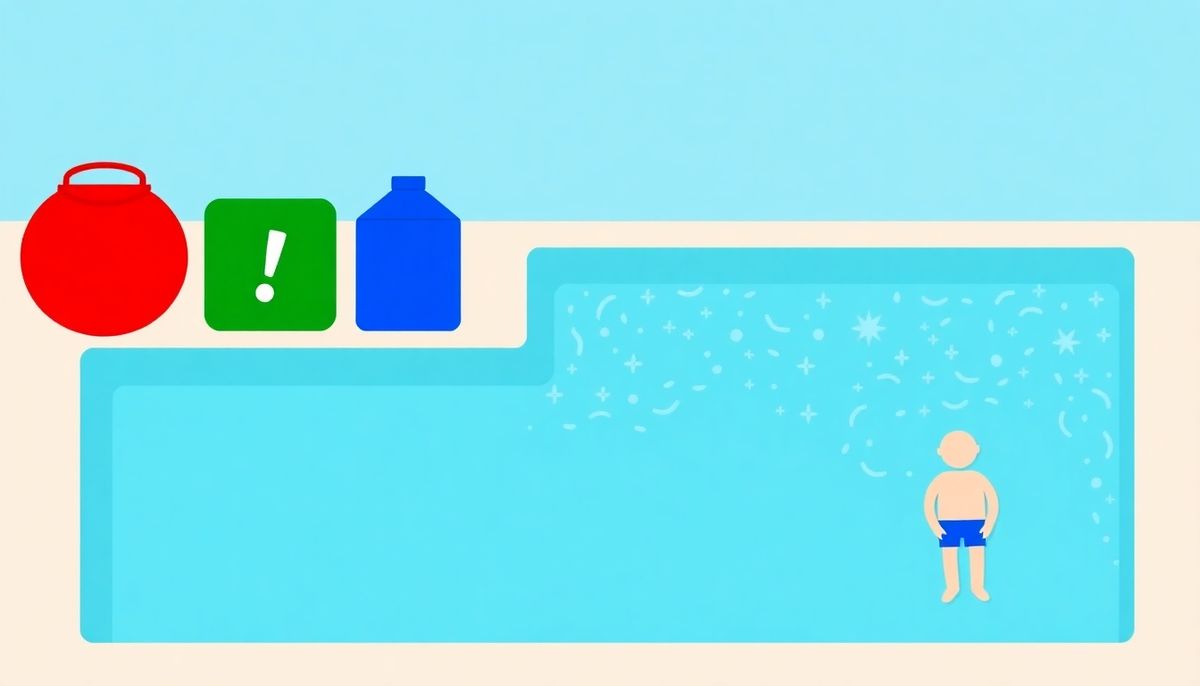
Match the shock to your pool
Every pool has its own routine: how clear the water usually is, how much it gets used, and the occasional surprise algae bloom. The goal is to match the shock to that routine.
Calcium hypochlorite, or cal-hypo, is your best bet for stubborn algae or cloudy water. Its high chlorine content is tough on contaminants, so add it in the evening so the sun's UV rays don't break it down. Cal-hypo also raises calcium, which isn't great if you already have hard water.
If you run a calm saltwater pool, use a lighter touch. Dichlor shock uses stabilized chlorine, so it holds up in sunlight and is a solid pick for routine care. And if you like jumping back in soon after treating, non-chlorine shock lets you swim again quickly while keeping the chemistry steady.
Match the shock's strength to what your pool actually needs, and pool care stops feeling like a chore.
Select the Best Shock Type
The three shocks, side by side
If you've ever woken up to a green pool after a rainstorm, cal-hypo is what rescues it. It's strong, clearing algae and cloudy water fast, but it can raise pH and leave calcium behind, so check your water afterward.
Prefer a gentler route, or want to swim soon? Non-chlorine shock, made from potassium monopersulfate, is great for upkeep because it doesn't throw off your other levels. Saltwater owners like it since it oxidizes contaminants without adding chlorine. One warning: it won't clear algae on its own, so pair it with your chlorination system.
Dichlor sits between power and convenience. It's stabilized, so it doesn't burn off fast in the sun, which makes it handy for routine care. It does raise cyanuric acid (CYA), and too much CYA acts like a heavy sunscreen for your pool, eventually stopping the chlorine from doing its job.
Understand Chlorine Impact
Why your pool smells like chlorine
Chlorine is the main worker in most shocks. It keeps algae and bacteria in check, but its byproducts cause headaches. When chlorine mixes with sweat or body oils, it forms chloramines, the compounds behind that strong "pool smell." They sting your eyes and irritate skin, and they're a sure sign your pool needs a shock.
A lot of people think a heavy chlorine smell means the water is extra clean. It's the opposite. That strong odor usually means chloramines are building up and a shock treatment is overdue. Test and balance your water regularly, especially after heavy use or a storm. If the pool turns cloudy or swampy, that's a chemical warning, not just an eyesore.
Optimize Shock Timing
Shock after dark
Timing matters as much as the chemical you choose. Late evening or nighttime is usually best, because sunlight breaks down chlorine fast and cuts its cleaning power. Wait until dusk and the chlorine stays in the water longer, doing a better job on the stuff you want gone. Shock at sunset and you'll often wake up to spotless water with none of the usual morning cloudiness.
Your pool's use matters too. After a party or a busy weekend, shock right after the last swimmer climbs out to clear the organic matter they leave behind. It also helps to shock after a heavy rainstorm, since rain drags in debris and throws off your balance.
Add shock at dusk, because sunlight burns off chlorine and wastes half your treatment.
Prevent Algae with Effective Shocking

Winning the fight against algae
Algae aren't just ugly. They clog filters, get slippery underfoot, and can harbor bacteria. A sparkling pool can turn green overnight, and suddenly nobody wants to get in.
For a serious bloom, reach for cal-hypo. Its high chlorine content and strong oxidizing power clear cloudy water and stubborn algae, but handle it right. Always shock in the evening so sunlight doesn't weaken it. If you have a saltwater pool, lean on dichlor or non-chlorine shock for routine care so your chlorine doesn't spike and upset the balance. Beating algae isn't only about the shock. It's about knowing what your pool needs.
Cal-hypo stands out for stubborn algae and murky water, your best ally when the pool looks like a pond after heavy rain or a crowd of guests. Just handle it carefully to avoid scaling and rising pH, and skip it in saltwater pools.
For routine upkeep and smaller problems, dichlor is a gentler, stabilized option that keeps your chlorine steady without the sun burning it off. Non-chlorine shock dissolves fast and is perfect for spur-of-the-moment swims, though it won't fight algae as well as chlorine-based shocks. Picking the right one is about matching the chemistry to your pool's situation.
Optimize Shock Timing and Application
Applying shock the right way
A well-timed shock is the difference between clear water and a murky mess. Think about your pool's weekly routine: when does it get the most use, and how often does it face contaminants? For most people, a late evening shock works best, since unstabilized chlorine like cal-hypo breaks down fast in sunlight.
How you apply it matters just as much. Always read the directions. Some shocks need to be dissolved first, others can go straight in. Wear gloves and eye protection; that's not optional. For powder, add it slowly to a bucket of water and stir until it dissolves before pouring it in. For liquid, walk the edge of the pool and pour slowly and evenly so it spreads out.
Balance Pool Chemistry Post-Shock
Get your chemistry back to normal
Once the chlorine has done its work, the job isn't quite finished. Chlorine can spike and pH can drift. Your pH should sit between 7.4 and 7.6; when it wanders, swimmers end up with irritated skin and eyes.
A good test kit is your best tool here. It tells you whether the pH has drifted or the chlorine is still too high for a safe swim. Baking soda helps nudge things back into range. Keep an eye on alkalinity and calcium hardness too, since they keep the water stable, calcium hardness especially if you used cal-hypo, which adds calcium of its own. Every pool is different, so small, patient adjustments beat guesswork.
Balance pH After Shocking
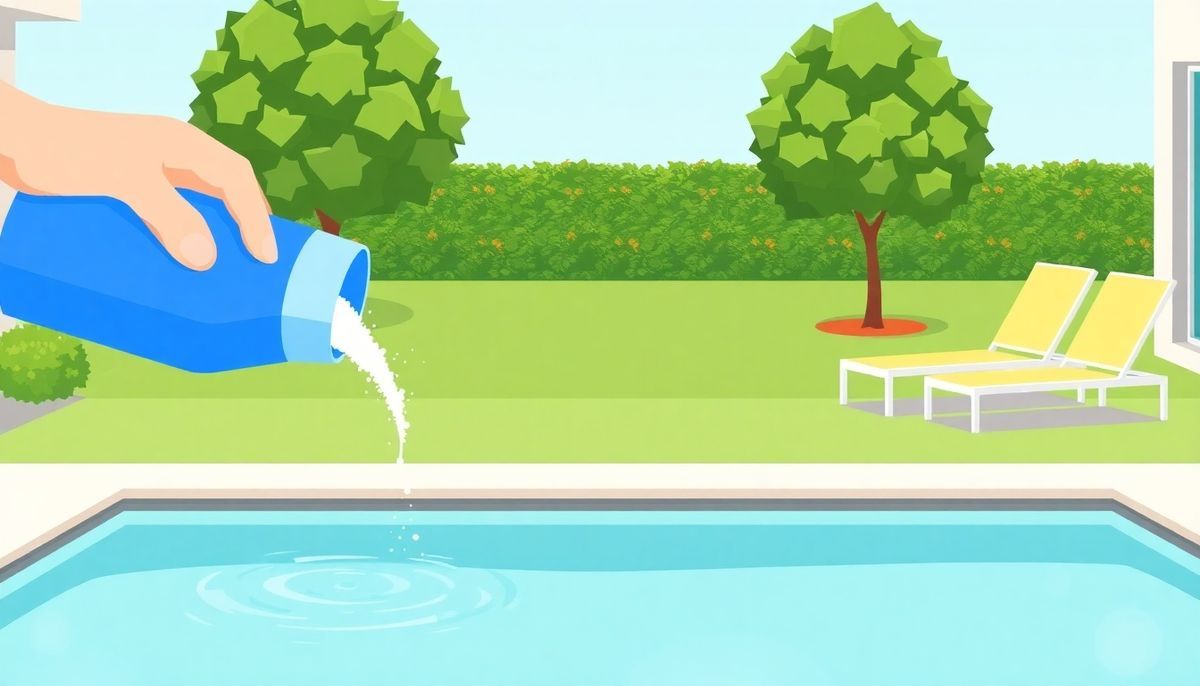
After a shock, your water's chemistry shifts. The pool might look clean while an unbalanced pH hides under the surface. Aim for 7.4 to 7.6. Stray from that range and a refreshing swim turns into stinging eyes or irritated skin.
Cal-hypo, with its strong chlorination, tends to raise pH and make water more alkaline. If your pH is high, bring it back with a pH decreaser, which also prevents scaling on your walls and equipment. If it drops too low, use a pH increaser so the water doesn't turn acidic. Test right after shocking with strips or a digital tester so you can make precise adjustments.
A pool held between 7.4 and 7.6 pH keeps chlorine working and keeps swimmers comfortable.
Select the Right Pool Shock
Cal-hypo is a powerhouse for stubborn algae and murky water, the go-to for a serious bloom, but it affects pH and can cause scaling. Dichlor, with its stabilized chlorine, is friendlier for regular care under strong sun; just remember it raises CYA, so it's best for pools that aren't already high. And if you want to swim soon, non-chlorine shock won't upset your chemistry and works well for saltwater systems and hot tubs. The right pick always comes down to your pool's particular needs.
Check pH Levels Post-Shock
Once you add shock, whether it's cal-hypo or dichlor, the chemistry shakes up right away, and your pH can get knocked off course, leaving swimmers uncomfortable and wearing down your equipment.
A reliable test kit is a must. Test the morning after shocking, once the chemicals have had all night to spread out, then add pH increaser or decreaser as needed. It's easy to underestimate a cal-hypo dose and end up around 8.2; a bit of pH decreaser brings it back into the safe range. Balanced pH isn't just about comfort. It helps your equipment last.
Adjust pH to Optimal Range
Every shock affects pH differently, so keep a pH increaser and decreaser on hand. High pH brings itchy eyes and irritated skin; low pH does the same through acidic water. After a busy pool party, it's common to find everyone with red eyes the next day and a pH test way off. A little baking soda and pH decreaser usually fixes it. Make testing a habit, like checking the weather before you head out, and your pool surfaces and equipment will last longer too.
Opt for Non-Chlorine Shock

Non-chlorine shock, explained
Step away from chlorine for a minute. Non-chlorine shock is a lesser-known but effective option when you want to keep your chemistry balanced and cut down on the time you can't swim. It's made mostly of potassium monopersulfate and works as a strong oxidizer, going after chloramines and organic gunk without changing your pH or raising CYA.
The big plus is speed. About 20 minutes after adding it, you can get back in without the irritation chlorine can bring, which is great for last-minute pool parties or camps where waiting hours isn't an option. It won't clear a stubborn algae bloom, though; for that you need a chlorine-based shock. But for routine care, sensitive skin, saltwater systems, and hot tubs, its gentle nature is a real advantage.
Non-chlorine shock lets you swim again in about 20 minutes, but it won't beat a real algae bloom.
Explore Non-Chlorine Shock Benefits
Non-chlorine shock often gets overlooked, but it's a relief if you're tired of constantly juggling pH. The potassium monopersulfate breaks down organic contaminants without touching your chlorine levels, which matters most for saltwater pools and spas. Say a gust of wind blows leaves into the pool before guests arrive. A quick dose clears the water fast without the usual wait. It won't take on algae by itself, but paired with a chlorination system it's a reliable partner for routine care.
Choose the Right Shock Type
Cal-hypo is the strongest of the three. It's ideal when your pool is fighting persistent algae or needs a deep clean, thanks to its high chlorine content. Watch that it raises calcium and can cause scaling, and keep it out of saltwater setups.
If you shock often or run a saltwater pool, dichlor may suit you better. As a stabilized chlorine, it holds up in sunlight, though it raises CYA over time. And for a gentle option when you plan to swim soon, non-chlorine shock lets swimmers back in within a short window, ideal for last-minute get-togethers, but it doesn't have the muscle to beat serious algae.
Maintain Pool pH Balance
Balanced pH quietly keeps your pool safe and comfortable. Shocking clears out contaminants, but it can disrupt pH, so test every time. A range of 7.4 to 7.6 keeps skin and eyes from getting irritated and lets your chlorine work the way it should. If it's too high, the water feels slippery and stings your eyes; too low, and your skin pays the price. A simple pH test kit is a small buy that saves plenty of headaches, and pH increasers or reducers make quick work of any adjustment.
Use Cal-Hypo for Tough Stains

Cal-hypo for tough stains
Stubborn stains, from organic debris or an algae bloom, can ruin the look of your backyard. Cal-hypo is the heavy-duty fix for the stuff regular care won't budge. Come home to a pool turning green and this is where it shines: its strong formula wipes out algae and brings back that sparkle.
The granules are easy to use. Follow the directions and either broadcast them into the pool or pre-dissolve them, depending on the brand. With 65% to 75% chlorine, cal-hypo cleans hard, but the calcium it adds can cause scaling, so watch your pH afterward. Use it at night, since it's unstabilized and breaks down in sunlight, and by morning your pool should look clear and blue again. Skip it in saltwater systems, where scaling is more of a risk.
Ensure Proper Pool Maintenance
Real maintenance goes beyond skimming leaves. It's a mix of chemistry and routine, and you can't just toss in any shock and expect blue water. Each type has a role: cal-hypo for pesky algae, dichlor for a steady chlorine fix, and non-chlorine for a quick post-party cleanup.
Switching your shock to fit the situation matters. Forget to change it after a heavy rainstorm and you can end up with a cloudy mess that takes days to clear. Check your pH and other levels often so you catch problems early. The real trick is holding the right balance, so everyone can jump in without a second thought.
Select the Right Shock Type
One more pass at the choices. Cal-hypo is your pick for stubborn algae or cloudy water that won't clear, strong but best kept away from saltwater pools to avoid calcium buildup and scaling. For a saltwater pool or gentle upkeep, dichlor's stabilized chlorine holds up under harsh sun; go easy if your CYA is already climbing. And for a last-minute party, non-chlorine shock gets you back in the water almost right away, though it's not the one for green water. Match each to your pool's situation and your water stays clear all season.
Conclusion
Now that you know your options, keeping your pool crystal clear doesn't have to be a guessing game. Match the shock to the job, add it after dark, and retest the next morning. That's the whole routine.
Want to become a pool maintenance expert? Our free Pool School course covers everything you need to know about pool care. From basic maintenance to advanced troubleshooting, you'll learn how to:
- Save thousands on pool repairs and chemicals
- Keep your water crystal clear year-round
- Prevent and solve common pool problems
- Master water chemistry with confidence
Join over 10,000 pool owners who have already transformed their pool care routine. Get started with our free Pool School course today!
What you need
Stock a bottle of shock for your pool type (cal-hypo for algae, dichlor for routine care, or non-chlorine for quick swims), plus a good test kit and pH increaser and decreaser to rebalance afterward.