



When you picture owning a hot tub, you probably imagine quiet evenings under the stars or slow afternoons letting the jets loosen up your shoulders. The dream comes with a practical question, though: what does it cost to run? Before you buy, it helps to understand the money side beyond the sticker price.
I didn't decide to put in a hot tub lightly. Energy bills, upkeep, and water treatment all became part of the math fast. One owner I know saw her electricity bill climb by about $30 to $50 a month, which is a normal range depending on how often you soak and what your utility charges. Regular water changes and cleaning products add to the total too.
Your climate matters as well. In colder places, holding a steady water temperature takes more energy, which pushes bills higher, so a cover that holds heat well is money well spent. Once you understand these pieces, you can manage and often lower the ongoing costs, so your hot tub stays a pleasure instead of a drain on your budget.
Your Action Plan
- Heat during off-peak hours using a timer or smart thermostat.
- Fit a snug, quality cover and slip a thermal blanket underneath.
- Add foam insulation to the cabinet and beneath the tub.
- Set up a windbreak with shrubs or a screen.
- Test and balance your water weekly and clean the filter regularly.
- Drop the temperature a degree or two when the tub sits idle.
Save on Hot Tub Costs
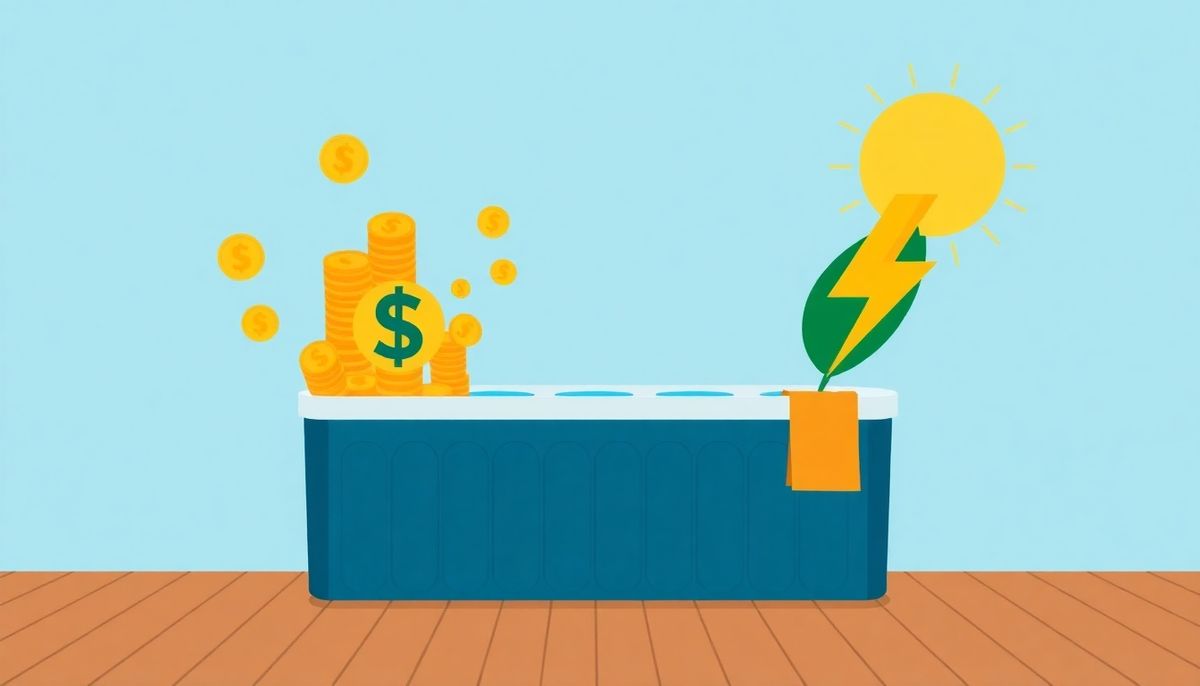
Time your heating and cover the tub
A hot tub shouldn't turn into a money worry. Start with timing. Electricity often costs less during off-peak hours, usually late at night or early morning, so heating then can save you a good bit. If your tub has a circuit timer, set it to catch those cheaper rates.
Don't underestimate a good cover. It cuts heat loss and evaporation, and a one-time spend pays for itself in lower heating and refill costs. For extra insulation, tuck a thermal blanket under the cover in winter. It traps heat, and outdoors it can even soak up some free solar warmth.
A well-fitted cover is the single cheapest way to cut a hot tub's running costs.
Block the wind and keep up with upkeep
If your spa sits outside, a windbreak of shrubs or screens keeps breezes from cooling the water and speeding evaporation, so the heater runs less. Regular maintenance helps too: clean filters and parts run better and last longer, which heads off pricey repairs. Close the air jets when you're not soaking to hold heat, and drop the temperature a degree or two when the tub's idle. You'll save without giving up comfort.
Optimize Heating Schedule
Heat during off-peak hours
Finding the sweet spot between relaxation and savings starts with when you heat the water. Many utilities charge less overnight or early in the morning, so heating then can shave a real amount off your bill. Set a smart thermostat or timer to run during those windows and let it handle the savings. Even without fancy gear, you can turn the thermostat down by hand when the tub's idle.
A thermal blanket under a snug cover holds heat and takes pressure off the heater, so it cycles less often. Small changes like these add up to real savings over time.
Utilize Effective Insulation
Insulation does the quiet work
Good insulation is what keeps your utility bills in line. Look past the cover to the structure itself: high-quality foam inside the cabinet stops heat from slipping away, so the heater doesn't have to run so hard. If your hot tub is older, an insulation upgrade is worth a look. Many energy-efficient models now come with full-foam insulation that cuts heat loss by a lot.
Add a floating thermal blanket for another layer. It lies right on the water's surface and holds the warmth even on the coldest nights, so you can soak without a scary energy bill.
Maintain Cleanliness Regularly
Weekly and seasonal cleaning
Regular maintenance keeps your hot tub inviting and saves money down the road. Skip it and you'll pay for it: let the routine slide and the water goes cloudy, the filter struggles, and repair bills stack up.
Test and balance your water's pH and sanitizer every week. It's a small job that prevents larger problems. Clean the filter regularly with a garden hose, and give it a deeper clean with a proper filter cleaner now and then. Wipe the cover down with mild soap and water so it keeps debris out and takes strain off the filters.
Maximize Energy Efficiency
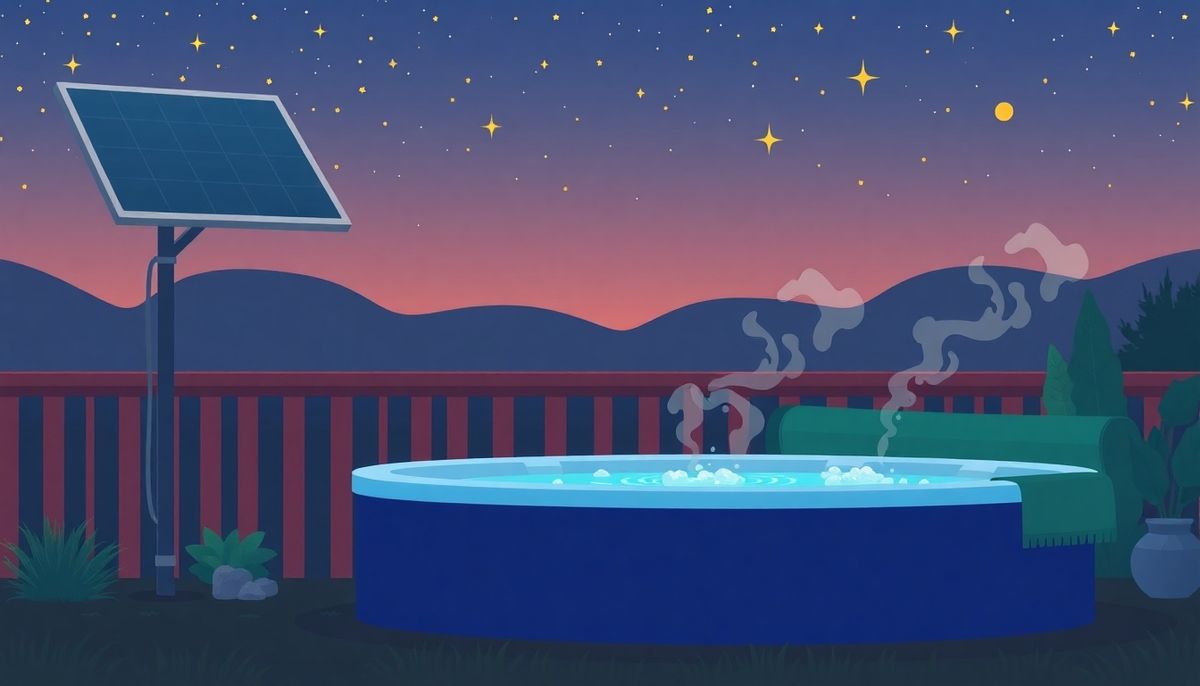
Cover, schedule, and windbreak
A hot tub doesn't have to bring a huge electric bill. Start with a good cover, since it slows evaporation and works as insulation, keeping heat where it belongs. Adjusting your heating schedule to off-peak hours helps too. And don't forget the wind: a breeze cools the water fast and forces the heater to work harder, so a few shrubs or a windbreak keep the elements at bay while adding a little privacy.
Balancing relaxation and cost is the heart of owning a hot tub. Lean on off-peak rates by programming the tub to heat at night or early morning. Think about how often you actually soak, too. If you only use it on weekends, there's no reason to keep it piping hot all week. Turn the thermostat down when it's idle and raise it a few hours before you plan to get in. Many owners plan their weekly sessions and keep a lower, steady temperature the rest of the time, which keeps costs manageable. Layer a thermal blanket under the cover to cut heat loss even more.
Use Effective Hot Tub Covers
A cover is your first line of defense
A quality cover traps warmth and stops heat from escaping into the cold night air, cutting your heating costs by a lot. It also slows evaporation, so you're not always topping off the tub or adding chemicals. Check it every few months. If it's sagging or tearing, replace it. A worn cover works against you, letting heat leak out and running up your bill.
Manage Wind and Water Loss
Manage wind and water loss
Notice how fast the water level drops when your spa sits uncovered on a breezy day? That's not just annoying, it's expensive. Wind speeds up evaporation and makes the heater work overtime, so a windbreak, a stylish screen or a row of hardy plants, cuts lost heat and adds privacy.
Water loss from splashing adds up too, so keep soaks calm rather than rowdy. If the level keeps dropping, check for leaks. Even a small, steady drip becomes a real drain over time.
Keep Your Hot Tub Clean
Deep clean every few months
Every few months, drain and scrub your tub top to bottom so oils and debris don't build up and hurt the filter or the surface. Many owners who skip this end up with a clogged filter and a big repair bill, so quarterly cleanings are worth scheduling.
Between deep cleans, use a cleaner made for the shell and vinyl cover, and keep an eye on your filters. A simple hose spray extends their life, and you should replace them when they're past saving. Watch for surprise leaks, too, since a drip you ignore can turn into a costly repair.
Staying on top of water balance and filter care prevents the expensive repairs that turn a relaxing soak into a headache.
Upgrade to Energy-Efficient Models
Consider an efficient upgrade
One big way to lower your running costs is upgrading to an energy-efficient model. Newer tubs pack in better insulation, efficient heating, and smarter controls. One owner who switched from an old energy hog to a model with a high-efficiency pump and a programmable thermostat cut her energy use by nearly 50%. Many new tubs include eco modes, and some use solar panels or heat recovery. The upfront cost is higher, but the long-term savings and smaller footprint make it worth it. Before you buy, decide which features matter most, better insulation or digital controls, so your pick fits your budget.
Protect with a Thermal Blanket

Add a thermal blanket
Frequent soaks can lead to surprisingly high electric bills, and a thermal blanket is an easy fix. It rests on the water's surface under the cover, cutting heat loss and slowing evaporation so your heater works less. Most double as solar blankets, soaking up the sun during the day, which is handy if your tub sits out in the open. In colder months that added layer holds the temperature, prevents freezing, and cuts constant reheating, which helps your equipment last longer.
Getting more out of your energy is the whole game. One owner swears by nighttime heating, running the heater during off-peak hours to trim his monthly bill with nothing more than a timer. A good cover helps just as much, trapping heat and stopping water and chemicals from evaporating, and it usually pays for itself within a few months. Add a thermal blanket for one more layer, adjust your schedule, and you turn your hot tub into an efficient spot to relax.
Enhance Heat Retention
Work smarter, not harder
A reliably warm soak isn't about cranking up the heater. It's about making the tub work smarter. A snug thermal cover that stops heat from escaping is the simplest move, and swapping an old one for a new one can drop your energy bill noticeably. A floating thermal blanket adds insulation and keeps your chemical balance steadier by slowing evaporation. A windbreak of hedges or screens shields the tub from chilly gusts, and even a single line of bamboo can keep the heater from kicking on so often.
Prevent Evaporation Loss
Evaporation quietly drives up bills
Evaporation is a major driver of heat loss and higher bills. Every bit of water that escapes has to be replaced, and it took energy to heat that water in the first place, so you lose the water and the warmth with it. A good cover in solid shape, with no tears or worn patches, is the simple fix. A thermal blanket tucked under it adds another layer and cuts evaporation further. It's like insulating your attic: small cost, big payoff.
Every gallon that evaporates is water you paid to heat, so a sealed cover pays you back twice.
Tackle Common Hot Tub Issues
Handle common hiccups
Cloudy water usually means your chemical levels are off, so test pH and alkalinity regularly and adjust with the right products. Keeping a log of your readings helps you catch problems early. An error code on the panel is like a car's check-engine light. A simple power cycle often clears minor glitches, and if it doesn't, check the manual or call the manufacturer; it may be a loose connection or a blocked filter. Rinse filters monthly, or more often with heavy use, since clogged filters cause codes and strain the pump. And set the temperature to match how you actually soak rather than leaving the tub running hot all the time.
Optimize Energy Usage
Small tweaks, real savings
Schedule the heater for off-peak hours and you save without giving up warm soaks. A good cover stops heat and money from escaping and keeps debris out, so clean it off if it's gathering dust and replace it if it's worn. A thermal blanket underneath traps more heat and often doubles as a solar cover. Outdoors, a windbreak of shrubs or a decorative screen keeps wind from cooling the water and running the heater overtime.
Enhance Hot Tub Insulation
Insulate the cabinet and base
Better insulation is often overlooked. One owner beefed up his outdoor spa with high-quality insulating foam around the cabinet and saw a big drop in electricity costs. The heater no longer ran overtime, and the equipment lasted longer. You can add foam panels or an insulating blanket under the tub too. Insulating the bottom keeps heat from escaping into the ground, which matters most in the colder months, so the warmth stays right where you want it.
Maintain Cleanliness and Efficiency
Keep the whole system healthy
A neglected tub means higher bills and surprise repairs. A snug cover reduces the load on your heater. A clogged filter strains the system and drives up your electricity use, so clean it regularly and replace it when it's spent. Test your water and keep the chemistry balanced to protect your skin and the tub's parts, which keeps the heater and pump from working overtime. Finally, shelter the tub from wind and keep it out of direct sun to cut heat loss and evaporation. These small, steady efforts add up to real savings.
Conclusion
None of this is complicated. A snug cover, off-peak heating, solid insulation, and steady weekly care keep your hot tub a relaxing retreat instead of a money pit. Start your hot tub care routine today, and every soak will feel like a smart move.
What you need
Grab a well-fitting cover, a thermal blanket, test strips, and a proper filter cleaner, then set your heater to run during off-peak hours.