
















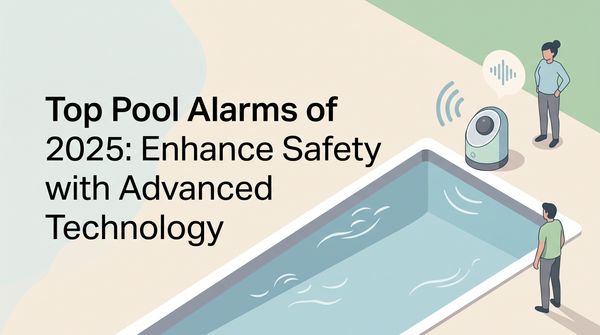
Sunny afternoons by the pool are the highlight of summer. But if you're a parent, that happy splashing can turn tense the second your mind jumps to safety. A secure pool matters, and in 2026 you've got a real helper: the pool alarm.
Last summer a friend told me her young son had wandered too close to their neighborhood pool. Nothing bad happened, but it rattled her. One conversation about pool alarms changed how she saw the whole thing. A small device like that, she realized, buys you a few crucial seconds when you have to turn your back.
Pool alarms used to feel like a luxury. Now they're a basic part of keeping a family safe. The better models detect a disturbance in the water with real accuracy and warn you the moment someone gets in unexpectedly. Some connect to your phone for extra peace of mind. As we look at the best pool alarms of 2026, you'll see how the tech keeps getting smarter.
Your Action Plan
- Figure out your pool type and size.
- Choose a subsurface alarm for inground pools or a floating one for small or portable pools.
- Set the detection sensitivity to match your kids and pets.
- Install it, then add a self-locking gate and a gate alarm as backup.
- Check your local codes and look for ASTM standards.
- Test it regularly and get CPR certified.
Ensure Child Safety with Pool Alarms
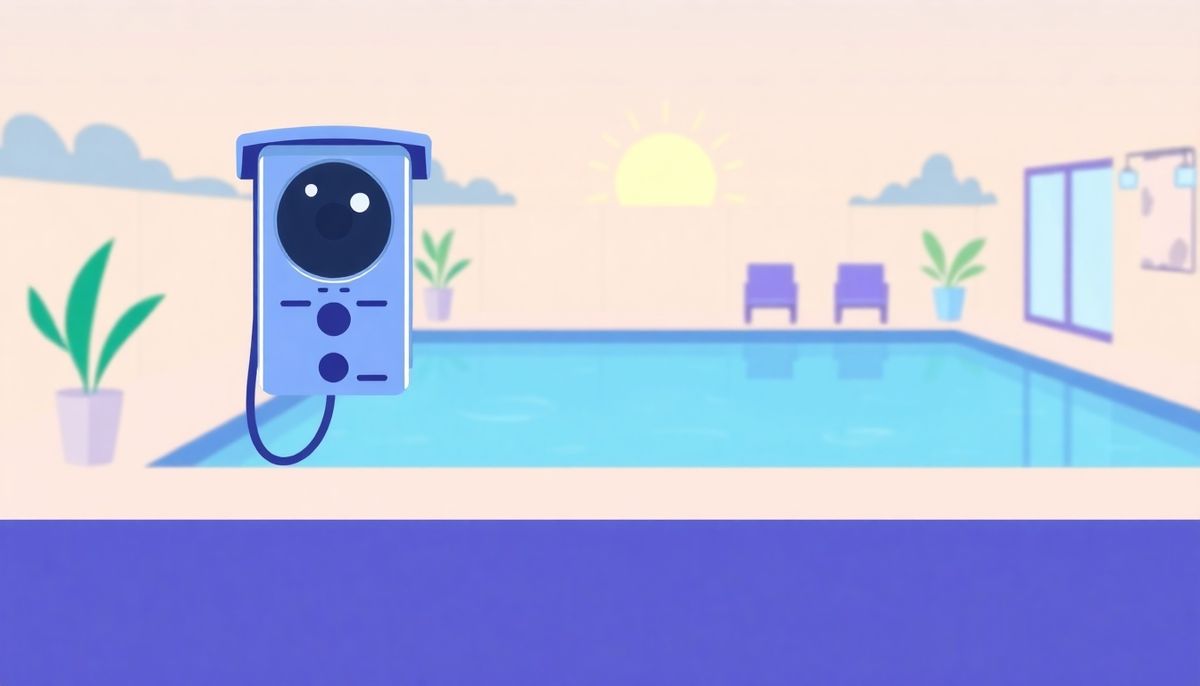
Three alarms worth knowing
Around a pool you have to stay alert, especially with kids nearby. A good alarm warns you the moment something unexpected hits the water. The PoolGuard PGRM-2 for inground pools is a standout. It's tamper-proof, with a submersible arm that senses anything weighing 18 pounds or more, so even a slow, quiet entry won't slip by.
For above-ground pools, the PoolEye Immersion Alarm is a practical pick. It uses subsurface wave detection, which just means it measures water pressure beneath the surface instead of ripples on top. That way it reacts to real disturbances and skips most false alarms. It senses objects as light as 15 pounds, a good fit for smaller pets, and it's easy to install.
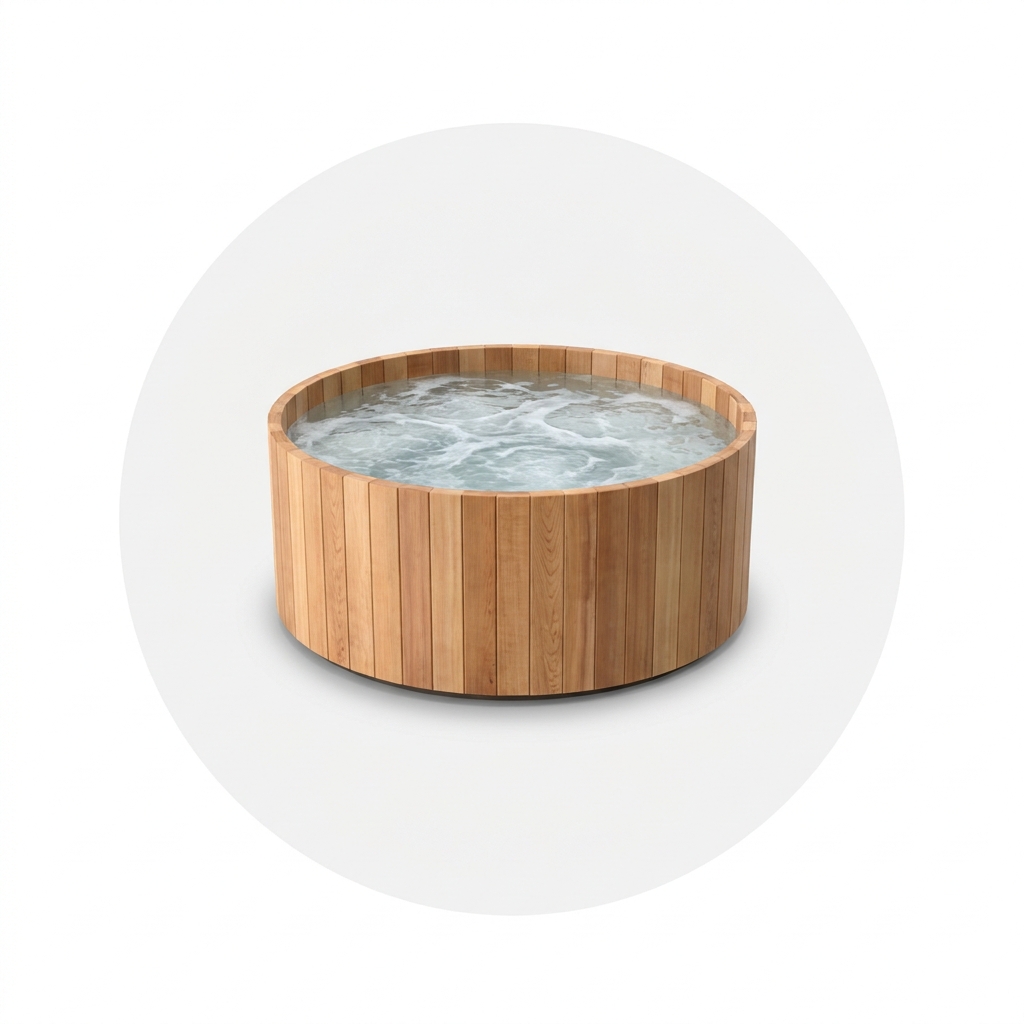
Got a smaller pool or hot tub? The Pool Patrol PA-30 floats on the surface and lets you adjust the sensitivity. It's easy to move, so it travels well. All three meet ASTM standards, which is why they belong in any solid safety plan.
Select the Right Alarm-Type
Subsurface vs. surface alarms
Sorting the two main types is simpler than it looks. Subsurface alarms sit below the waterline, and their sensing arms pick up motion and water displacement. That makes them a good match for larger, permanent pools. The PoolGuard PGRM-2 is a sturdy example that gives reliable alerts while shrugging off wind.
Surface wave alarms like the Pool Patrol PA-30 float on top and shine in smaller pools or hot tubs. They travel well and catch lighter disturbances, though now and then they'll react to rain.
For fuller coverage, pair a subsurface alarm with a threshold alarm, which is simply a door or gate alarm that watches the ways into the pool area. Together they warn you both when someone enters the space and when the water itself is disturbed. Check your local codes before buying, since the rules vary from place to place.
The best alarm isn't the fanciest one — it's the one matched to your pool's size, its surroundings, and your family's needs.
Maximize Detection Sensitivity
Getting the sensitivity right
Choosing an alarm is about more than fancy tech. What counts is dialing in the detection sensitivity so a real splash never gets missed. On a windy day or during a rain shower, a well-tuned alarm tells everyday noise apart from a genuine threat. The PoolGuard PGRM-2 is great at this because it watches for changes in water pressure rather than surface ripples, so you get fewer false alarms without losing that steady watch.
With a smaller pool or pets, the Pool Patrol PA-30 lets you adjust the sensitivity to suit your setup. My neighbor set hers to ignore leaves dropping in the water while still catching her curious cat. A good alarm isn't the loudest, it's the one that listens best. Add regular maintenance checks and it keeps working at its best.
Install Alarms for Home-Safety
Safety shouldn't be an afterthought, especially with young kids and pets around. When you choose a system, balance is everything: sensitive enough to catch a child's fall, but not so touchy that a gust sets it off. The PoolGuard PGRM-2 keeps a steady eye on an inground pool without constant false alarms. The PoolEye brings the same precision to above-ground pools with its subsurface tracking, and the Pool Patrol PA-30 adapts to smaller pools and moves easily between them. Pair any of these with a gate alarm so you're warned before anyone reaches the water.
Choose Reliable Subsurface Alarms

Why reliability comes first
Reliability matters most. A dependable subsurface alarm watches for disturbances without being fooled by wind or light rain, so every real splash triggers an alert. My neighbor told me his worry about the kids near the pool faded overnight after he installed one.
Subsurface alarms like the PoolGuard PGRM-2 are ideal for larger inground pools. You mount them at the edge, with a sensing arm that dips into the water. They come with in-house remote receivers, so you're alerted both poolside and inside the house. When picking one, think about your pool's size and entry style. A beach entry benefits a lot from this kind of system. For above-ground or smaller pools, the PoolEye Immersion Alarm gives similar protection with easy install and adjustable sensitivity.
Evaluate Detection Sensitivity
The right choice balances sensitivity and reliability. The alarm should catch a child or pet entering the water but ignore a stray leaf or gust. The PoolGuard PGRM-2 detects anything 18 pounds or heavier, which covers most kids and pets, and its subsurface sensors ignore minor ripples. That threshold might be too high if you have smaller pets. In that case, the Pool Patrol PA-30 lets you tune the sensitivity so it reacts to lighter weights. Floating alarms can be more prone to false alerts from surface movement, but their adaptability makes them a favorite for smaller or temporary pools.
Install Tamper-Proof Systems
Tamper-proof for real peace of mind
Tamper-proof systems keep kids from switching the alarm off. The PoolGuard PGRM-2 is a good example: it installs at the pool's edge with a submersible arm, so little hands can't reach the controls. It stays active and dependable, catching disturbances of 18 pounds or more, and its in-house receiver sounds both poolside and indoors. Whether you're hosting a party or having a quiet afternoon, knowing it can't be shut off lets you relax.
Customize Sensitivity Settings
Adjusting sensitivity is worth the effort, especially if your yard has trees, wind, or active pets. At a friend's house the alarm blared every time a leaf hit the water; one flick of the sensitivity switch fixed it. The PoolEye Above Ground alarm has an adjustable switch that helps in changeable weather, and the floating Pool Patrol PA-30 can tell a curious squirrel from a child getting in. It's not a one-and-done job, though. Revisit the setting as the seasons change, and test your changes with a few controlled tries so it performs when it counts.
Set the sensitivity too high and you'll be tempted to turn the alarm off, which defeats the whole point.
Prevent Drowning with Top Alarms

The right alarm depends on your pool and your household. The PoolGuard PGRM-2 fits larger pools, with a tamper-proof design and submersible sensors that catch disturbances over 18 pounds, plus an in-home receiver that alerts you indoors. For above-ground pools, the PoolEye Immersion Alarm has adjustable sensitivity to avoid false triggers from rain or wind, ideal for smaller pools and lighter pets. For portability and spots like hot tubs, the Pool Patrol PA-30 floats, installs in minutes, and travels with you.
Choose the Right Alarm
When you match an alarm to your pool, focus on the weight range it catches and how it alerts you. The PoolGuard PGRM-2 suits big inground pools with older kids or larger pets, catching anything 18 pounds and up and warning you at the pool and in the house. The PoolEye reacts to lighter weights from 15 pounds, better for families with small pets, and cuts down on weather-related false alarms. If portability tops your list, the floating Pool Patrol PA-30 gives you flexibility without giving up reliability.
Install and Operate Easily
Easy to install
Setting up a top-rated alarm of 2026 is straightforward. The PoolGuard PGRM-2 attaches to the pool's edge quickly thanks to its tamper-proof design, its submersible arm picks up disturbances, and it runs on a 9V battery for pools up to 20 by 40 feet. The PoolEye Above Ground alarm needs no drilling. It fits under the pool's ledge and detects anything over 15 pounds. It has no in-house receiver, but its loud siren keeps you informed. The Pool Patrol PA-30 just floats on the water, which makes it great for travel or temporary setups.
Enhance Pool Safety Measures
Build layers, not just one alarm
Strong pool safety is about more than one device; it's about keeping your kids and pets safe with several backups. A sturdy perimeter fence with a self-locking gate is your first checkpoint, stopping curious kids and pets before they reach the water. Add a gate alarm on entries for another warning. Education matters too, so go over your rules with the family now and then, and make sure kids know not to enter the pool area without an adult. Finally, CPR certification is worth having. In an emergency, being ready to act fast is priceless.
No single alarm replaces a fence, a self-locking gate, clear rules, and knowing CPR — layer them together.
Simplify Pool Safety Setup

Setting up your safety net doesn't have to be complicated. Match the alarm to your pool: the PoolGuard PGRM-2 fits larger pools, catching anything over 18 pounds with few false triggers. For smaller or above-ground pools, the PoolEye Above Ground alarm is sensitive enough to notice a small pet without going off at every gust. And for travel or a portable pool, the Pool Patrol PA-30 floats and is ready for spontaneous poolside days at a friend's house.
Select the Right Alarm Type
Match the alarm to your family
Choosing an alarm comes down to your family's lifestyle and safety needs. When my neighbor put in a pool, the first thing we talked about was which alarm would suit her energetic toddler and curious puppy. Subsurface alarms like the PoolGuard PGRM-2 are popular for larger inground pools because they detect real weight in the water and won't go off over rain or blowing leaves. The U.S. Consumer Product Safety Commission has noted this type works well because it reliably watches underwater disturbances. If your pool hosts smaller swimmers, whether pets under 15 pounds or kids in inflatable pools, a surface wave alarm like the Pool Patrol PA-30 catches lighter movements and travels easily. A gate alarm at the entry points adds another layer.
Install with Minimal Hassle
Installation shouldn't feel like an obstacle course. The PoolGuard PGRM-2 takes a quick drill to secure at the pool's edge, then it watches for anything heavier than 18 pounds. The PoolEye Immersion Alarm skips drilling entirely. Attach the sensor under the top ledge and it catches the slightest splash while ignoring rain or swaying branches. The Pool Patrol PA-30 just needs to be set in the water and adjusted, which is ideal for trips where the pool has no built-in system.
Ensure Compliance with Safety Standards
Know the rules before you install
Pool safety regulations can look daunting, but following them matters. Start by learning both local and federal guidelines, since they vary quite a bit. Some areas require specific alarm types or extra equipment for pools where children spend time. The ASTM International standards act as a benchmark, so you know your system is reliable. A friend of mine had a top-rated alarm but still ended up on the wrong side of local rules, which cost her stress and money. Double-check compliance before you install, and ask a pool safety pro if you're unsure.
Opt for Portable Pool Protection

When portable makes sense
Portable protection is right for families who often visit pools away from home. Unlike fixed systems, a portable alarm moves and adapts with you. The Pool Patrol PA-30 is as easy to use as a floating toy: drop it in, and it catches surface disturbances, with adjustable sensitivity to tell harmless ripples from real threats. Because it isn't tied to one spot, you're never without a safety measure at a vacation rental or a friend's pool. For a small pool or an impromptu swim, it's a reassuring backup that travels with you.
Choose the Right Pool Alarm
Start with sensitivity: you want an alarm that tells a child's splash from wind-churned water. Too many false alarms and you'll be tempted to switch it off. The PoolGuard PGRM-2 detects anything over 18 pounds, so active toddlers and curious pets can't take an unsupervised plunge, and its in-house receiver alerts you poolside and indoors. The PoolEye Immersion Alarm catches as little as 15 pounds while ignoring wind and rain. For a small pool or hot tub, the floating Pool Patrol PA-30 gives you flexibility and portability. Whatever you choose, make sure it fits your pool and your local rules.
Enhance Safety with Subsurface Alarms
The case for subsurface alarms
Subsurface alarms are a rugged choice. Because they work below the surface, they're less likely than floating alarms to react to wind or rain. A friend put a PoolGuard PGRM-2 in her backyard last summer and was impressed by how it caught her Labrador's unplanned dips while ignoring falling leaves. Its in-house receiver alerts you indoors too. These are usually made for permanent installation in larger pools. Once one is in place, the sensing arm stays on guard unless you turn it off manually. Pair it with a gate alarm for complete coverage of both poolside and in-water risks.
Conclusion

This article gave you some insight into keeping your pool safe. Start today.
Want to become a pool maintenance expert? Our free Pool School course covers everything you need to know about pool care. From basic maintenance to advanced troubleshooting, you'll learn how to:
- Save thousands on pool repairs and chemicals
- Keep your water crystal clear year-round
- Prevent and solve common pool problems
- Master water chemistry with confidence
Join over 10,000 pool owners who have already transformed their pool care routine. Get started with our free Pool School course today!
What you need
Pick an alarm that fits your pool — the PoolGuard PGRM-2 for inground, PoolEye for above-ground, or the floating Pool Patrol PA-30 — then add a self-locking gate and gate alarm for full coverage.