



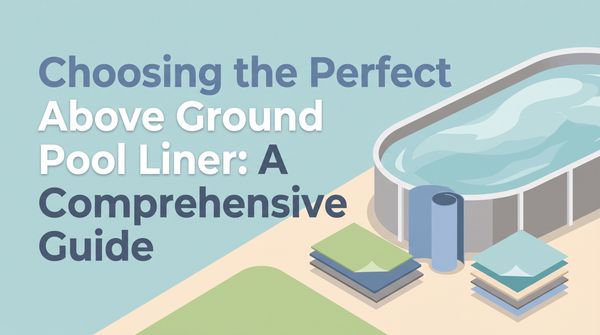
An above ground pool is where summer happens—cannonballs, lazy afternoons on a float, and the odd last-minute party. If you own one, you already know the liner matters. It looks simple, but it does two big jobs: it holds the water in and keeps the pool looking good.
Get the liner slightly off-center during install and you can end up with weeks of tiny leaks and wasted water. Many pool owners learn that the hard way. Picking the right liner for your pool's size, shape, and how you use it saves you that trouble. There's plenty to choose from, from tough vinyl to patterns that mimic a tiled pool, but it takes more than matching a color to your patio furniture.
Once you look closely, the small details start to matter: the right thickness and material so the liner holds up to weather and years of splashing. Whether this is your first pool or you've had one for years, understanding how liners work means a longer-lasting liner and more time in the water. This guide walks you through it all so you can make smart choices and skip the common mistakes.
Your Action Plan
- Pick a liner type that fits your install: overlap, J-hook, beaded, or unibead.
- Choose the right thickness, usually 20 to 25 mil for most pools.
- Lay down a quality liner pad before you install.
- Balance your water chemistry and test it regularly.
- Cover the pool to block UV when it's not in use.
- Check for damage and winterize before the cold months.
Choose the Right Liner

Match the liner to your install
Picking the right liner isn't about finding a pretty pattern; it's about durability, easy upkeep, and a good fit for your setup. Start with the type. Overlap liners are easy on the wallet, but you have to install them carefully or you'll get wrinkles. A J-hook liner is simpler to fit and doesn't need coping strips—the plastic strips that clamp an overlap liner to the top of the wall.
If you want flexibility, a unibead liner is a smart pick. It fits a beaded track or works as a J-hook, so you're covered if your setup ever changes.
Get the thickness and climate right
Thickness matters too. A higher mil count means extra toughness, but very thick liners are harder to install and can wrinkle if you're not careful. Think about your climate, as well. If the sun is harsh where you live, a UV-treated liner lasts longer. And don't skip a good liner pad; it guards against punctures and lumpy spots underneath.
A good liner pad is cheap insurance: it guards against punctures and lumps that would otherwise cut your liner's life short.
Understand Liner Types
The four liner types
When it's time to freshen up your pool's look, it helps to know the liner types out there. Each has its own traits and install needs.
Overlap liners are the budget pick. They drape over the walls and stay put with coping strips. They're a little fiddly to install—an extra pair of hands makes securing the strips much easier—but plenty of people choose them for the low price.
J-hook liners keep things simple. A built-in hook slides right over the pool's edge, so you skip the extra clips. If you'd rather avoid the fuss, this one saves you time and headaches.
Unibead liners are the flexible ones. Trim the top and they work in both J-hook and beaded tracks, so they fit almost any setup. That makes them a favorite for anyone who likes keeping their options open.
Beaded liners snap into a dedicated track for a clean, finished look. Conversion kits let you switch an overlap setup over to this style, which is great if you're upgrading how the pool looks.
Avoid Common Liner Mistakes
Mistakes that shorten a liner's life
A liner that looks patched and lumpy instead of smooth is a common sight, and usually avoidable. The first mistake is choosing the wrong thickness. More isn't always better; a thick liner can be hard to install and prone to wrinkles if it isn't fitted right. Focus on the mil measurement rather than gauge to get a tough, fit-for-purpose liner.
Next, don't ignore chemical balance. Too much chlorine breaks down vinyl, leaving it brittle and quick to tear. Many owners assume more chlorine means cleaner water, then watch their liner start cracking within a season. Test and adjust your water regularly.
Finally, look at your surroundings. If your pool bakes in the sun, consider a UV-resistant liner or cover it when it's not in use. And be careful with yard work; a small stone kicked up by a mower can punch a hole that's frustrating to find.
Too much chlorine can make your liner brittle and crack-prone within a single season, so test and adjust your water regularly.
Maintain Your Pool Liner
Simple upkeep habits
Caring for your liner is about protecting the heart of your backyard, and a little attention goes a long way.
Start with regular cleaning. Use a soft-bristle brush to scrub off algae or debris before it can take hold. Make it a habit and the liner lasts longer.
Then the chemistry. Keeping the water balanced is like following a recipe: too much of anything, especially chlorine, wears the liner out early. Get a reliable test kit and check pH, alkalinity, and sanitizer often.
Don't forget the sun. The parts of the liner above the water shouldn't sit in UV for long. A solar cover blocks the harshest rays and keeps the vinyl flexible, so it's less likely to crack. And when you close the pool for the season, winterize it properly. A good cover protects the liner through the cold months.
Protect Your Pool Liner
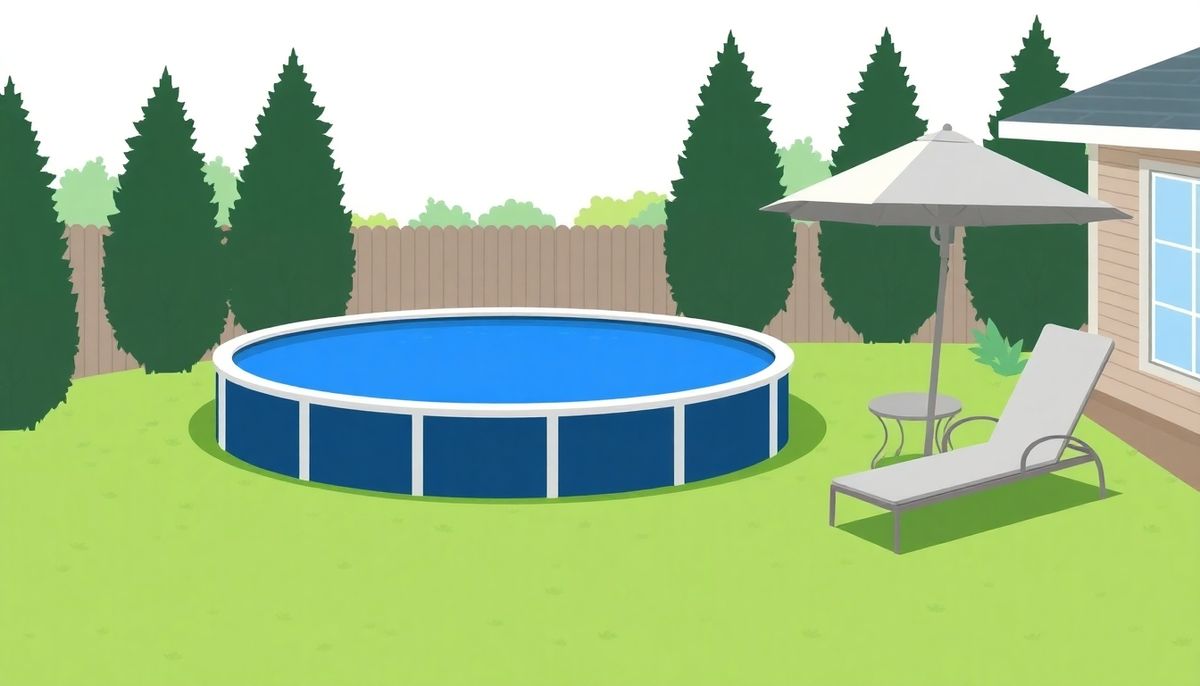
Protect it from sun, chemicals, and debris
A little care goes a long way toward keeping your liner from wearing out early. The sun is both friend and foe. It warms the water, but strong UV rays fade and dry out the exposed vinyl. Use a cover when you're not swimming, or plant shade trees and shrubs nearby. That shields the liner and also holds heat and cuts evaporation.
Chemicals matter just as much. A balanced pool is safer to swim in and easier on the liner, and too much chlorine causes as much harm as too little. Test the water as regularly as you make your morning coffee.
Watch your surroundings, too. A stone from a mower or a branch snapped off in a storm can wreck a liner. Clear debris often and tie down anything loose that might blow into the water.
Hard-sided vs soft-sided pools
Start by understanding what your pool needs. Hard-sided pools can usually take a lighter liner because the walls provide support, though that also leaves them more exposed to weather. Match the liner type to your install method: overlap liners are cheap but fiddly, beaded liners look polished and install easily (especially with a conversion kit), and J-hook liners set up simply without extra tools.
Don't overlook material and thickness, measured in mils. A thicker liner can be more durable but harder to fit. Brands like Intex or Kayak may have specific requirements, so check that your liner matches your pool model. And always pair it with a quality liner pad to prevent punctures.
Prevent Sun and Chemical Damage
How UV and chlorine wear a liner
Sunlight and chemicals are two quiet troublemakers. Those ultraviolet rays don't just warm the water; over time they fade the liner and leave it dry and brittle, especially at the waterline. Think of rubber boots left outside all season—eventually they crack.
Chemical balance isn't only about clean water. Too much chlorine slowly eats through the vinyl and leaves it fragile. Keeping the water balanced protects swimmers and the liner alike. A shade structure or a cover when the pool isn't in use gives the liner a break, and regular testing keeps chemical levels where they belong.
Maintain Pool-Chemistry Balance
Dial in your chemistry
Balanced chemistry is what makes a liner last. Chlorine handles bacteria and algae, but too much weakens the vinyl over time, so you want just the right amount. pH is the next player—keep it between 7.2 and 7.8 to protect the liner from scaling or corrosion and keep the water comfortable to swim in. Total alkalinity should sit between 80 and 120 ppm to hold that pH steady. Regular testing and adjusting is the whole game, and a good test kit can save you from a costly liner replacement down the road.
Enhance Liner Durability
A few habits that pay off
Getting more life out of a liner comes down to a few smart habits. The sun is your liner's biggest enemy, so a pool cover that blocks UV is a cheap, effective fix—it also keeps debris out, which cuts the chance of punctures from twigs or flying objects. Keep your water chemistry balanced, since too much chlorine wears the vinyl down. And take a cue from your yard work: aim the mower chute away from the pool, and after storms, check for tree limbs that could become projectiles in high wind.
#
Choose the Right Liner
-Type
Quick guide to the liner styles
Each liner type has its strengths. The overlap liner is the budget option; it folds over the pool's edge and is held with coping strips, and it tests your patience during install but saves you money. The J-hook liner slips over the edge with no coping strips, so it's the easy setup—like trading laced sneakers for slip-ons. Beaded liners click into a track at the top of the wall; they cost a bit more but look polished and are easier to replace or remove. And the unibead liner adapts to either a J-hook or beaded setup, giving you one product with a few uses. Whatever you pick, make sure it fits your pool and your style for many summers to come.
Protect Against Sun and Weather
Guard against weather damage
Finding your liner faded and brittle after a hot season is a hard reminder of what nature can do. Like our skin, the vinyl needs protection from UV rays that bleach the color and weaken the areas above the waterline until they crack. Covering the pool when it's not in use slows that aging.
Weather is a tough opponent too. Windstorms fling debris that can puncture the liner, and big temperature swings make the vinyl expand and contract until weak spots give way. A sturdy liner pad buffers against sharp objects and uneven ground underneath. Watch the forecast, cover up in rough weather, and patch small tears quickly to stretch the liner's life even further.
Covering your pool when it's not in use is the single easiest way to slow UV damage and add years to your liner.
Maintain Optimal Pool-Chemistry
The numbers to hit
Balancing chemistry takes steady attention. Many owners find out the hard way that a splash of this and a dash of that isn't enough—the liner loses its color and tiny cracks show up. Keep pH between 7.4 and 7.6 to protect the liner and keep the water easy on skin. Chlorine sanitizes the pool, but too much causes discoloration and brittleness; 1 to 3 ppm is the sweet spot. Alkalinity buffers your pH and should stay between 80 and 120 ppm. And if your pool gets a lot of sun, check cyanuric acid too, since it keeps chlorine stable.
Master Liner Installation
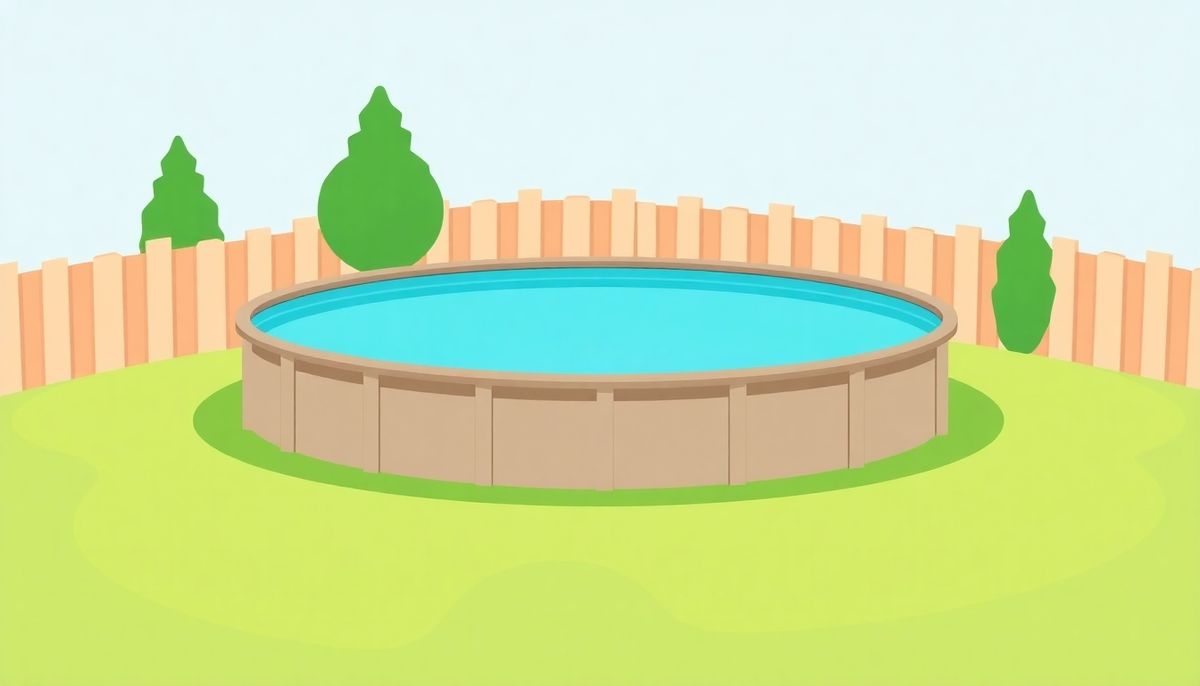
Installing a new liner, step by step
When the old liner looks patched and worn, it's time for a new one, and getting the install right comes down to preparation, precision, and patience.
Gather your tools first: a utility knife, a shop-vac, duct tape, and a helper or two, because teamwork helps here. Cut the old liner into manageable pieces and pull it out. Then check the sand or dirt base underneath, spread a fresh layer of sand, and pack it smooth. This step is key to a wrinkle-free finish.
Lay down a good liner pad next. Some folks skip it, but it's cheap insurance against future tears. Set the new liner, line it up with the walls, and secure it based on its style—overlap, beaded, J-hook, or unibead.
A shop-vac is the best tool for clearing out air pockets and smoothing the surface. As the liner settles, start filling the pool with water and reattach the top rails and fittings as you go. Then step back and enjoy the fresh look.
Style, thickness, and fit
Choosing the right liner is about understanding what your pool needs, not grabbing the first option you find online. Start with the style. Overlap liners are budget-friendly but need careful installation to avoid wrinkles. Bead liners slip into a track for a smoother finish, though you'll need a conversion kit if your pool came with an overlap setup. J-hook liners sit in the middle—easy to install without extra tools.
Then thickness, measured in mils, which is a thousandth of an inch (not a millimeter). Thicker usually means more durable but harder to work with; for most pools, a 20 or 25 mil liner hits the balance. Your foundation matters just as much. A quality liner pad, whether foam or geotextile, cushions the vinyl and shields it from punctures and shifting ground. Finally, check your pool's brand requirements—makers like Kayak or Esther Williams can have unique designs, so confirm measurements and specs before you buy.
Protect and Maintain Your Liner
Care through the seasons
Liners, like your favorite belongings, need care to last. The sun warms the water to a nice swimming temperature, but its UV rays bleach and weaken the vinyl, so use a quality cover when the pool isn't in use. Balance your chemistry, since too much chlorine slowly eats away at the liner. Keep the area around the pool clear of hazards from mowing or storms, and check for early wear often. When the cold months come, winterize properly to protect the liner and keep algae from taking over by spring.
Install with Precision
Take your time with the fit
A good liner replacement comes down to precision. Drain the pool fully, but only when you're ready to install, and keep the top rail on to hold the walls steady while you work; removing it too early leaves the structure weak. Match your approach to the liner type: overlap liners need a delicate touch to avoid wrinkles, while beaded and J-hook liners attach more easily. Bring a couple of friends to steady the walls while you work the liner over the edges, which is a job that can strain the structure if you do it alone. Use a shop-vac to pull air pockets out from behind the liner, smoothing wrinkles as the water fills. Rushing this job is where trouble starts, so take your time—the effort now buys you plenty of carefree days later.
Prevent Liner Damage
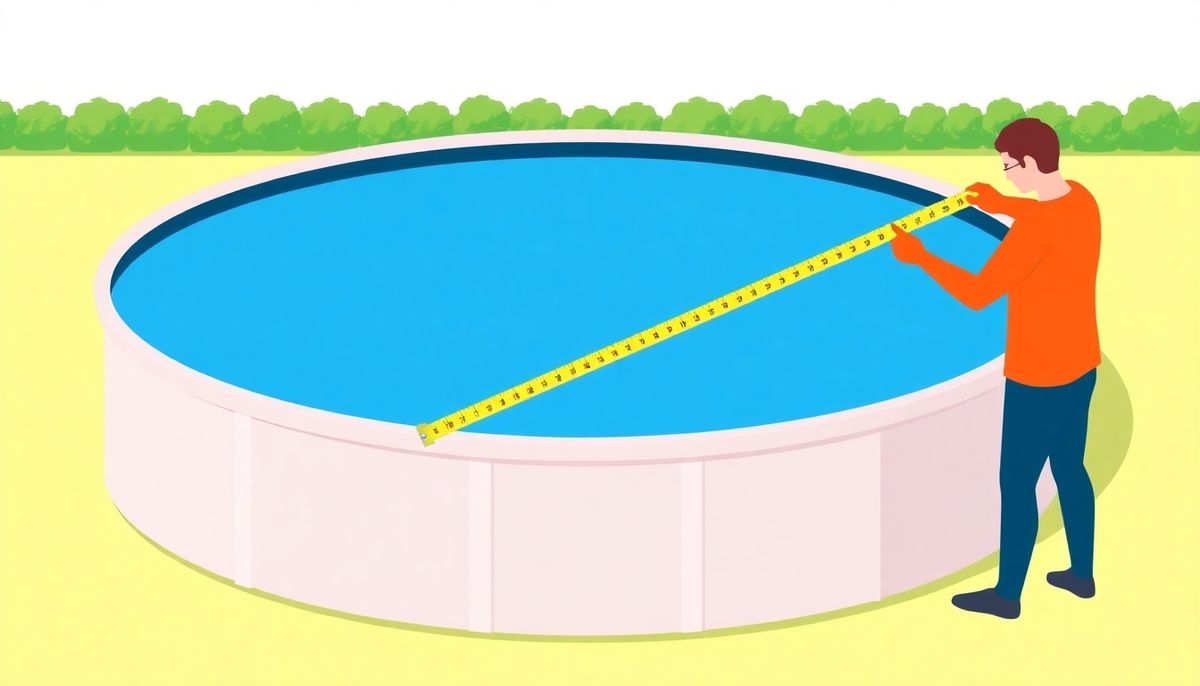
Small steps, long life
Protecting your liner from early wear is easy to overlook. Manage how much sun the pool gets, since UV rays bleach and weaken the vinyl. Cover the pool when you're not swimming, especially during peak hours. That also cuts evaporation and the chemical topping-up that comes with it. Keep chlorine and the other levels in their recommended ranges to keep the surface from turning brittle. And mind your surroundings: a stray rock from a mower or a sharp branch in a storm can puncture the liner, so trim nearby trees and keep a buffer around the pool.
Weigh thickness against upkeep
With so many options, choosing a liner can feel overwhelming, but knowing the key differences makes it simpler. Overlap liners are cheap and take patience to install, draping over the walls and held with coping strips. A J-hook liner slips over the edge with no extra hardware for an easier, seamless look. Beaded liners sit in a track at the top of the wall for an elegant finish. On thickness, a 25 mil liner is more durable but harder to install wrinkle-free, while lighter liners are easier to handle but wear out sooner. Weigh that against your budget and how much upkeep you're willing to do. And don't forget the liner pad—it protects against punctures and helps everything last.
Conclusion
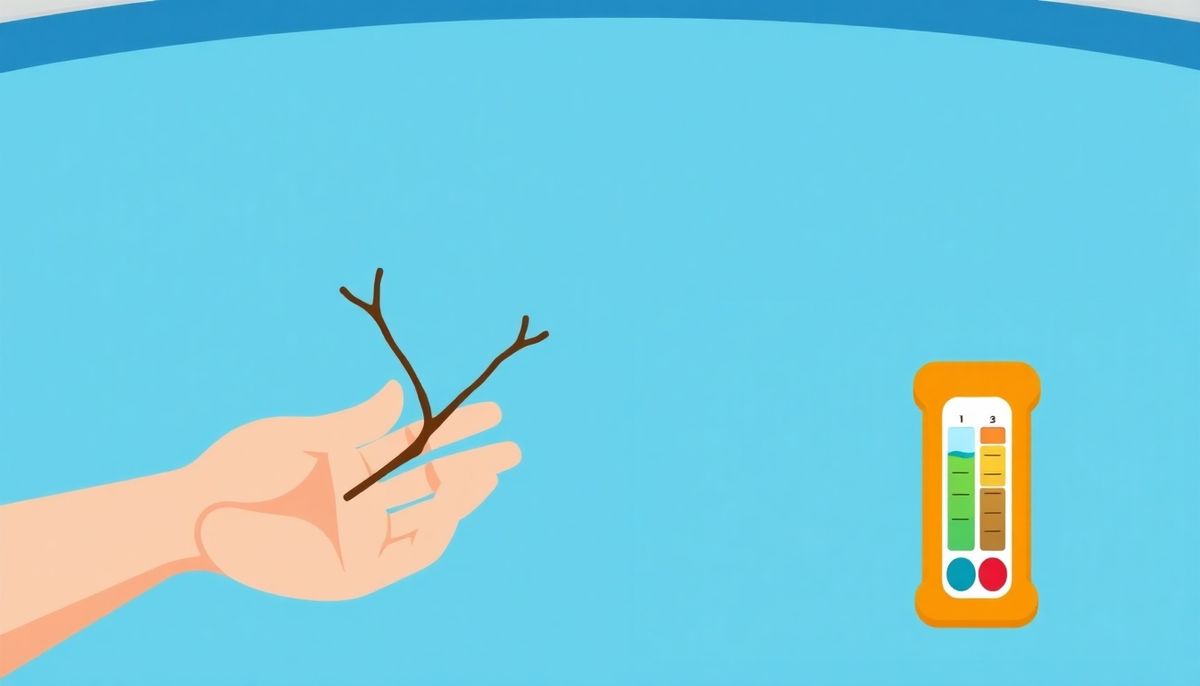
Taking care of your pool doesn't have to be a guessing game. Pick the right liner, keep your chemistry balanced, and protect the vinyl from the sun, and you'll spend far more time swimming than fixing.
Want to get really confident about pool care? Our free Pool School course covers everything, from basic upkeep to tricky troubleshooting. You'll learn how to:
- Save thousands on pool repairs and chemicals
- Keep your water crystal clear year-round
- Prevent and solve common pool problems
- Master water chemistry with confidence
Join over 10,000 pool owners who've already changed their pool care routine. Get started with our free Pool School course today!
What you need
Grab the right liner for your setup along with a quality liner pad, a soft-bristle brush, a reliable test kit, and a pool cover to protect your vinyl through every season.