



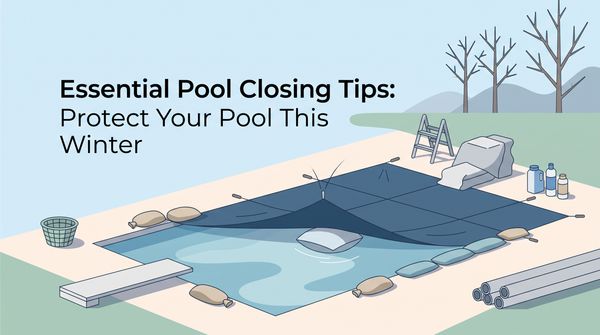
When the air turns crisp and those lazy poolside afternoons fade, you know swimming season is winding down. Closing a pool isn't just tossing on a cover and walking away. It's a careful process that protects your pool through the cold and gets it ready for warm weather again. The key is a well-chosen closing kit stocked with the right chemicals.
Think of it like putting a garden to bed for winter. You wouldn't leave your plants to face the frost alone, and your pool needs the same care. Miss one step and you could open up in spring to algae blooms, stains, or damaged equipment.
Every pool is a little different, shaped by where it sits, how much it's used, and what's in the water. So each one needs its own mix of chemicals. With so many products on the shelf, figuring out what yours needs can feel overwhelming. This guide clears up the chemical side so your pool stays in great shape.
Your Action Plan
- Give the pool a deep clean—skim, vacuum, and brush the walls.
- Test and balance pH, alkalinity, and calcium hardness.
- Shock the water and wait for chlorine levels to drop.
- Add a 60% Polyquat algaecide while the water is still circulating.
- Cover the pool, and add an air pillow for above-ground pools.
Choose Essential Winter Chemicals

Closing the pool for winter can feel like a big job, but with the right chemicals it's simple. Picking well lets your pool rest quietly through the cold without any nasty spring surprises.
Start with algaecide. A 60% Polyquat algaecide—a copper-free formula—is a must-have. It fights algae well without the staining you get from copper-based products, and it skips the foamy mess. It costs a little more, but the peace of mind is worth it.
You might also add a Winter Pill. It's not strictly necessary, but it slowly releases enzymes and clarifiers that fight stains, scale, and cloudy water. It's a quiet helper, especially if your water runs high in metals.
A full winterizing kit can be tempting if you like convenience. Just remember that a good pre-winter cleaning and a dependable cover can save you from paying for extras like stain preventers or phosphate removers. Balance simplicity with what actually works, and your pool will look inviting come spring.
A copper-free algaecide costs a bit more, but it spares your surfaces from the stains copper products leave behind.
Assess Kit Necessity
Do you actually need a kit?
Deciding whether you need a closing kit means sorting the must-haves from the nice-to-haves. Just because a product exists doesn't mean your pool needs it.
Kits are handy because they bundle everything: winter algaecide, stain preventers, non-chlorine shock, sometimes an oil-absorbing sponge or floater. But not every pool needs the whole set. If you've kept up a regular cleaning routine and balanced your chemicals, extras like oxidizers or phosphate removers can be overkill.
Someone I know swore by a simple combo—that copper-free algaecide plus a solid cover—for his above-ground pool. His water stayed clear without the cost of a kit, thanks to thorough cleaning and regular testing. Once you know your pool's chemistry and condition, you can decide whether a kit is worth it or a tailored approach will do.
Select Algaecide Wisely
The first time I closed my pool, I grabbed a copper-based algaecide because it was cheaper. Come spring, I found ugly stains that needed extra scrubbing. That taught me to pick the right product from the start.
Go with the copper-free option. It looks pricier, but it fights algae through the cold months without the foaming and staining. That matters most if your water carries a lot of metal.
Think about your climate too. If your winters are mild, algae can wake up any time the temperature nudges up. A good algaecide is your best defense. Choosing well now saves you time and effort when the sun comes back.
Optimize Pool-Closing Routine
A simple closing routine
A well-planned closing keeps your pool in top shape for next season. Start with a thorough cleaning—skim the surface, vacuum the floor, and brush the walls to clear debris and algae spores. A spotless pool saves you headaches in spring.
Next, balance your water chemistry. Test pH, alkalinity, and calcium hardness, and adjust as needed. Balanced water stays stable so your winterizing chemicals can do their job. Get it wrong and you risk stained surfaces or damaged equipment at reopening.
Add your algaecide. Its strength is stopping algae without staining. Toss in a Winter Pill if you're dealing with metal stains or cloudy water—optional, but often worth it.
Finally, put on a good winter cover. It shields the water from leaves and debris, so there's less to clean up later. For above-ground pools, an air pillow is a must to keep ice from damaging the walls.
A little time and attention now saves you a mountain of work come spring.
Evaluate Pool-Kit Necessity

The appeal of a closing kit is simplicity—everything in one neat package. New or veteran, it looks like a time-saver. But is it essential? Think of a friend who kept buying meal kits only to realize they already had half the ingredients. Same idea here.
Each kit usually comes with winter algaecide, a chlorine-free shock, and a floater. But not every item matters for every pool. If you already have a bottle of copper-free algaecide in your shed, you may not need the one in the kit.
A kit is tempting when you're short on time, but ask whether each piece fits your pool. You might do just as well with a reliable cover and a Winter Pill. Convenience is nice; knowing your pool's needs is what keeps winterizing both effective and easy on your wallet.
Assess Kit Components Essentiality
Sorting what counts
These kits promise a hassle-free winter, but not everything inside earns its keep. Let's sort it out.
Start with the winter algaecide—your frontline defense. Go with the copper-free type; it won't stain and keeps that green tint away. Next, the chlorine-free shock. If you already shocked your pool during prep, it may be redundant, though it's a gentle backup if your chlorine is steady.
Stain and scale preventers stir up debate. If your pool has a history of metal or scale trouble, they're worth using. Otherwise, a good clean and a solid cover usually make them unnecessary. Same with a winterizing ball or pill—optional, but comforting.
Phosphate removers and oil-absorbing sponges are nice extras, rarely essential if your pool is prepped and covered right. Match the kit to your pool's needs so you're buying real protection, not just convenience.
Consider Individual Chemical Needs
Each pool has its own quirks, shaped by nearby trees, hours of direct sun, and what's already in the water. So each one has different chemical needs come winter. A friend with a saltwater pool found the standard kits too chlorine-heavy, so she picked individual products that matched her system.
Start by checking your pool's current condition. Water makeup, existing algae, and the type of surface all shape which chemicals you need. High metal content? A copper-free algaecide keeps stains away. Prone to scale? An enzyme-based product, often missing from basic kits, may serve you better.
Think about climate too. Pools in mild areas don't need as heavy a chemical load as those toughing out icy winters. Mixing and matching separate chemicals often beats leaning entirely on a pre-packaged kit.
Optimize Pre-Close Preparation Steps
A week well spent
Pre-close prep is worth the effort. When I closed my own pool last year, I learned to start with a thorough cleaning. Skimming, vacuuming, and brushing became my first defense. Leave debris behind and you're inviting algae to a long winter party.
Test your water chemistry next. Don't leave pH, alkalinity, and calcium hardness unanswered. Adjusting them makes the chemicals work over winter. I still remember finding my pH wildly off one year—a quick fix saved me spring headaches.
Then shock the pool. A strong, slow-dissolving powder like calcium hypochlorite takes its time but cleans thoroughly. On impatient days, a fast-dissolving shock like dichlor works, though watch your cyanuric acid levels so you don't cause new problems. After shocking, wait for chlorine to settle before adding winterizing chemicals.
A week on this prep isn't wasted time. It's an investment in a trouble-free opening.
Prep Your Pool for Winter

Before you reach for a chemical kit, lay the groundwork. Begin with a thorough cleaning, scrubbing walls and floor to clear clinging debris and algae. That keeps them from getting worse under the cover.
Next, balance your chemistry—pH, alkalinity, and calcium hardness in their ideal ranges. This keeps the water from harming surfaces or equipment through the cold. Then shock with a strong chlorine treatment like calcium hypochlorite to clear out lingering bacteria and algae.
After the shock, let chlorine levels drop before adding your algaecide, which works all winter without stains or foam. Kits often throw in extras like non-chlorine shock or stain removers, but you may not need them if you've prepped well.
Last, use a reliable cover to keep leaves and debris from throwing off your chemical balance. A solid cover plus careful prep is your best defense against spring surprises.
Choose the Right Closing Kit
Matching the kit to your pool
Picking a closing kit can be the difference between a smooth winter and a season of headaches. Kits bundle algaecides, stain preventers, and chlorine-free shock, but not every part suits every pool, so weigh your needs before you buy.
Think about your pool's history and climate. If algae have been stubborn, a kit with the copper-free algaecide is a must—it won't foam or stain like copper. If staining or scaling worries you, a Winterizer Ball or Pill helps, though it's not required if you clean and cover diligently.
From experience, an air pillow is a smart buy for above-ground pools, especially where ice gets heavy. It keeps ice from pressing on the walls and causing costly damage. For inground pools, focus on a strong cover and the key chemicals.
A kit is worth it for convenience. But if you're comfortable handling chemicals and know your pool's quirks, a custom approach can save money and effort.
Balance Your Water Chemistry
Getting your water balanced before you close is a big deal. Think of alkalinity as a shock absorber for your pH—it keeps the whole system steady.
Start with pH. Aim for 7.2 to 7.6. That range keeps water from turning too acidic or too basic, either of which can corrode equipment or build scale. Then alkalinity: a level between 80 and 120 ppm stops pH from swinging.
Next, calcium hardness. Too little etches your plaster; too much causes scaling. Aim for 200 to 400 ppm. A lot of people skip this, but it protects your surfaces and equipment.
One winter I skipped these steps and greeted spring with murky, algae-filled water. Now I always check and adjust before closing. Balanced chemistry doesn't just prep your pool for winter—it sets up a smooth spring opening.
Balanced water isn't just winter maintenance; it's what protects your surfaces and equipment through the cold.
Protect with Winter-Ready Algaecide
As the chill sets in, a winter-ready algaecide is your guard against the green invasion that shows up in spring. Algae thrives when temperatures hover around 60°F and can turn a refreshing pool into a murky mess.
The copper-free 60% Polyquat algaecide is a favorite because it avoids the staining and foaming copper products cause—handy if your water is high in metals. Its strong concentration tackles algae head-on under the cover.
A friend once skipped this small step, sure their cover was enough. Come spring, they faced a cleanup they could have avoided. This one addition protects your investment and gives you a sparkling start to swim season.
Prevent Algae Growth Effectively
Shutting algae out for good
Algae loves to turn pool water green, which makes spring cleaning a nightmare. Keeping it out comes down to a few smart steps.
Start with a thorough cleaning. Scrubbing the walls and vacuuming the bottom removes organic debris that would otherwise feed algae. Then check your water chemistry—proper pH and alkalinity help your winterizing chemicals work.
Don't underestimate a quality algaecide. The copper-free option is a top choice: non-foaming, non-staining, and tough on algae. It costs a bit more, but it earns it.
Last, a snug winter cover blocks sunlight—the algae's energy source—and keeps out debris. Together, these steps form a solid defense so your pool stays clean and ready when warm weather returns.
Utilize a Winter-Closing Kit
Closing your pool isn't exciting, but it protects your investment. A winter-closing kit bundles chemicals made to shield your pool from harsh conditions—usually a winter algaecide, stain prevention, chlorine-free shock, and a few extras.
The standout is the copper-free algaecide. Its non-staining formula keeps algae from setting up camp while your pool rests, so you won't lift the cover onto a swamp. Kits also include a non-chlorine shock. It may seem redundant after prep, but it keeps sneaky contaminants at bay without harming your liner.
The convenience is real—everything in one package saves time and maybe money. Still, not every piece is a must. If your water runs high in metals, a Winterizer Ball or Winter Pill adds protection against stains and scaling. These kits are a handy way to make sure your pool springs back to life once the frost thaws.
Apply Algaecide Strategically
Timing your algaecide right
Applying algaecide the right way is your frontline defense against springtime green. It's about keeping the water clean under the cover no matter how long winter lasts.
The copper-free algaecide costs a bit more than copper options, but its non-staining, non-foaming nature makes it a favorite. It stops algae without messing with your other chemicals, keeping your balance in check.
Timing matters. Add it while the water is still circulating, ideally a few days after your last shock. That lets it spread evenly and guard every corner against algae spores. Whether you use a full kit or pick chemicals one by one, making algaecide a priority keeps your pool clean and inviting.
Optimize Water Balance Before Winter
Dialing in your water balance is a step people often overlook. Unlike a quick summer dip, balancing takes precision and a little planning. Proper balance shields your pool against harsh winter conditions and sets up a trouble-free spring.
Start by testing thoroughly—not just pH, but alkalinity and calcium hardness too. Think of it as a check-up for your pool. An unbalanced pool can corrode or scale, and coming back to damaged surfaces in spring is a costly headache.
A chlorine shock wipes out lurking bacteria and algae, but timing is key. Apply it in the evening and let it circulate overnight. Once everything's balanced, your winterizing chemicals can work at their best until the first warm breeze.
Balance Water Chemistry Now
With summer winding down, get every drop in harmony. Start with pH—the ideal range is 7.2 to 7.6, where your defenses against algae and bacteria are strongest.
Next, alkalinity. It buffers your pH and keeps sudden swings from throwing things off. Aim for 80 to 120 parts per million (ppm). Calcium hardness, often overlooked, quietly protects your surfaces; a reading of 200 to 400 ppm guards against scaling or etching.
A tip from experience: after testing, I usually need to tweak these numbers with pH increasers or reducers and alkalinity boosters. Once they're set, add a chlorine shock to wipe out lingering bacteria. It's a bit of work upfront, but your future self will thank you at spring opening.
Choose Essential Closing Supplies
The short list of essentials
After plenty of hours sorting must-haves from marketing gimmicks, I've learned simplicity wins. Here are the essentials.
First, a strong algaecide is your best friend. The copper-free 60% Polyquat algaecide gives you powerful protection through the cold without ugly stains. It costs more, but it's worth it.
Next, the Winter Pill. It slowly releases enzymes and clarifiers to keep water clear beneath the cover. Optional, but it works like insurance if you've battled stains or scaling before.
A good winter cover is a must—it shields your pool from debris and rough weather. For above-ground pools, an air pillow is essential for easing ice damage.
Last, kits often toss in sponges or floaters, but if you've cleaned thoroughly and balanced your water, you usually don't need them. Choose wisely and your pool will thank you when it's time to open again.
Prevent Algae with Algaecide
Keeping your pool clear through the off-season comes back to algaecide, your ally against that stubborn green invader. Nobody wants to pull back the cover in spring and find a swamp.
The copper-free 60% Polyquat algaecide is both strong and reliable. Its non-foaming formula keeps staining low, which matters if your water is rich in metals. It works quietly under the cover, holding algae back all season so you're not fighting a bloom when the sun warms things up.
Skip this step at closing and you could face that mid-season algae frustration doubled come spring. Even as temperatures drop below 60°F, this quiet defender gives you peace of mind—and preserves the joy of that first splash when warm weather returns.
Conclusion

Now that your pool is safely tucked in for the winter, you can relax knowing spring will greet you with clear water instead of a green mess.
Want to become a pool maintenance expert? Our free Pool School course covers everything you need to know about pool care. From basic maintenance to advanced troubleshooting, you'll learn how to:
- Save thousands on pool repairs and chemicals
- Keep your water crystal clear year-round
- Prevent and solve common pool problems
- Master water chemistry with confidence
Join over 10,000 pool owners who have already transformed their pool care routine. Get started with our free Pool School course today!
What you need
Grab a 60% Polyquat algaecide, a water test kit, a strong winter cover, and an air pillow if you have an above-ground pool. That's your foundation for a clean, worry-free spring opening.