
Oregon · Pool Opening & Closing Services · Updated 2026
Book the spring opening early and close before the first hard freeze: 17 pool opening and closing companies across Oregon, ranked by rating and review count, with what each visit should include and cost in 2026. City lists cover 5 Oregon markets.
Every pool service company in Oregon: see the full directory →
The order uses a weighted mix of customer rating and review count; open a city below for the full local list. Confirm current credentials, availability and scope directly.


Choose a local list for customer ratings, review counts, 2026 prices and the questions to ask. Cities are sorted by listed company count.
A professional closing in Oregon typically runs $325–$600 and a spring opening $275–$475; many companies discount the pair booked together:
| Job | Typical Oregon price |
|---|---|
| Fall closing / winterization | $325–$600 |
| Spring opening | $275–$475 |
| Opening + closing package | $550–$1,025 |
| Startup chemicals (opening) | $80–$160 |
| Cover removal, cleaning and storage | $110–$215 |
| Winter cover install (existing cover) | $80–$215 |
| New safety cover, measured and installed | $1,700–$4,000 |
Oregon rates are above the national baseline used for these estimates, mainly on labor and permitting. Price moves with pool size, the number of lines to blow out, a spa or water feature, a heater and an in-floor cleaning system — and whether the company clears a green opening or charges separately for the algae recovery.
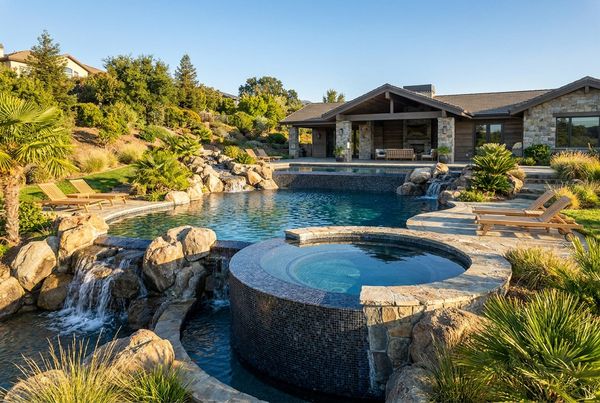

A sagging cover holding rain and leaves is the most common winter problem. A cover pump and a quick look after storms prevents a green spring.
PoolPad tracks 17 pool opening and closing companies across Oregon, with city lists for 5 markets. PoolPad orders the list with a weighted score that combines customer rating and review count, so a long track record counts for more than a handful of scores.
Fir and pine debris drive westside skimmer duty, wet-season decks need cleaning, and automatic covers reduce debris load. Eastside pools trade needles for dust and UV. Pools should be closed properly by October. The Willamette Valley swims mid-June through early September unassisted, with heat pumps stretching it meaningfully; Bend adds high-desert sun with cold nights, and Medford runs the state's hottest summers. Winters everywhere call for a full close.
The largest listed markets are Hillsboro (11 companies), Lake Oswego (11 companies), Portland (11 companies).
DIY closings save the service fee but need an air compressor or shop vac strong enough to clear the lines, the right plugs and a careful hand with the heater. One missed line that freezes can cost more than a decade of professional closings. Many owners split it: a pro blows out and plugs the lines, and the owner handles the cover and spring cleaning.
A professional closing in Oregon, OR typically runs $325–$600 and a spring opening $275–$475; booked together most companies price the pair at $550–$1,025. Startup chemicals add $80–$160 and cover cleaning $110–$215. A spa, heater, water features and in-floor cleaning systems add lines to clear and raise the price. Oregon rates are above the national baseline used for these estimates, mainly on labor and permitting.
Close when daytime water temperature stays below about 60–65°F but before the first hard freeze — typically late September through October in Oregon. Closing too early while the water is warm invites algae under the cover; closing too late risks a freeze in the equipment. Fir and pine debris drive westside skimmer duty, wet-season decks need cleaning, and automatic covers reduce debris load. Eastside pools trade needles for dust and UV. Pools should be closed properly by October.
Open once nights stay above freezing and the water is around 60°F or warmer — late April into May for most of Oregon. Opening early costs a little more in heating and chemicals but prevents the algae bloom that turns a late opening into a green-to-clean job. Book ahead: openings cluster into the same few weeks.
A full winterization balances and treats the water, lowers the level below the skimmer or returns, blows out and plugs every suction and return line, adds pool antifreeze where lines cannot be fully cleared, drains the pump, filter, heater, chlorinator and salt cell, removes and stores drain plugs and fittings, and installs the cover with a cover pump. Ask for the checklist in writing and keep it with your equipment records.
The outdoor season in Oregon runs mid-June through early September — about 3 months unheated. A full professional winterization each fall protects plumbing and equipment through the freeze, and spring openings cluster into the same few weeks. The Willamette Valley swims mid-June through early September unassisted, with heat pumps stretching it meaningfully; Bend adds high-desert sun with cold nights, and Medford runs the state's hottest summers. Winters everywhere call for a full close.
Rose City Pool & Spa LLC has the highest customer rating on this Oregon list at 5 stars across 103 reviews. PoolPad orders the list with a weighted score that combines customer rating and review count, so a long track record counts for more than a handful of scores.
In freezing climates, yes: lower the water below the return, remove or winterize the pump and filter, add a winter chemical kit and an air pillow under the cover to relieve ice pressure on the walls. Many service companies handle above-ground closings for less than an inground closing; the guides on PoolPad cover the DIY version step by step.
Water expanding in the plumbing and equipment cracks pump housings, filter tanks, heater exchangers and above-ground pipe — repairs that run from a few hundred dollars for a pump lid to several thousand for a heater. If a freeze is coming and the pool is still open, keep the pump running continuously; moving water resists freezing and most automation systems have a freeze-protect mode for exactly this.
If your property is near a state line, check the neighboring directories too.
Claim your free PoolPad listing, check openings and closings among your services, and get in front of Oregon pool owners before the spring and fall rush.