



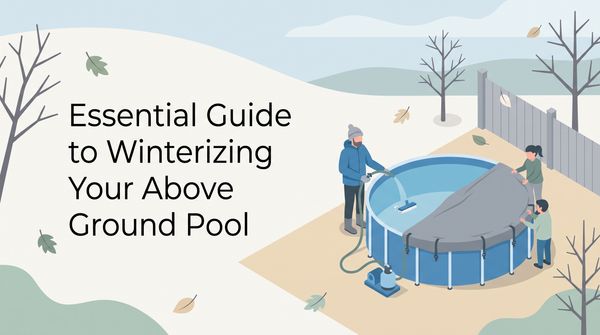
As the last warm days of summer fade and the leaves turn, you've got a new job on your list: winterizing your above ground pool. Get it right and your pool stays in good shape through the cold months, ready when the sun returns. It can feel like a big chore, but with the right approach it goes smoothly.
Maybe you remember your first time closing the pool, fumbling with covers and chemicals and hoping you weren't making a mistake. Preparation is what matters most. Protecting your pool from a rough winter isn't just about avoiding damage; it saves you from pricey repairs and spring headaches too.
Every step counts, from balancing the water to fastening the cover. Done well, these steps turn your pool into a fortress against the cold. Whether you're an old hand or brand new to this, these 11 steps will walk you through protecting your pool so it comes out of winter unscathed and ready for more summer memories.
Your Action Plan
- Deep clean the pool by vacuuming, brushing, and skimming.
- Test and balance the water: pH, alkalinity, and calcium hardness.
- Shock the pool and add algaecide, or use a winterizing kit.
- Drain and store the pump, filter, hoses, and accessories indoors.
- Fit a half-inflated air pillow and cinch down a tight winter cover.
- Check the cover through winter and pump off standing water.
Protect Your Pool Equipment

When winter creeps in, you need to protect your pool equipment from the cold. A little care now keeps your key parts in good shape until spring.
Store the pump and filter
Start with the pump and filter. Disconnect them and store them indoors, somewhere dry and sheltered where they can't freeze. If moving the sand filter feels like too much, at least pull out all the drain plugs so any trapped water can escape. That way it can't expand as it freezes and crack the filter.
Hoses, chlorinators, and salt cells
Don't forget the smaller pieces like chlorinators and hoses. Drain these too and store them out of the weather. A little effort now saves you the hassle of replacing rusted or cracked parts later. If you have a saltwater generator, check the manual for its own steps, which usually mean removing and cleaning the cell before you put it away.
Water left inside your pump, filter, or hoses can freeze, expand, and crack expensive equipment, so drain every part before the first hard freeze.
Winterize Your Pool Efficiently
Your above ground pool needs a little care so it comes out fine in spring, especially if you live somewhere the snow piles up.
Start with a deep clean. Vacuum, brush, and skim until the water sparkles. Leaving debris behind is like leaving crumbs out for pests.
Once it's clean, turn to water chemistry. Balance your pH, alkalinity, and calcium hardness. If you'd rather keep it simple, a winterizing chemical kit takes a lot of the guesswork out.
Don't skip the small stuff. Take down and store your accessories and equipment so they're ready for next season. Covering the pool comes last. Use clips and a cable to hold the cover tight, and add an air pillow to spread the weight of ice and cut down on damage.
Balance Water Chemistry Properly
Getting your water chemistry right is what carries your pool through winter without damage. Skip it, and come spring you could find a brittle liner or a green mess.
Aim for a steady pH of 7.4 to 7.6. That keeps the water from getting too acidic or too basic, both of which harm surfaces and gear. Alkalinity should sit between 100 and 150 parts per million (ppm), which is just a measure of how much of something is dissolved in the water. It buffers against sudden pH swings.
Calcium hardness matters too. Aim for 175 to 225 ppm. Too soft, and the water pulls calcium from the pool walls. Too hard, and you'll be scrubbing off chalky deposits. Nail these numbers and you set yourself up for an easy reopening.
Protect Pool Components From Damage
Most people focus on the cover and the chemical levels, but the mechanical parts need shielding too. You've already handled the pump and filter, so here give the skimmer some attention.
The skimmer takes the brunt of the ice and snow. A skimmer cover is your best bet to stop cracking and keep water from collecting and freezing inside. If a cover isn't an option, watch the weather and make sure any rain or snowmelt drains away properly.
Don't forget your pool's ladder and accessories. A quick rinse, a thorough dry, and a spot indoors will keep these from rusting or going brittle over the winter.
Balance Your Water Chemistry
By now you know the target ranges: pH between 7.4 and 7.6, alkalinity between 100 and 150 ppm, and calcium hardness between 175 and 225 ppm. Test your water and adjust with the right increasers or decreasers. If chemistry isn't your thing, a winterizing kit does the heavy lifting.
One thing worth adding here: give your pool a good dose of sanitizer before you close. That extra kick keeps bacteria in check through the dormant months. Early on, I cut corners on testing, figuring a quick glance would do, and I fought algae all the next spring. Those few extra minutes now pay off many times over.
Balanced water isn't about looks; it's what keeps your liner from turning brittle and your pool from opening green.
Test and Adjust Alkalinity
Alkalinity is the most overlooked part of water chemistry, and it's the backbone that holds pH steady. When alkalinity is off, pH bounces all over the place and can damage your pool.
Testing is simple. Use test strips or a liquid kit, and aim for readings between 100 and 150 ppm. If the number comes up short, add baking soda (sodium bicarbonate) or an alkalinity increaser. Too high? A little muriatic acid brings it back down. Sort out alkalinity first, and the pH adjustments that follow get much easier. A friend once skipped this step and opened his pool in spring to something closer to a swamp than a place to swim. Get your alkalinity dialed in now and you'll skip that shock when the snow melts.
Protect Pool with Winter Covers
Your pool needs a good winter cover to shield it from snow, wind, and endless falling leaves. Skip it and you risk turning your spring opening into a slog of debris removal and algae fights.
Pick something durable and tear-resistant, strong enough to hold the weight of snow and ice. Look for heavy-duty material, often with a UV-resistant coating that fends off winter sun. Get a cover with a secure fastening system, like a cable and winch, so it stays put no matter how wild the weather gets. I've seen a poorly secured cover rupture under the weight of ice, leaving the owner with a big repair bill and a soggy backyard. The right cover isn't an accessory, it's a necessity.
Secure and Store Pool Equipment
Skip storing your equipment and you could face surprise costs or a delayed start to next summer.
Clean and store your gear
Gather all your accessories, ladders, toys, and inflatables, and give them a good cleaning with a multi-purpose pool surface cleaner. Let each one dry completely, then store them somewhere dry and cool, out of the sun. Your pump and filter get the same care as before: drain, remove, dry, and store indoors. For the filter, keep the drain plugs together in the pump basket so they're easy to find in spring.
Fasten and monitor the cover
Once the cover's on, fasten it tight with a cable and winch, and think about adding winter cover clips for extra grip. Check the cover through the winter and clear off any snow or standing water, since that helps prevent damage.
Clean and Cover Your Pool
The last step is a thorough clean and a solid cover. Grab your vacuum and go over the floor, then use a wide brush to knock loose grime clinging to the walls. This clears out the spots where algae and mold like to grow.
For the cover, go with something sturdy and weather-resistant that can take gusty winds and heavy snow. Pull it tight with a cable and winch. If you have a deck, water bags add weight to hold the cover firmly in place. Skip the bricks and rocks; if they fall in, they can tear your liner. Keep an eye on the cover all winter and pump off excess water so it doesn't stretch or tear.
Winterize Your Above-Ground Pool
Winterizing comes down to a handful of steps done in order. Gather your tools first: pool brush, vacuum, skimmer, and a couple of test kits. Scrub every surface until no debris remains.
Then test and balance the water. Aim for a pH between 7.4 and 7.6, alkalinity near 125 ppm, and calcium hardness around 200 ppm. These numbers keep corrosion and scaling away from your liner and equipment.
Go the extra mile: add a winterizing chemical kit, shock the pool, and mix in an algaecide. Each one is a line of defense against a harsh winter. Finally, cover the pool with a sturdy winter cover, holding it down with clips and a cable for stability. Now step back and admire your work.
Balance and Test Pool Water
Grab reliable test strips or a liquid test kit. These show you the current state of your water. Aim for pH between 7.4 and 7.6, and alkalinity between 100 and 150 ppm, with 125 being the sweet spot. Calcium hardness should sit between 175 and 225 ppm to prevent corrosion or scaling. And chlorine should stay between 1 and 3 ppm unless you're using a different sanitizer.
A common trap is rushing the adjustments. Add chemicals slowly, then give the water time to settle before you test again. Setting your levels toward the high end of these ranges offsets the natural drift that happens over winter, keeping your pool in prime shape until the first warm breeze of spring.
Aim for the high end of each chemical range before you close, because water naturally drifts over the long winter.
Prepare and Secure Pool Cover
With the water balanced and the air pillow in place, it's time to roll out the cover. Spread it evenly, making sure it fully covers the air pillow if you're using one. It should be taut enough not to sag into the water, but not so tight that it tears under the weight of snow or rain.
On above ground pools, you usually secure the cover with a cable and winch that runs through loops along the edge. Tighten it until it's snug, but don't overdo it or you might damage the cover. For extra hold, add winter cover clips that attach to the pool railing, or water bags if you have a deck. Skip heavy objects like bricks. Keep a close eye on the cover through the winter and clear off any standing water or debris.
Store Pool Accessories Safely
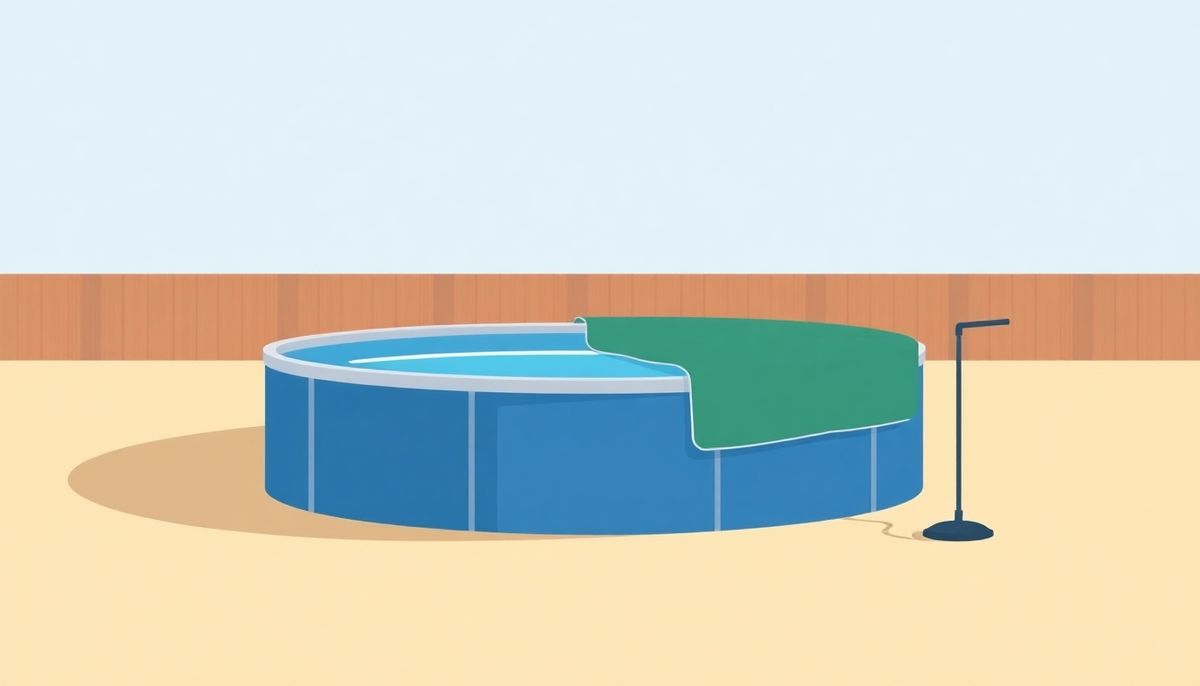
The accessories lying around the pool deserve some care too. Leave them out through winter and they won't be in great shape come spring.
Start by gathering all the toys, floats, and gadgets. Give them a good rinse to wash off leftover chlorine or grime; a gentle scrub with a multi-purpose pool cleaner can extend their life. Once they're clean, make sure they're fully dry before you store them, since damp conditions invite mold.
So where should they go? Pick a spot that's dry and out of direct sunlight. An attic or basement works great, but even a storage bin in the garage will do. Just keep them away from long stretches of extreme temperature to cut the risk of cracking or fading. A little effort here saves money and hassle when pool season rolls around again.
Secure Pool Equipment and Accessories
A forgotten ladder or leftover pool toy can turn into trouble, damaging your liner or going brittle in the cold. Round up all the loose items: ladders, floats, skimmer baskets, and anything else that comes off. Wash them with a multi-purpose pool surface cleaner, dry them completely, then store them somewhere dry and sheltered, out of direct sunlight.
Next, turn to your filter and pump. Drain all the water, remove any detachable parts, and store them indoors if you can. That prevents freeze damage and helps your gear last longer. With your pool cover installed properly on clips and a cable, you'll open in spring to a debris-free pool that's easy to manage.
Optimize Water Chemistry for Winter
As the temperature drops, the risk of scale and corrosion climbs if your water isn't where it should be. Adjust the pH to between 7.4 and 7.6, which keeps the water neutral enough to avoid both. Next, aim for alkalinity of 100 to 150 ppm. This buffers the pH and prevents sudden swings with the weather. Raise it with baking soda or lower it with muriatic acid.
Calcium hardness often gets overlooked, but it plays a big role in extreme cold. Aim for 175 to 225 ppm to protect against etching that can ruin pool surfaces. If all this balancing feels like a lot, a pre-packaged winterizing kit keeps your chemistry steady through the cold, usually with the right mix of algaecide, enzyme treatment, and shock.
Utilize Proper Winter Cover Techniques
The right covering technique shields your pool from the weather while cutting down on future maintenance.
Choosing and securing the cover
Pick a high-quality cover made specifically for above ground pools. These are built to stand up to wind, snow, and ice. Aim for a taut fit, since a saggy cover lets water pool on top and cause damage. Secure it firmly with durable winter cover clips and a cable and winch. If you've got a deck around the pool, water bags add weight and stability.
Why the air pillow matters
Put a half-inflated air pillow under the cover and it spreads out the weight of snow and ice, easing the strain on your walls and liner. It also nudges debris toward the edges, making spring cleanup easier. Through the winter, check the cover for standing water and use a cover pump to draw off the excess.
A half-inflated air pillow under the cover spreads the weight of ice and takes the strain off your pool walls.
Drain and Store Pool Lines
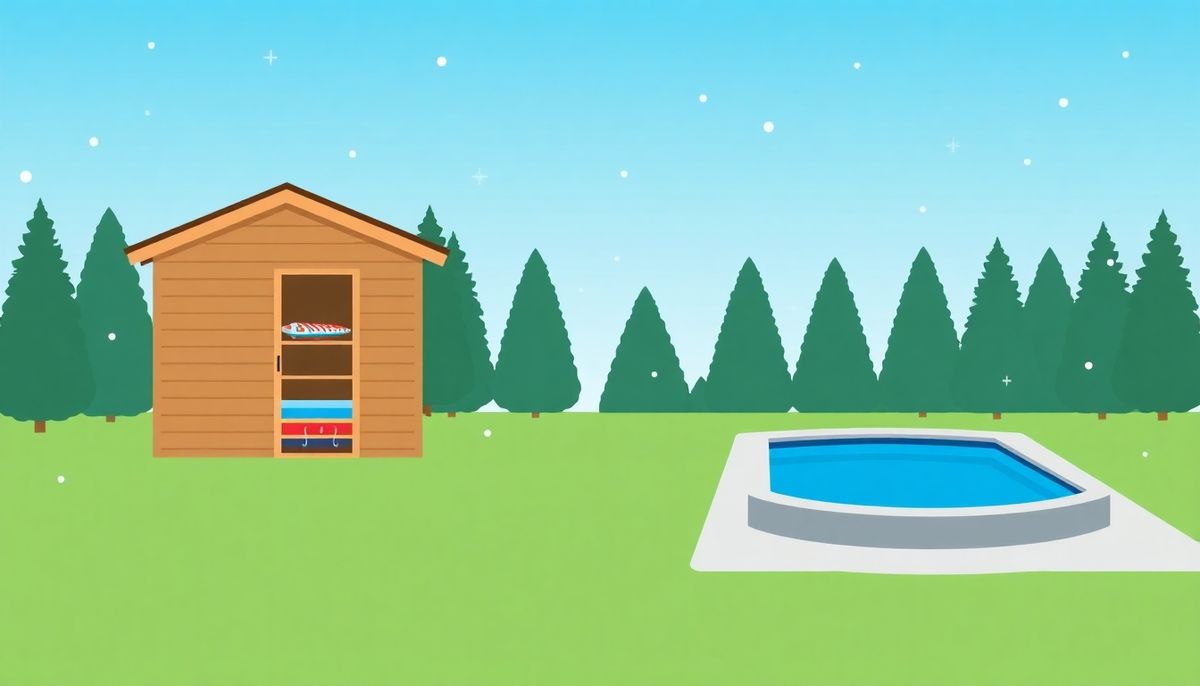
Those pool lines quietly did their job all summer, and now they need draining. Leave them full and freezing water can burst them, and that's a mess waiting to happen.
First, disconnect each line from the pool, pump, and filter. Once they're separated, let every drop of water drain out. A trick I picked up from my neighbor Marion, who's run her pool for over twenty years, is to give each line a gentle shake to make sure it's fully empty. Any trapped water can freeze, expand, and crack the line.
Let the lines air dry all the way. Rush this and you may find mold and mildew in spring. Store the dried lines somewhere cool and dry, like a garage or shed, out of the harsh weather. A winter break indoors extends their life and spares you surprise repairs.
Winterize Pool with Proper Cleaning
A thorough cleaning now means your pool wakes up in spring without nasty surprises. Start with a good vacuuming. Go over every inch of the floor, not just the high-traffic spots where you see footprints. Then brush down the walls to knock loose stubborn dirt clinging to the sides. A brush with a long handle and flexible bristles reaches the tricky corners. Skim the surface with a net to grab floating leaves.
This isn't only about looks. A clean pool is the foundation for balancing your water chemistry, which is what keeps winter from doing damage. Leftover organic matter feeds algae, and nobody wants to deal with that when the temperature climbs back up.
Conclusion
Nice work getting through a big chore. With the water balanced, the equipment stored, and the cover cinched down tight, your pool can rest easy through the cold, and you get the peace of mind that comes with knowing spring won't bring any ugly surprises.
What you need
Stock up on a good water test kit, a winterizing chemical kit with shock and algaecide, a half-inflated air pillow, and a heavy-duty winter cover with clips and a cable to close your pool the right way.