



The sun's high, the backyard's full of splashing, and then you spot it: a tear in the pool liner. Your first reaction might be panic, but there's no need. A quick fix is well within reach.
Mending your liner the right way saves more than the afternoon's fun. It can spare you a costly repair bill too. I ran into this trouble years ago and learned that a little prep and the right technique make all the difference. Success comes down to two things: knowing what your liner is made of, and having a patch kit built for underwater repairs.
Most pool liners are vinyl, so sharp objects, long hours in the sun, or off-balance water chemistry can all do damage. With a bit of know-how, anyone can patch them. Let's walk through the fast fix so the laughter keeps going.
Your Action Plan
- Run the bucket test to confirm it's a real leak, not evaporation.
- Use the ink method to pinpoint the exact spot.
- Apply waterproof tape or a peel-and-stick patch for small tears.
- Reach for a full underwater patch kit on bigger tears.
- Match the patch to your liner material, then keep up with maintenance.
Stop Pool Leaks Fast
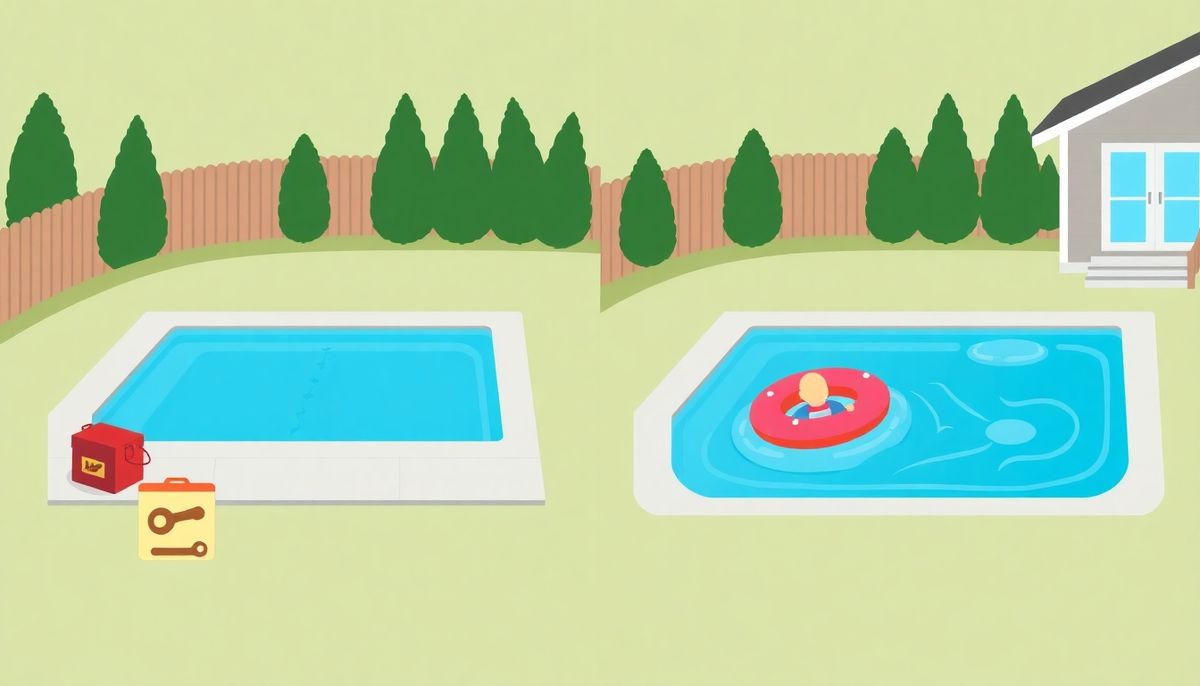
Finding a leak is a headache, but moving quickly keeps a small problem from becoming a big one. One summer my pool's water level dropped faster than usual. I blamed evaporation at first, until the soggy ground told a different story. With a little patience, I patched it before it turned into a costly mess.
Confirm it, then find it
First, make sure there's actually a leak. A bucket test tells a real leak apart from ordinary evaporation. Once you've confirmed it, don't panic. Most leaks are manageable. Try the ink method next: a drop of food coloring near a suspect spot drifts toward the leak and shows you exactly where it is. Then grab your patching materials. For a fast fix, waterproof tape works even underwater as a temporary barrier until you apply a proper patch.
A simple bucket test is the fastest way to tell a real leak from ordinary evaporation before you spend a dime on repairs.
Not all leaks are the same. Whether a patch holds depends on the size and spot of the tear, plus the age of your liner. Older liners spring leaks more often, so ask yourself whether patching is a stopgap or a real long-term fix. In my case, a good patch kit bought me time to plan for a new liner and kept the pool a summer favorite.
Identify and Locate Leaks
When your water level drops for no clear reason, figure out whether it's a real leak or just evaporation. The bucket test does this well: set a bucket of pool water on a step, mark the water levels inside and outside, and check after 24 hours. If the pool level drops more than the bucket's, you've got a leak.
Tracking down the exact spot feels like detective work, but the ink method makes it easier. Grab dark food coloring or leak-detection dye and slowly release it near suspect areas with the pump off. Watch closely. The dye gets pulled toward the leak and shows you where it's hiding.
I once found a stubborn leak tucked behind the pool ladder. It was sneaky, but the ink gave it away. Once you've found it, size up the damage. A small puncture might need only a quick patch, while a bigger tear calls for something sturdier.
Apply Temporary Fixes
When things go sideways, a fast temporary patch can save the day. I've raced out back, towel in hand, only to find the water suspiciously low. A quick fix buys you time to plan a proper repair. The trick is to act fast with the right materials.
Three quick fixes that work wet
Duct tape isn't pretty, but it sticks even underwater. Cut a piece bigger than the leak, press it down, and smooth it out. It won't last forever, but it holds long enough for a swim or two while you gather supplies.
Waterproof tape is a step up. It's built to handle water pressure and UV rays, so it holds better against surprise tears. It's clear and you can layer it, though it's best for smaller leaks since it may peel over time.
For something more refined that's still temporary, vinyl peel-and-stick patches are made for pools and inflatables. They're easy to apply and come in different shapes and sizes, which makes them great for small damage.
These fixes buy you time; they aren't permanent. Think of them as a bandage until you can give the liner the full treatment it needs.
Choose the Right Patch Kit
Picking the right patch kit is the difference between a quick fix and a lasting one. The number of kits out there can feel overwhelming, but once you know your pool's needs, the choice gets clearer.
Start with where the leak is and how big it is. For a small puncture on an inflatable ring or a minor tear in the vinyl, peel-and-stick patches are your best bet. They're often real vinyl, pre-cut into circles to cut down on peeling, and perfect for small repairs.
For bigger or more stubborn tears, get a full patch kit. These come with larger vinyl sheets and adhesive you can apply underwater, which forms a strong bond even when submerged. That matters when draining the pool isn't an option. Some kits include PVC material for extra support, handy for above-ground pools.
Match the patch kit to your liner material, whether vinyl, laminated PVC, or something else, or the seal won't last.
Choose well, and you'll get more splash time with less hassle.
Master Pool-Liner Repair

Standing by the pool while water quietly drains away is a frustrating way to start a swim day, but repairing a liner is simpler than it looks. With the right tools and a little patience, you can turn panic into a skill.
Start by ruling out evaporation. Place a water-filled bucket on a step and compare how much each loses. Once you've confirmed the leak, find it with the ink method. A few drops of dye around suspect areas reveal the culprit by drifting toward the hole.
Match the fix to the tear
With the leak found, size up the damage. If your liner is still fairly young and strong, a patch can hold well. For small holes, waterproof tape or peel-and-stick patches work great, and you can apply them wet, which saves you from draining the pool.
For larger tears or if you want real durability, reach for a patch kit. The adhesive is made for underwater repairs, so the fix stays secure. A second layer adds peace of mind, but let the first patch fully cure before you double up. Remember, patches are temporary. They give you room to enjoy the pool while you plan a permanent fix.
Identify-Leaks-Effectively
Water quietly disappearing is often the first sign of a leak, and finding the exact spot is your first step toward a fix. Start by looking over the pool's surface for visible damage. A small tear or puncture can hide in plain sight, so look carefully. A magnifying glass helps you catch tiny flaws.
For leaks you can't see, the bucket test comes to the rescue. Fill a bucket with pool water, set it on a step, and mark the levels inside and out. After 24 hours, compare the two. If the pool dropped noticeably more, you've got a leak.
Then the ink method narrows down the exact spot. Add a few drops of dye near likely sites and watch it drift toward the leak. This works wonders for hard-to-reach places like seams and fittings. Acting quickly doesn't just save water. It heads off expensive structural damage and keeps your pool in good shape.
Choose-the-Right-Patch
Choosing the right patch is like grabbing the right tool for a job. Think of a flat tire on a road trip: quick thinking and the right gear make all the difference. A pool liner is just as urgent, and your patch has to suit both the kind of leak and the liner material.
First, look at the nature of the tear. Tiny punctures from twigs and sharp bits might need only a simple peel-and-stick patch, which you can apply right underwater. It's about as easy as putting a bandage on a small cut.
For bigger holes or trickier tears, a full patch kit is the way to go. These usually include vinyl patches and reliable underwater adhesive. Make sure your patch is at least two inches larger than the tear so it holds securely. And if you keep running into the same trouble, heavy-duty laminated PVC patches hold up under stress, even if they take more work to apply. A little time on the right patch now prevents bigger problems later.
Maintain-Your-Pool-Liner
Sitting at the edge of the pool with your toes in the water is one of summer's simple pleasures. A vinyl liner needs regular care to last.
Watch the high-stress spots
Check your liner routinely for wear or fading. Catching small problems early keeps them from turning into big ones. Watch for tears and holes near the stairs and fittings. Those areas take more pressure from the weight of the water, so they're prone to damage.
While you're at it, think about water chemistry. Harsh, unbalanced water wears a liner down and can turn the vinyl brittle, so keep your pH and chlorine in range. A good pool cover is worth the money too, since it shields the liner from UV damage and debris.
If you like a spotless floor, regular vacuuming is a must. Dirt and algae look bad and can harbor bacteria that weakens the liner, so use a gentle touch so you don't puncture it. The heart of pool care is consistency. A little attention keeps your favorite summer spot ready for countless swims.
Discover Efficient Patch Techniques
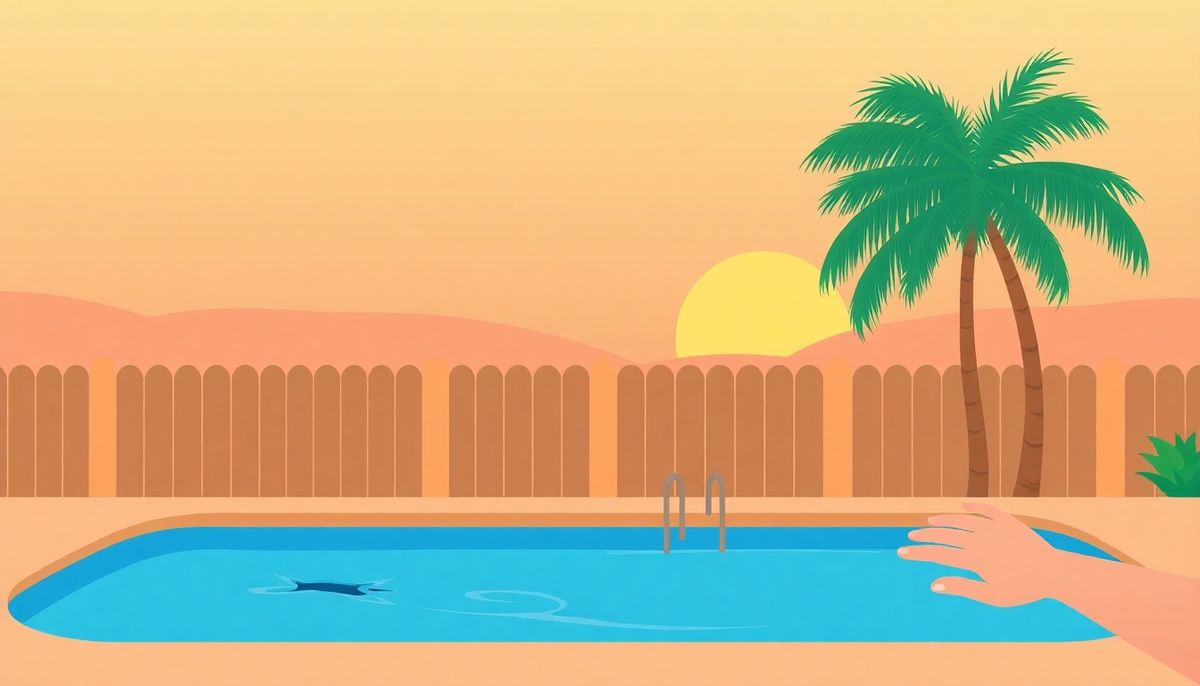
When a liner springs a leak, quick patching becomes your best friend. A few tried-and-true methods can turn a soggy backyard into a manageable fix.
First, look at the size and spot of the leak. A smaller puncture near the top might need only a bit of waterproof tape, which you can apply underwater for a temporary seal. It's like duct tape with a superpower against water, great for small tears in low-traffic areas.
For a sturdier repair, peel-and-stick vinyl patches are hard to beat. They often come pre-cut into circles, which cuts down on peeling at the edges. Just clean the area, peel off the backing, and press the patch over the leak. A neighbor of mine swears by this for an above-ground pool and has kept a troublesome corner dry for years.
For larger tears, go with a patch kit that includes a vinyl piece and special adhesive. It takes a bit more finesse, but it gives you a stronger bond underwater. Always make the patch at least two inches bigger than the tear so it holds firm.
Identify Leak Sources
Finding the source of a leak turns a soggy problem into a manageable job. First, scan the obvious spots: fittings, seams, and around the accessories where wear is common. These take the brunt of the water's pressure and movement, so they're likely culprits.
Next, run the bucket test to rule out evaporation. Bucket on a step, mark inside and out, compare after 24 hours. If the pool dropped more than the bucket, you've got a leak.
Once you're sure, grab your mask and snorkel for a closer look if it's safe. A slow swim around the edge can turn up damage you didn't expect. And remember the ink trick? Release a few drops of dye near suspect areas and watch it get pulled toward the tear. Patience pays off. Finding the exact source means a better repair and a longer life for your liner.
Choose the Right Patch Method
When you spot a trickle or a growing puddle, picking the right patch method matters, and the main decision comes down to size and location.
For minor punctures under an inch across in a low-traffic spot, peel-and-stick patches usually do the job. They're easy to use and work like a stick-on bandage, perfect for those urgent moments.
For larger or more persistent leaks, a patch kit is often the better call. You can custom-cut the patch to cover a bigger tear and reinforce the area with durable vinyl adhesive. It's a bit like patching a bike tire: simple, but it takes a steady hand and patience to get a watertight seal.
Your liner's material matters too. Vinyl pools do well with vinyl-specific adhesive patches, while Intex-style pools may need PVC. Waterproof tape is tempting because it's so versatile, but it's a temporary measure, best for emergencies or underwater stopgaps until you can apply a permanent fix.
Extend Liner Lifespan
Every summer the water begs for a dive, but under those sparkling waves is a liner that needs attention. Making one last comes down to steady, small habits.
Handle it gently
Keep sharp objects and rough play away, since both can cause surprise rips. A playful dog, excited by all that blue, can quickly turn a swim day into a patching marathon. Regular cleaning matters too. A sponge and mild detergent keep the liner free of algae and grime, which weaken it over time. I once let this slide and realized too late that algae had settled in and caused tiny holes that became stubborn leaks.
Temperature control plays a part as well. Hot summers can make vinyl brittle, so a solar cover shields it from harsh UV rays. In winter, a sturdy cover guards against the freezing that leads to cracks. An insulated cover is a good buy in colder climates and can save a liner many times over.
Early detection beats every quick fix, so inspect the liner regularly and patch small problems before they grow.
Prevent Pool Damage Now

A spongy patch of lawn or an unexpected cascade from your pool is enough to worry any owner. Left unchecked, a liner leak can go from a simple nuisance to a property-damaging mess.
A leak at the base of an above-ground pool doesn't just threaten the water level. It risks a structural collapse. If thousands of gallons escape at once, your yard becomes a muddy mess that can wreck landscaping or nearby structures. An inground pool leak can wash out the soil under your deck, leading to instability or even a cave-in. Rust can eat away at steel frames, while concrete pools face erosion.
Quick action is key. Waterproof tape applied underwater can stop further water loss until you make a permanent repair. Keep a close eye on your water level and use the bucket test to confirm a leak before it grows. By moving fast, you protect both your pool and the integrity of your home and garden.
Identify and Fix Leaks
A quiet afternoon can turn into a problem-solving session the moment you spot a suspiciously wet patch on the ground. Fixing a liner leak isn't just about patching. It's about understanding what kind of leak you have and dealing with it early.
Start by confirming there's a leak. By now the bucket test should be second nature: bucket on a step, mark the levels, compare after a day. If the pool drops more, you've got a leak.
Pinpointing the exact spot takes patience, and the ink method tracks water movement near suspect areas. Once you find it, think about size and location. Small punctures in low-traffic zones are usually easy to patch with waterproof tape or a vinyl patch kit made for underwater use, which spares you from draining the pool. A patch is only as good as the way you apply it.
Choose the Right Patch
Picking the right patch is like choosing the right tool for a precise job. Each type has its strengths.
Waterproof tape is the duct tape of the pool world: versatile and simple. It works for minor leaks and goes on both dry and underwater, though it may peel over time on bigger tears.
Peel-and-stick patches, made from real vinyl, are another easy option. They often come pre-cut in circles to keep peeling to a minimum, and they're ideal for small punctures. You peel off the backing and press them onto the leak for a quick, effective fix.
For larger tears, patch kits are the more durable choice. These usually include vinyl pieces and special adhesive that works underwater. The clear or blue vinyl blends into your pool, so the patch stays less noticeable. Think about the location and size of the leak when you choose. The right pick fixes the immediate problem and adds real life to your liner.
Maintain Your Pool Liner
Caring for your liner isn't just about fixing leaks. It's about preventing them. Regular maintenance saves you from surprise water loss and the headache of quick fixes.
Start by keeping the pool clean. Leaves and twigs can cause tears if you let them sit, so use a skimmer net daily and cover the pool when it's not in use. Steady water chemistry is another big one. Unbalanced water wears down vinyl over time, so check your pH, alkalinity, and chlorine regularly. In my experience, a weekly check keeps the liner elastic and free of wear.
Inspections matter too. Walk around the pool and look the liner over, watching for small bubbles, wrinkles, or discoloration that can signal trouble. Catch a problem early and you can often patch it before it grows. Finally, handle the liner with care. A stray vacuum head or ladder can do damage if you're rough with it.
Choose the Right Patch Solution

Choosing the ideal patch is like reaching into a toolbox for the right one. What you need depends on the type and location of the tear.
Vinyl patches are a go-to for many, with a simple peel-and-stick approach. They're perfect for minor punctures that look more like a mosquito bite than a gaping wound, and their quick application helps when the leak is at an awkward angle.
When the damage looks more serious, a patch kit is your best ally. These come with vinyl material and underwater-friendly adhesive for a sturdier fix, so you're not just slapping a bandage on a deeper problem. There's real satisfaction in watching your pool settle down under a well-applied patch.
Waterproof tape wasn't made for pools, but it's a versatile option for quick, temporary fixes and holds its own on smaller breaches. Each solution has its strengths, and matching the right remedy to the problem, whether the tear is in a low-stress area or right on the stairs, points you to the best choice.
Evaluate Leak Severity
Sizing up how serious a leak is can feel like detective work with a ticking clock. Not all leaks are equal. Some are slow drips, while others drain your pool fast. Understanding how bad it is really matters before you start repairs.
A gentle trickle might look harmless, but even small leaks grow into big problems if you ignore them. Water seeping into the ground from an inground pool can undermine the foundation and open the door to costly structural damage. In above-ground pools, water loss can weaken a wall or cause a collapse if left alone.
When a neighbor's liner developed a small crack near the steps, the fallout was worse than expected. What looked manageable turned into major water loss and took a toll on the surrounding landscaping. Before you reach for any quick fix, evaluate the leak. Consider its location and the overall condition of the liner. A tiny tear might be fine with a simple patch, but larger or repeat leaks can mean the liner is nearing the end of its life.
Conclusion

Now that you know how to handle a surprise leak, you can keep your pool in prime shape all season long.
Want to become a pool maintenance expert? Our free Pool School course covers everything you need to know about pool care. From basic maintenance to advanced troubleshooting, you'll learn how to:
- Save thousands on pool repairs and chemicals
- Keep your water crystal clear year-round
- Prevent and solve common pool problems
- Master water chemistry with confidence
Join over 10,000 pool owners who have already transformed their pool care routine. Get started with our free Pool School course today!
What you need
Keep a bucket and food coloring on hand to confirm and locate leaks, plus waterproof tape and a vinyl patch kit rated for underwater use for the actual repair.