
Texas · Local Pros · Updated 2026
Review 368 pool service and maintenance companies across Texas in 72 city directories, with customer ratings, 2026 weekly-service rates, and a care calendar for the local climate.
The order uses a weighted mix of customer rating and review count; open a city below for the full local list. Confirm current credentials, availability, and scope directly.

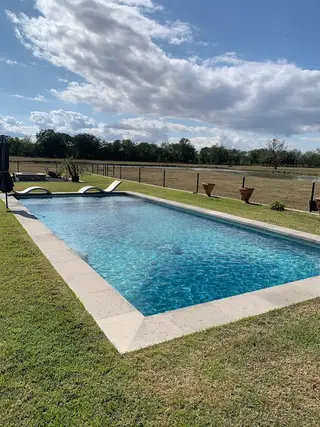
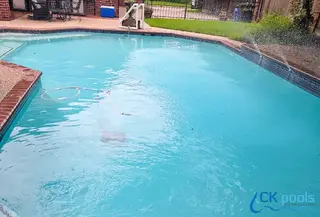


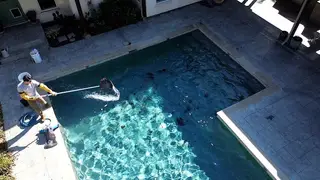




Choose a local list for customer ratings, review counts, weekly-service rates, and seasonal guidance. Cities are sorted by listed company count.
A monthly plan with weekly full-service visits in Texas typically runs $115–$240 / month — about $30–$60 / visit — when chemicals, skimming, brushing, baskets, and an equipment check are included. Statewide rates are close to the national baseline used for these estimates:
| Service | Typical Texas price |
|---|---|
| Monthly plan (weekly visits) | $115–$240 / month |
| Single visit / one-time clean | $30–$60 / visit |
| Green-to-clean recovery | $275–$550 |
| Filter deep-clean (add-on) | $75–$150 |
Most Texas pools never close — weekly service runs year-round with a lighter winter cadence. Spring oak and pecan pollen loads up filters, summer heat pushes chlorine demand hard, and hard water across Central and West Texas creeps calcium up all season. A good tech watches scale and stabilizer, not just chlorine.
Confirm filter cleaning, salt-cell service, minor parts, storm cleanups, and repair-call labor before comparing monthly rates. Between visits, Pool School covers the chemistry, and the volume calculator sizes doses to your pool.

Use this calendar to ask how a service plan changes through the year:
Keep the visit reports and compare them with your own test log. Pool School covers water chemistry and maintenance routines.
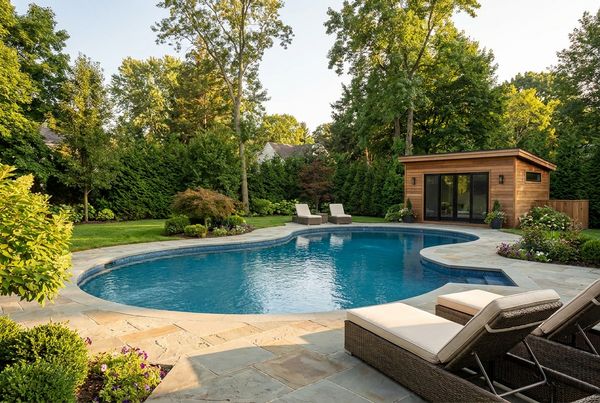
Ask the technician to document the pump, filter, heater, salt cell, and automation before pricing an upgrade.
Texas combines a long swim season, large suburban lots, and a deep pool-construction market. Builder options are plentiful, but soil and rock conditions change quickly by region, so compare site assumptions as closely as the shell price.
PoolPad tracks 368 pool service and maintenance companies across Texas in 72 city directories. Lists are ordered with a weighted score that considers customer rating and review count; route scope and reliability still need to be confirmed directly. The largest listed service markets are Grapevine (143 companies), Dallas (141 companies), Southlake (141 companies).
Ask for a written visit checklist and price sheet. Confirm test reporting, skipped-visit policy, repair response time, hourly labor, common-parts billing, and insurance. During march through october, ask how the company handles peak-route capacity. For a saltwater pool, get the salt-cell inspection and cleaning schedule in writing. The maintenance guides cover the regular visit checklist.
Spring: pollen and storm debris load filters as the water warms, so check baskets and filter pressure more often. Summer: heat and swimmer load increase sanitizer demand; keep the weekly schedule and test between visits after heavy use. Fall: manage debris and inspect equipment. Winter: pools stay open on a lighter cadence, making this a practical time for repairs and upgrades.
Use these ranges to plan, then get an equipment-specific diagnosis and itemized quote. In Texas, where rates are close to the national baseline used for these estimates, typical costs are:
With no annual close in Texas, schedule an annual equipment inspection covering pump seals, filter internals, heater components, valves, salt cells, and automation settings.
A monthly plan with weekly full-service visits in Texas typically runs $115–$240 / month (about $30–$60 / visit) when chemicals, skimming, brushing, and equipment checks are included. A green-to-clean recovery runs $275–$550, and filter deep-cleans $75–$150. Route density, pool size, and features affect the quote.
No — pools in Texas typically run year-round with a lighter winter cadence instead of a close. Most Texas pools never close — weekly service runs year-round with a lighter winter cadence. Spring oak and pecan pollen loads up filters, summer heat pushes chlorine demand hard, and hard water across Central and West Texas creeps calcium up all season. A good tech watches scale and stabilizer, not just chlorine.
The typical outdoor season runs March through October — about 7 months of unheated swimming, with heaters stretching both shoulders. Summers run 95–105° for weeks at a stretch, and most of the state swims from March into late October. Pools stay open and running through winter — the trade-off is that chlorine demand and evaporation in July and August are among the highest in the nation.
Weekly service is the common starting point through the swim season (March through October). Off-peak schedules should match Texas's winter pattern and the way the pool is operated. Ask what testing or equipment checks still happen between full visits.
PoolPad currently tracks 368 pool service and maintenance companies across Texas, with city directories for 72 markets. Open a city page for the local ranking and typical route rates.
Rankings use a weighted score combining customer rating with review count, so a longer review history carries more weight than a few scores. Shortlist two or three companies, then ask each to price the same pool, visit checklist, and add-ons.
If your property is near a state line, check the neighboring directories too.
Claim your free PoolPad listing, update your service details, and show Texas pool owners the work you handle.