
Texas · Above-Ground Pool Installers & Dealers · Updated 2026
A swimming pool this season without a construction project: 8 above-ground pool installers across Texas, ranked by rating and review count, with what an above-ground pool costs installed in Texas this year. City lists cover 20 Texas markets.
The order uses a weighted mix of customer rating and review count; open a city below for the full local list. Confirm current credentials, availability and scope directly.
Choose a local list for customer ratings, review counts, 2026 prices and the questions to ask. Cities are sorted by listed company count.
A 24-foot round pool kit runs $2,500–$7,000 and professional installation in Texas adds $1,500–$4,000, so a complete installed pool with pump and filter typically lands between the two kit prices plus labor. Semi-inground pools and decks are the big step up:
| Job | Typical Texas price |
|---|---|
| Round pool kit (about 24 ft), walls, liner, pump & filter | $2,500–$7,000 |
| Oval pool kit (about 15×30) | $4,000–$10,000 |
| Semi-inground pool, installed | $8,000–$20,000 |
| Professional installation (kit assembly, liner, equipment) | $1,500–$4,000 |
| Site prep and leveling | $500–$2,000 |
| Electrical (GFCI circuit, bonding) | $500–$1,500 |
| Deck or platform around the pool | $3,000–$15,000 |
| Equipment upgrades (heater, salt system, robot) | $600–$3,500 |
| Liner replacement, later (every 5–9 years) | $600–$2,000 |
Texas labor is close to the national baseline used for these estimates; pool kits are priced nationally. Wall gauge and resin-versus-steel frames, a sloped yard that needs leveling, and the deck decide most of the spread between quotes.
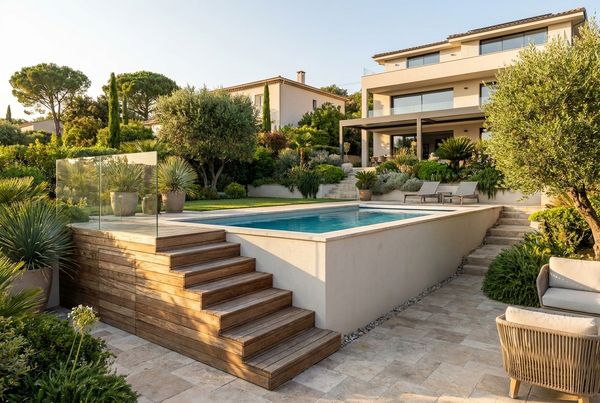
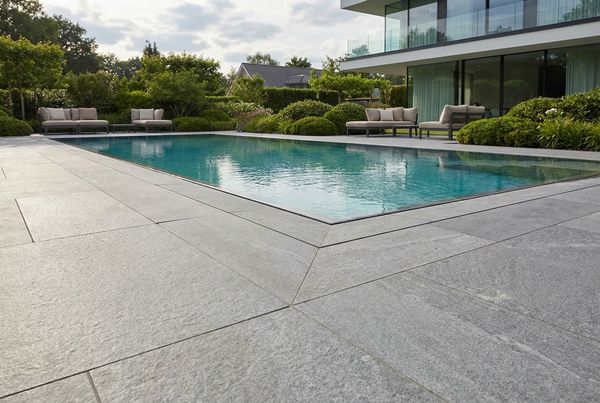
A pool set within an inch of level lasts; one set on a slope stretches the liner and buckles the wall. Pay for the site prep.
PoolPad tracks 8 above-ground pool installers across Texas, with city lists for 20 markets. PoolPad orders the list with a weighted score that combines customer rating and review count, so a long track record counts for more than a handful of scores.
In Texas an above-ground pool can run most of the year; shade, a heater or solar cover and a variable-speed pump turn an inexpensive kit into a pool the family actually uses.
The largest listed markets are Baytown (3 companies), Friendswood (3 companies), League City (3 companies).
Buy from a dealer that installs what it sells or hires a crew that does: a level base, a wrinkle-free liner and a correctly sized pump are what separate a 15-year pool from a two-season one. Check your city's permit and fence rules before the pool is ordered.
A 24-foot round kit runs $2,500–$7,000 and an oval kit $4,000–$10,000; professional installation in Texas, TX adds $1,500–$4,000 plus $500–$2,000 for site prep and $500–$1,500 for the electrical. A semi-inground pool installed runs $8,000–$20,000, and a deck $3,000–$15,000. Texas labor is close to the national baseline used for these estimates.
A quality steel or resin pool lasts 10 to 20 years; the liner is the wear item at five to nine years, and the pump and filter last eight to twelve. Keeping the water balanced, the pool full and the frame away from sprinklers and chemicals stored nearby is what extends it.
Most crews level the site and assemble a round pool in one day, with the liner set and the pool filling by evening; ovals and semi-inground pools take two to three days, and a deck is a separate job afterward. Filling takes 12 to 36 hours depending on size and water pressure.
Many cities require a permit and a barrier for any pool more than 24 inches deep, and nearly all require the electrical to be permitted and bonded. Walls over 48 inches often count as part of the barrier if the ladder is removable or lockable. Texas has no statewide license for swimming pool contractors, so contractor checks fall on you: confirm general liability and workers' comp certificates, and make sure a licensed electrician pulls the electrical permit. Cities and counties enforce their own pool permits and barrier or fence ordinances, and since the 2021 freeze most builders specify freeze protection on equipment.
The prime outdoor season in Texas runs March through October — roughly 7 months of comfortable unheated swimming — and pools stay open and running year-round rather than being winterized. Summers run 95–105° for weeks at a stretch, and most of the state swims from March into late October. Pools stay open and running through winter — the trade-off is that chlorine demand and evaporation in July and August are among the highest in the nation.
Texoma Country Pools and Spas has the highest customer rating on this Texas list at 4.8 stars across 426 reviews. PoolPad orders the list with a weighted score that combines customer rating and review count, so a long track record counts for more than a handful of scores.
Only pools built for it — semi-inground models have reinforced walls designed for backfill. Burying a standard above-ground pool voids its warranty and can collapse the wall when it is drained. Semi-inground pools cost more than above-ground kits but far less than a full inground pool.
A handy owner can assemble a round kit on a level site in a weekend, but leveling, liner setting and the electrical are where most DIY pools go wrong. Professional installation is a fraction of the pool's price and most dealers' warranties assume it.
If your property is near a state line, check the neighboring directories too.
Claim your free PoolPad listing, check above-ground among the pool types you install, and show Texas families shopping for a pool this season what you carry.