



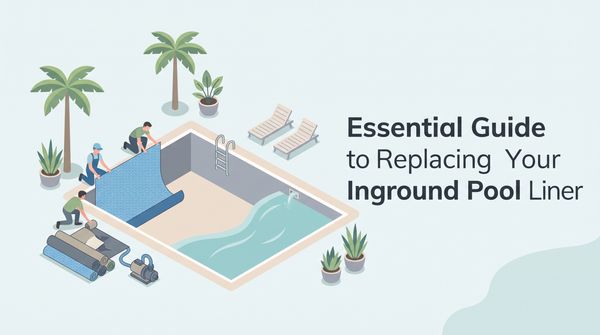
For a lot of us, an inground pool is the heart of summer—a shimmering spot that turns an ordinary backyard into a personal getaway. But over the years, the one part that keeps the water where it belongs starts to show its age. That's the pool liner, and knowing when and how to replace it saves you headaches and money.
When my own liner started to fade and crack, I faced a decision I hadn't planned for. The once-bright blue had gone dull, and small leaks kept turning up. I learned that liners usually last 10 to 15 years, though that shifts with your weather and how well you keep up with maintenance.
One morning I spotted a stubborn leak near a seam, and that sealed it. A damaged liner does more than lose water. Left alone, it can lead to structural trouble too. Replacing a liner sounds intimidating, but with the right know-how and timing, it's doable. Once you learn to spot the signs of wear—fading color, cracks, and leaks that won't quit—you'll be ready to keep your pool in great shape for many more seasons.
Your Action Plan
- Watch for fading, blisters, and water loss over an inch a week.
- Confirm suspected leaks with a simple food-coloring dye test.
- Balance your water and keep chlorine in the 1.0 to 3.0 ppm range.
- Shield the liner from sun, sharp debris, and pet claws.
- Measure your pool at several points, checking depth too.
- Choose virgin vinyl and hire a pro for tricky installs.
Identify Pool Liner Damage
Pool liners are the unsung heroes of the backyard, but that toughness only lasts so long before wear shows up. Catching it early keeps a small annoyance from becoming a big problem.
Watch the water level and listen
A small drop in the water level might not seem like much. But if you're losing more than an inch a week, that's the liner waving a red flag. Leaks often start tiny and slip past you until they affect the water level, the structure, and the ground around the pool. Do a dye test near any spot you suspect: squeeze a little food coloring into the water near the tear and watch. If the color gets pulled toward the spot, you've found your leak.
Use your ears too. Trickling water when the pool is still is a dead giveaway.
Look for fading, blisters, and tears
A good look around can turn up early trouble. Check for spots where the liner looks faded, brittle, or blistered. Those can spread into tears, especially with the constant expanding and shrinking from changing temperatures. Even a harmless-looking scratch from a pet's claws or debris can cause problems later. A patch kit buys you time, but learn to tell when the liner's little hints turn into a real cry for replacement.
Losing more than an inch of water a week is your liner's clearest signal that something's wrong.
Prevent UV Damage
Sunshine feels great, but its UV rays have other plans for your pool liner. Over time, all that exposure fades the vinyl and, worse, weakens it—making it brittle and easy to tear. It's like leaving a favorite book out in the sun: the cover fades and the pages get fragile. So how do you help your liner survive the glare?
Cover up and go easy on the chlorine
Start with a good pool cover. It shields the liner from UV and keeps debris out, so you'll clean less often. Use your chemicals wisely too. Chlorine keeps the water clean, but too much speeds up how fast the liner breaks down. Test the water regularly to keep everything balanced.
Add extra shade
Consider UV protectant sprays made for vinyl. They add another layer of defense, like sunscreen for your pool. And if your budget allows, a partial or full shade structure protects both swimmers and the liner. These steps keep the color fresh and help the liner last longer.
Address Chemical Exposure
Pool liners are tough, but they take a lot of chemical exposure. Keeping the water clean is a must, yet the way you do it can wear the liner down. Chlorine sanitizes, but in excess it breaks the liner down. This creeps up slowly, often unnoticed until you spot brittleness or tiny cracks.
Think of a favorite shirt worn thin after too much bleach. The same idea applies to your liner. It's a delicate balance: too little chemical and you risk bacteria, too much and the liner pays for it. So testing and balancing the water should be a regular habit. Get a good test kit and watch pH, alkalinity, and calcium hardness.
It's also worth looking at alternatives or add-ons to chlorine, like saltwater systems or UV sanitation. These can be easier on the liner while keeping the water clean. Stay ahead of chemical exposure and you'll stretch the life of your liner while keeping the pool safe and fun.
Protect Against Physical Hazards
Pool liners take a beating just by doing their job, and certain physical hazards wear them out faster. A smart owner knows how to guard against them.
Keep debris and weather out
Picture a neighbor mowing near the fence and kicking up a sharp rock. One stray stone can hit hard enough to puncture your liner. A simple fence or barrier around the pool can catch flying bits and keep the vinyl intact.
Weather is another constant threat. I remember one summer storm when heavy branches came crashing into my backyard, leaving a mess of leaves and broken limbs. Trimming trees regularly and tying down loose items before bad weather heads off the same trouble.
Mind your pets
And don't forget our furry friends who love the water. Their excitement can get expensive. Trimmed nails and supervised swims keep your dog a friend to the pool, not a threat to the vinyl. Keep these hazards in check and you'll get more splash-filled summers with less worry.
Protect Your Pool Liner
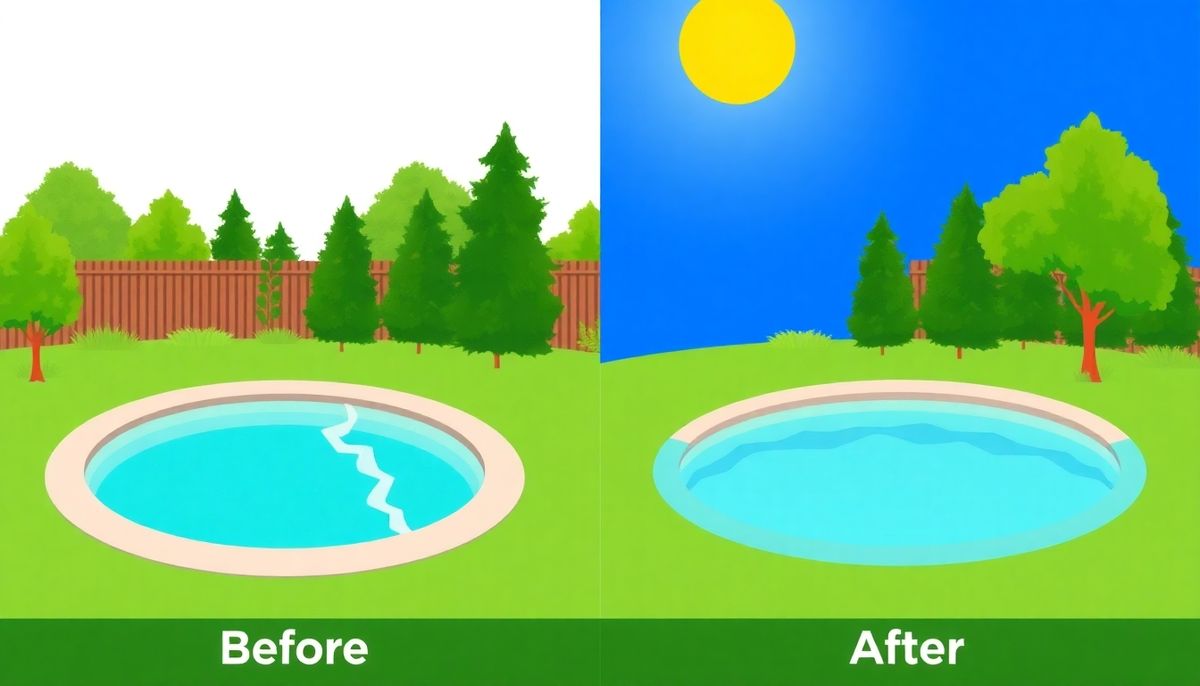
It's easy to ignore a pool liner when you're busy balancing water or keeping the pump and filter running. But this workhorse holds everything together, keeping the water right where it belongs. Protecting it spares you the cost of an early replacement.
Start by managing sun exposure. A solar cover cuts UV damage, reducing bleaching and brittleness. It's a small buy that keeps the liner bright and flexible for years. Chlorine fights bacteria, but overused it wears the liner down, so keep the levels balanced. Test the water regularly and adjust to hit that sweet spot.
Physical damage is another threat. Watch for sharp objects that sneak into your pool, whether from a mowing mishap or a windy storm. A cover when the pool's not in use guards against surprise debris. And don't forget your pets. Dogs love a cool dip, but their nails can tear the liner, so set up a specific swim area or trim their nails before they jump in.
A solar cover is one of the cheapest ways to slow down both UV damage and debris in one move.
Minimize UV Damage
A new liner can feel like a fresh start, but the sun's ultraviolet (UV) rays are a sneaky opponent, slowly eating away at how long it lasts. It's easy to miss how much sunlight affects your pool, since a sunny day is exactly what makes you want to swim. But UV rays don't just tan skin. They bleach and weaken vinyl too, especially around the waterline where the sun hits hardest.
Years ago, I learned this the hard way. After noticing the top edge of my liner looking washed out, I realized the constant glare had made it brittle. A good pool cover cuts that damage a lot. It shields the liner when the pool isn't in use and helps hold the chemical balance, so you're not adding extra chlorine that wears things down faster.
You might also plant shade trees or put up a canopy. They'll cast shadows over the pool without getting in the way of your swims. A liner might look sturdy, but a little sun protection now stretches its life and keeps the pool looking bright longer.
Control Chlorine Levels
Getting your chlorine right is a balancing act. Too little and you end up with murky water. Too much and your liner takes the hit. Over-chlorination might not seem like a big deal at first, but over time it wears the liner out early, leaving you with costly replacements sooner than you'd like.
Take the neighbor who figured extra chlorine would save time. They replaced their liner within a few years. Chlorine is a strong ally for a clean pool, but moderation matters. Check your levels regularly with a reliable test kit and aim for 1.0 to 3.0 parts per million (ppm). It's a small habit that adds years to your liner's life.
You can also look at gentler ways to keep the pool clean. Saltwater systems offer steady sanitizing with less wear. Or use a pool cover when you're not swimming. It keeps out debris and cuts chlorine loss from sunlight. Give your liner the care it deserves and it'll keep doing its job.
Prevent Pet-Related Scratches
Scratches from pets usually start with playful afternoons in the sun. Our furry friends love hopping in and out, with no idea there's delicate vinyl under their paws. One summer, my golden retriever, Max, took a flying leap into the pool every chance he got. His excitement was contagious, but his nails left a trail of tiny scratches across the liner.
The first fix is keeping your pet's nails trimmed. It's not just about looks. Shorter nails are far less likely to pierce the liner. A pet ramp or pool stairs gives your buddy a safer way in and out, which cuts the risk of clawing up the wall.
Another tip is to set aside a specific spot for your pet to splash around. Steering their energy to one section helps you manage how they interact with the pool, and keeping that area clear of sharp toys helps too. With a little planning, you can give your pets a fun swim and still get a long-lasting liner.
Choose Quality Replacement Materials
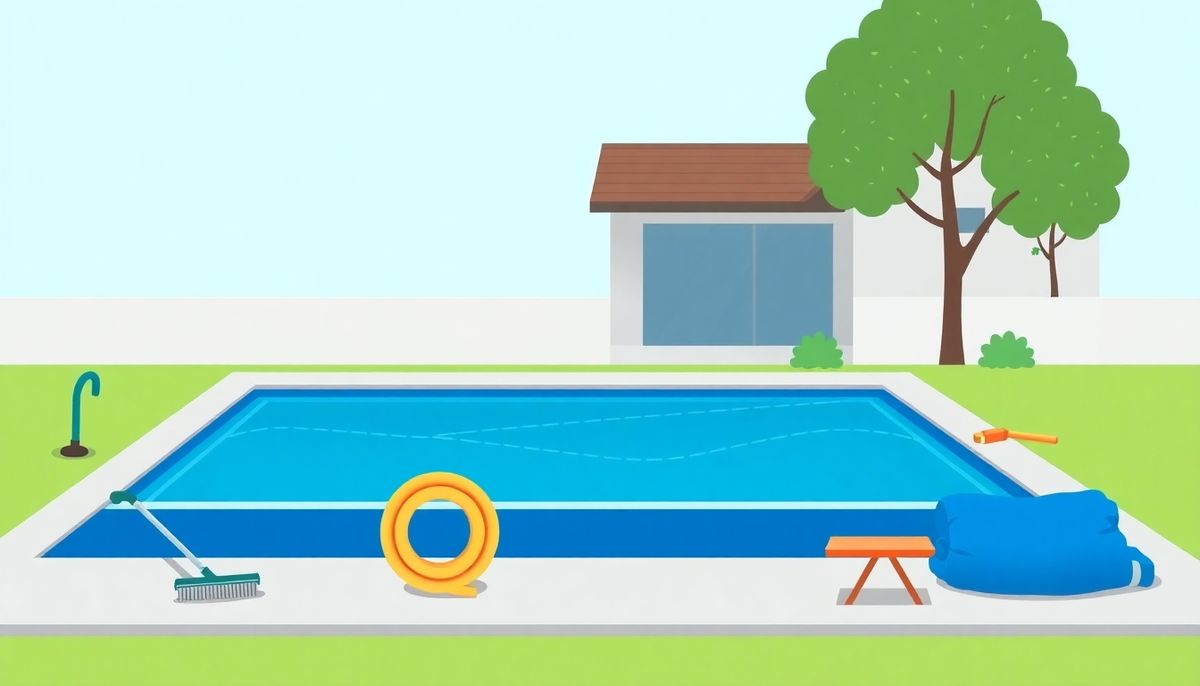
Replacing your inground liner isn't just about looks. It's a key maintenance step that keeps your pool going strong, and it starts with knowing what goes into a good liner. One summer, a friend replaced their liner with a cheap option to save money. Within a year they were dealing with fading, small punctures, and more repairs than they'd bargained for. A good reminder of why quality is worth it.
Start with the vinyl
First, the material. Virgin vinyl is often the way to go. Unlike recycled vinyl, it's made from pure material, so it doesn't have the impurities that weaken a liner over time. It holds up better against harsh UV and temperature swings. Thickness matters too, measured in mils. A mil is a thousandth of an inch, not a millimeter, which trips up a lot of people. Thicker liners, like those around 30 mil, give you more durability, but balance that against how much flexibility your pool needs. Sometimes a 20 mil liner of virgin vinyl beats a thicker, less pure one.
Finally, don't skip the warranty details. A solid warranty is a safety net against defects or early wear. Keep these factors in mind and you'll protect both the look and the structure of your pool for years.
Virgin vinyl resists fading and brittleness far better than recycled or composite liners, so it's worth paying for.
Select Durable Vinyl Options
When it's time to replace your liner, choosing the right vinyl is key to a fix that lasts. The vinyl you pick directly affects durability—it's about more than a nice pattern.
Start with the vinyl's makeup. Virgin vinyl, with no recycled material in it, is often the better choice. Because it's uniform, it handles temperature swings and UV more effectively, so you get fewer weak spots. Composite vinyl can break down faster, while virgin vinyl gives you the toughness to see your liner through many seasons.
Next, look at the thickness in mils. Thicker liners usually resist punctures and tears better, though that isn't always necessary with high-quality virgin vinyl. For scale, a 20-mil liner is about as thick as two sheets of paper, while a 35-mil liner is close to the thickness of a credit card. A thicker liner brings peace of mind, but weigh that against cost and the conditions your pool actually faces.
Last, don't overlook the warranty. A strong one could save you a lot in repairs. Check what's covered and how long it lasts, since warranties vary a lot in both.
Assess Sun and Chemical Impact
Sunshine keeps our days warm, but it's also working against your liner. UV rays don't just fade bright colors. Over time they break down the liner itself. When the vinyl, especially above the waterline, turns brittle, those sunny days have taken their toll. This wear leads to cracks and leaks, calling for a full replacement rather than a quick patch.
But the sun isn't your only opponent. Chlorine is your best friend in the fight for clean water. Overuse it, though, and it turns against you. Too much chlorine steadily eats away at the vinyl, creating weak spots that lead to bigger trouble.
Then there's the stray pool toy you tossed in, or your dog's happy splashing. It all adds up to a little more wear. Keeping an eye on sun and chemical exposure gives you an early warning. Pay attention and you can put off the inevitable replacement, saving time and money.
Ensure Accurate Pool Measurements
When it's time to replace your liner, the first hurdle is getting your measurements exactly right. It's less a chore than a craft, and it takes precision. Get it right and you avoid the costly mistake of a liner that doesn't fit and a soggy, chaotic backyard.
Start by gathering the right tools: a tape measure, a telescopic pole, and maybe an extra pair of hands. Even simple shapes like rectangles need checking at two points to confirm they're consistent. Curves and unusual shapes, like ovals or custom designs, get trickier. Every pool has its quirks, and one miss can leave you with a liner that won't fit.
If your pool's shape is anything more exotic than a rectangle, think about professional help. It's an investment in peace of mind, and it makes sure your new liner hugs the pool's contours perfectly. Whether you do it yourself or call in an expert, double- and even triple-check every measurement. Getting this stage right sets the foundation for a stress-free install.
Measure Accurately for Replacement
Accurate measuring is the foundation of a good liner replacement—the blueprint for the whole job. A liner that doesn't fit brings leaks, wrinkles, and wasted money, like buying shoes a size too small and trying to make them work.
Start by gathering your tools: a long tape measure, a chalk line, and maybe a friend or two to help. For rectangular pools, measure the length and width at several points and make sure your numbers match. Oval pools call for both end-to-end and width measurements, while round pools mean double-checking the diameter across different axes. Measure from inside the pool walls. The liner should cover them snugly without riding up onto the deck.
For oddly shaped pools, it's worth bringing in a pro. A misjudged slope or uneven wall can throw off your whole effort. Some companies offer templates or apps to help, but nothing beats the confidence of an experienced installer. Precise measurements mean your new liner fits like a glove.
Identify-Potential-Damage Sources
When thinking about how long your liner will last, it pays to spot the things that can damage it early. Like the time my neighbor's dog decided the pool was his personal playground and left a few clear claw marks. Pets can be accidental troublemakers, especially if they love a surprise dip.
Another threat comes from above. Bad weather can send branches and debris into your pool during a storm, scuffing or tearing the liner as things land. Check your surroundings and trim back overhanging trees.
Chemical imbalance is a sneakier offender. We all want crystal-clear water, but going overboard with chlorine makes the liner brittle over time. It's like leaving a rubber band in a drawer for years—it looks fine until you stretch it and it snaps.
Finally, there's the sun. Those UV rays do more than give you a tan. They fade and weaken the part of your liner that sits above the water. A pool cover during peak sun hours adds a lot of life to your liner. Keep an eye on these damage sources and you'll be in a much better spot.
Choose Quality Materials
Picking the right materials isn't just about looks. It shapes how long your pool lasts and how well it holds up. When I first set out to replace my own liner, I learned how important it is to spend on quality. The thickness, type, and source of the vinyl make a huge difference.
One term worth knowing is "virgin vinyl." Unlike recycled or composite vinyl, it's made without any recycled material, so you get a consistent, durable product. It resists fading and brittleness better, which matters if your pool gets a lot of sun. I once went with a liner that wasn't virgin vinyl, and within two years it was showing wear.
Thickness matters for durability too. Liners usually run from 20 to 35 mils thick. Thicker liners tend to be sturdier, but they can also be harder to handle during install. I found a 28/20 mil liner—the thicker vinyl on the walls—to be a nice balance. It held up to regular use and the elements, but stayed flexible enough to install without too much fuss.
Finally, always read the warranty before you buy. The fine print varies a lot. A longer warranty can look appealing, but make sure it covers the big issues, not just a long list of minor ones.
Measure Pool Dimensions Precisely
Getting a liner that fits like a glove starts with careful measuring. It's the step that can make or break your project. A friend once tried to measure her oddly shaped pool without help, only to find the new liner didn't line up, which meant another pricey order. Skip her fate by taking the time to get precise dimensions.
First, gather your tools: a tape measure, a telescoping pole, some chalk, and maybe a friend for those tricky angles. For rectangular pools, measure two sides, not one, to confirm they match. That double-check cuts your margin of error a lot. Keep the tape pulled tight, and measure inside the pool walls, not above the coping.
Oval and round pools need a slightly different approach. Measuring the longest and shortest diameters shows any differences in shape. If you run into odd corners or slopes, don't hesitate to call a pro. Record your depth measurements too. Use a pole to check from the shallow to the deep end, marking big changes with chalk. This makes sure the liner fits your pool's contours snugly.
Consider Professional Installation
Swapping out an inground liner might look like a simple DIY job, but there's more to it than you'd think. A lot of people are tempted to do it themselves, but calling in a pro can save you time, stress, and mistakes. Exact measurements and proper installation aren't just nice to have—they're essential. A liner that isn't fitted right can lead to costly water loss and structural damage.
Beyond getting the liner to fit snugly, pros bring expertise that covers things you might miss. They're trained to handle the tricky parts, like uneven floors or complicated shapes. Their experience helps them dodge rookie mistakes, like not vacuuming out air pockets properly or misaligning the liner, both of which lead to wrinkles and leaks.
Think about how comfortable you are with the tools involved. A seasoned installer shows up with the right gear and knows how to use it for a clean finish. Plus, hiring a pro often comes with a warranty on the work, which adds another layer of security. It might feel like a splurge, but the real value is knowing the job was done right the first time.
For anything more complex than a basic rectangle, a professional install often pays for itself in avoided leaks and do-overs.
Ensure Accurate Measurements
Accurate measurements are the key to a successful replacement. Think of tailoring: a suit fits perfectly only when every measurement is exact, and the same goes for your liner. If you've ever hemmed a pair of pants only to find them still dragging on the floor, you know why precision matters.
The variety of pool shapes can trip up even the most careful DIYer. A rectangular pool is straightforward, but freeform or kidney-shaped pools can feel like reading a treasure map. Every curve and corner needs attention, or you'll order a liner that won't fit. And it's not only length and width. Depth counts too, and missing it by even an inch can leave you with a liner that doesn't sit right.
Don't be shy about bringing in a pro. Their know-how can save you from expensive mistakes. If you're set on doing it yourself, make sure your tools are up to it—a flexible tape measure, a partner to hold the other end, and maybe a waterproof notepad to jot down numbers. A little extra effort here means a snug fit and a pool you can enjoy without a hitch.
Prevent Installation Mistakes
Steering clear of mistakes during installation matters—not just for the liner, but for the life of your whole pool. Starting without knowing the pitfalls leads to costly errors. Take the time I replaced my own liner. I thought I had it handled, but I missed getting the liner bead lined up with the track. The result? A frustrating do-over that cost me time and patience.
First, prep the pool surface carefully. Clear out any sharp objects or debris so nothing punctures the liner. People often underrate this step, but it's essential. I skipped it once and ended up with a small tear from a hidden pebble.
Next, be careful with your measurements. Double-checking your dimensions saves you the heartbreak of a liner that fits poorly. Templates or measuring apps help a lot, especially with non-rectangular pools. If you can, have a pro take the measurements to rule out miscalculations.
Also, watch the temperature while you install. Vinyl liners are more flexible in warmer weather, which makes a snug fit easier. A cold, brittle liner leads to tension problems and a poor fit. Finally, ask for help when you're unsure. Whether you check with an expert or lean on how-to resources, a little clarity heads off a lot of problems.
Conclusion
Replacing a pool liner takes real effort, and if you've read this far, you're already ahead of most owners. Give yourself credit for taking it seriously. The payoff is a pool that stays leak-free, good-looking, and ready for summer after summer.
Want to keep learning? Our free Pool School course covers everything you need to know about pool care, from basic maintenance to advanced troubleshooting. You'll learn how to:
- Save thousands on pool repairs and chemicals
- Keep your water crystal clear year-round
- Prevent and solve common pool problems
- Master water chemistry with confidence
Join over 10,000 pool owners who have already changed their pool care routine. Get started with our free Pool School course today!
What you need
To do this right, stock up on a reliable water test kit, a quality virgin vinyl liner in the correct thickness, and a solar or safety cover to protect it from the sun.