




Warm water bubbling around you, steam drifting up into the evening air—your hot tub should be a place to unwind. Keeping the chemistry right is what protects that calm. Bromine, a sanitizer many people pick because it stays stable in hot water, does the job of keeping your tub clean. Add too much, though, and a relaxing soak turns unpleasant fast, with itchy skin and a faint chemical edge to the water.
I still remember the first time my own tub had way too much bromine in it. Bromine is gentler on the nose than chlorine, so there was no sharp reek to warn me—it was the itch that showed up after a quick dip that tipped me off. That was my wake-up call to stop ignoring the chemistry, which can shift more easily than you'd think.
The fixes are simpler than you'd expect, and you don't need a chemistry degree for any of them. Maybe you added too much by accident, or maybe you just want a natural way to bring it down. Either way, I'll walk you through a few easy ways to lower bromine so your spa stays a spot for rest instead of a source of irritation.
Your Action Plan
- Test your water and confirm bromine has climbed above the safe 3 to 5 ppm range.
- Stop adding bromine—switch off the feeder and remove any floaters or tablets.
- Take the cover off and run the jets so the extra bromine evaporates.
- Drain about a third of the tub and refill with fresh, filtered water to dilute.
- For a fast fix, add a sodium thiosulfate neutralizer following the label exactly.
- Retest, then rebalance pH and alkalinity before you get back in.
Test and Monitor Bromine Levels
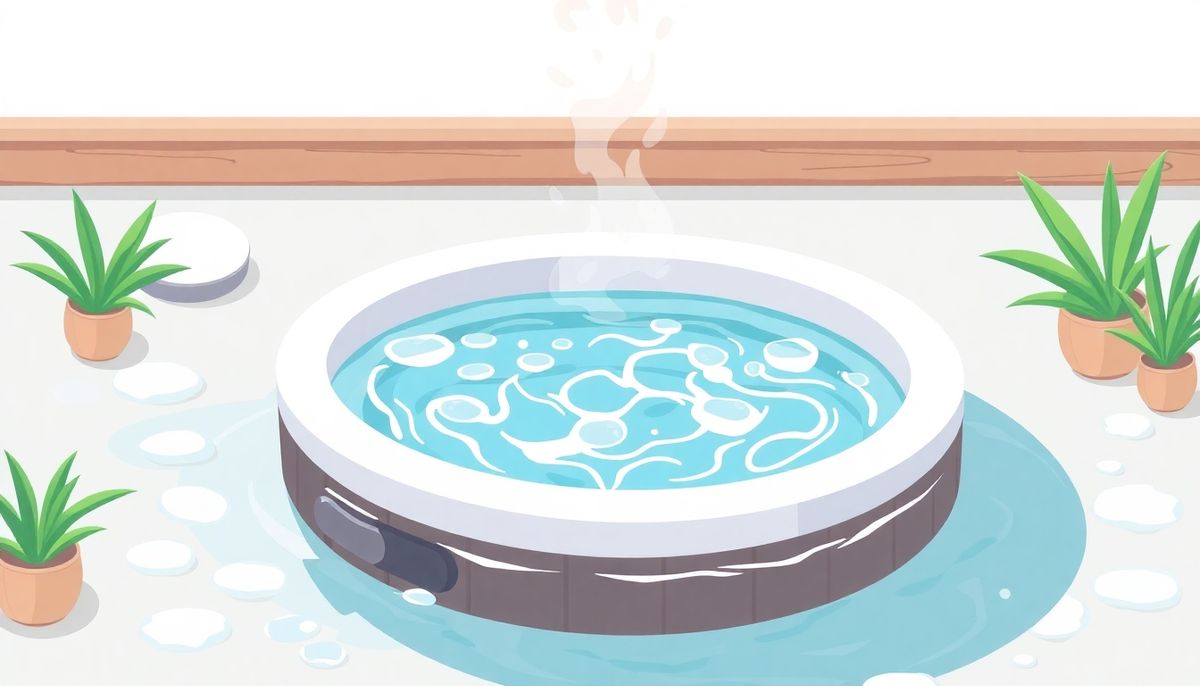
Test your water every week
Testing is the foundation of everything else. Test strips read bromine along with pH and alkalinity all at once—just make sure the ones you buy actually include bromine. Dip a strip once a week, and more often if you soak a lot. You want to hold bromine between 3 and 5 ppm to keep your tub safe and pleasant.
Automatic feeders, tablets, and floaters make it easy to over-sanitize without noticing, so watch your levels more closely if you use them. And bromine isn't the whole story—pH and total alkalinity can throw the chemistry off too. Test them regularly and you'll keep the whole tub in shape.
Keep bromine between 3 and 5 ppm—that's the sweet spot for a safe, comfortable soak.
Test Water Using Reliable Strips
How to read the strips
Because bromine doesn't give off a strong smell, you can't rely on your nose to tell you when it's high. Strips are how you actually know. Dip one in the water, wait a few seconds, and match the colors to the guide on the packaging. That's your read on the water's health.
Do this weekly, especially if you're adding bromine often to keep the water clean. It stops bromine from slowly creeping up to a level that corrodes your equipment and bothers anyone in the tub.
Balance Bromine for Safe Soaks
Stop the source first
Bromine keeps bacteria out of your water, but too much of it damages equipment and irritates skin and lungs. The first move is to stop adding any more right away. That might mean pulling out a floater or switching off the automatic feeder.
From there, patience pays off, because the level drops on its own over time. You can help it along by taking the cover off and running the jets, which lets evaporation carry some bromine away. Keep an eye on the water level as you go—if too much evaporates, you can expose the skimmer. Short on time? A partial drain and refill works, or you can reach for a bromine neutralizer, going easy so you don't overdo it.
Adjust Bromine Levels Proactively
Match bromine to how much you soak
A few small habits save you the headache of over-sanitizing. Start by thinking about how often you actually use the tub. If your hot tub is more of a weekend treat than a daily habit, cut back on the bromine so it doesn't build up.
Fresh test strips each week are your strongest ally. If you spot the numbers creeping up, act right away. Natural methods help here too—leaving the cover off so water evaporates, or swapping out some of the water. Both bring bromine down and freshen the whole soak.
Stop Excess Bromine Dosing
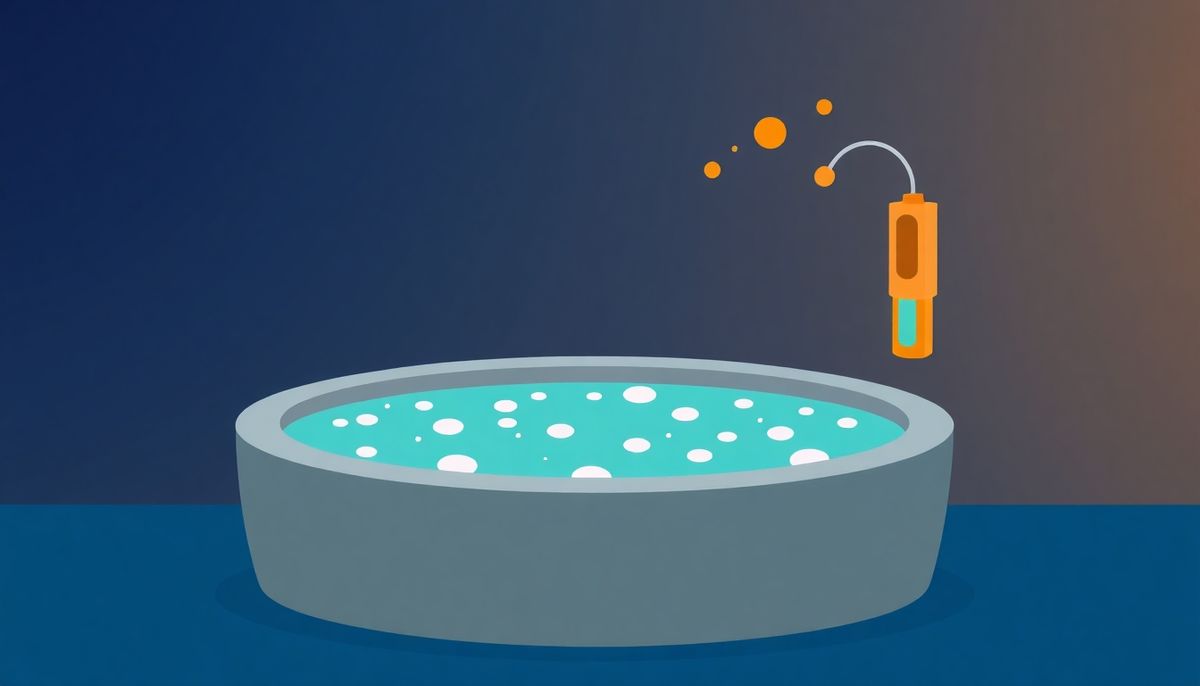
When the feeder does too much
One common slip is adding too much bromine without realizing it. Automatic feeders and floating dispensers are convenient, but they can pour more into the water than you want. To stop the excess, switch off the feeder and pull the floaters out.
Then get in the habit of testing often, especially after heavy use. Use fresh strips for an accurate read. If the levels stay high, a partial drain and refill dilutes the water and brings things back down.
Aim for that sweet spot between 3 and 5 ppm, or 1 ppm if you use a mineral floater. Test weekly, and more often if your tub sees a lot of company or those long soaks that stretch on for hours. Testing right after you add chemicals matters too, since it's easy to tip the scales when you're adjusting bromine. Steady monitoring keeps you from over-sanitizing, which can corrode parts or leave people short of breath.
Adjust Bromine Dosing Methods
Rethink your bromine routine
Bromine is a big help in keeping water clean, but too much spells trouble. Tweaking your routine keeps things balanced. First, look at how often and how much you add. If your tub has fewer guests than you planned for, bromine builds up simply because you're still dosing at the same rate. A weekly check might be plenty instead of a daily one.
The way you deliver bromine matters as well. Granules give you control over quick changes, while floaters release it slowly and steadily, which heads off sudden spikes. If you use an automatic feeder, make sure the setting hasn't been bumped too high by accident.
It's not just about adding less, though. Balance pH and alkalinity regularly, since both affect how well bromine does its job. Once I started testing and balancing these more often, the water felt noticeably better.
Use Neutralizers for Quick Solutions
Neutralizers are a real help when high bromine has you stuck. They're often sold as "chlorine neutralizers," but they work on bromine too, thanks to their active ingredient, sodium thiosulfate. That's the product to grab from your pool supply store.
Using one is simple. Dissolve the recommended amount in a bucket of warm water, then add it to the tub. It works fast, often dropping bromine within an hour or two. Once it's done its job, retest the water so you know where you stand.
Boost Evaporation to Lower Bromine
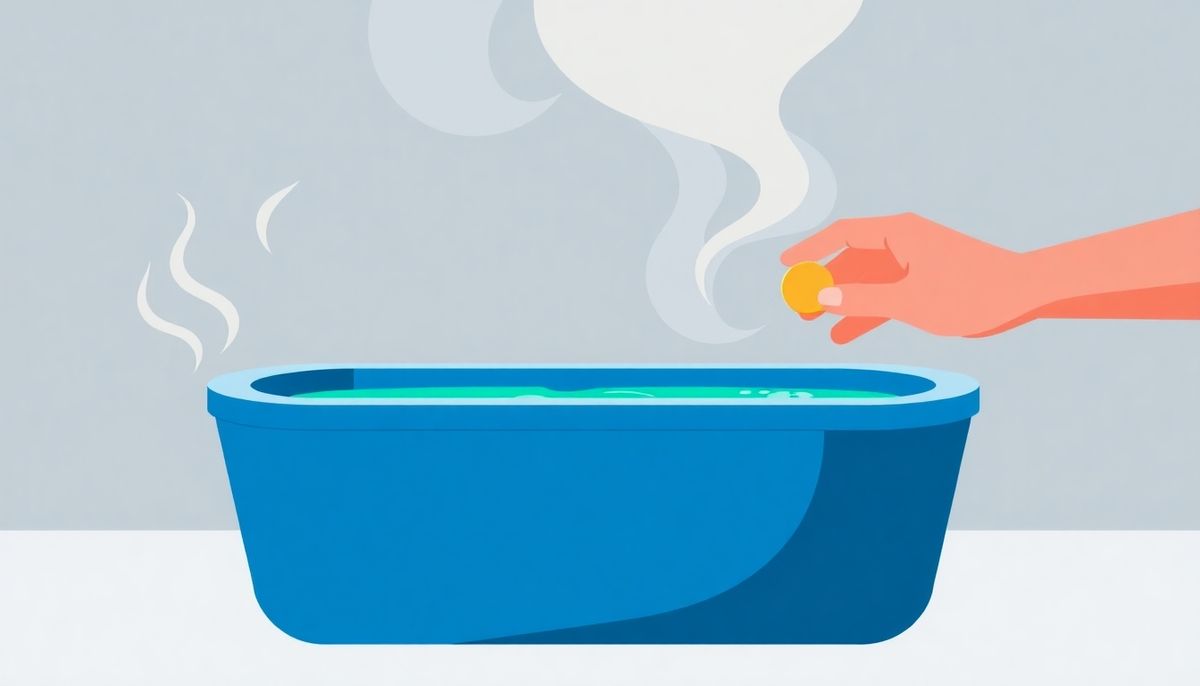
Let evaporation do the work
If you'd rather skip the chemicals, boosting evaporation is the easy fix. Start by taking the cover off. This exposes the water to open air and sunlight, both of which speed evaporation. As water turns from liquid to vapor, it carries some of that extra bromine with it.
Turn on the jets to get things moving—the swirling water creates more surface area, which brings the bromine down faster. Just watch your water level closely; it shouldn't drop below the skimmer port, or your tub won't run right. Once the level has fallen, add fresh, filtered water to dilute what's left, then grab a test strip and confirm the bromine is back in the safe range before you climb in.
Implement Water Evaporation Techniques
The same approach works whenever bromine runs high, and it's less fussy than it sounds. Cover off, jets on, and you're basically letting steam drift out of a hot pot—the water evaporates and the bromine goes with it. Keep the level above the skimmer port so your circulation and filtration keep working. Once it's dropped a few inches, top off with fresh, filtered water and test again to make sure everything's balanced.
Stop Excess Bromine Addition
The simplest fix: stop adding bromine
Overdoing the bromine is a lot like oversalting a dish—easy to do, but easy to avoid with a little care. The most direct fix is to stop adding any more. Switch off the automatic feeder, take out tablets or floaters, and hold off on the granules.
Every time you add bromine, think about how much the tub actually gets used. A hot tub that sits idle most of the week doesn't need the same boost as one that gets daily splashes. Once you stop, nature takes over—bromine fades on its own, especially if you pull off the cover to let the water breathe. Add fresh water as the level drops, and before long you're soaking again without a worry.
Before you reach for anything else, the quickest way to lower bromine is simply to stop adding more.
Utilize Bromine Neutralizers Wisely
A bromine neutralizer is a powerful tool, not an everyday one, and it needs a precise hand. Use too much and you swing the other way, leaving your hot tub with too little bromine to fight off bacteria. Always check the product directions first to work out exactly how much you need—it's far easier to add a little more later than to reverse an overdose.
Save neutralizers for the moments when you can't wait, like right before a soak with friends. For regular upkeep, lean on steady testing and natural methods like evaporation or dilution instead.
Neutralizers work fast, but overshooting leaves your water unprotected—start small and retest.
Use Neutralizers for Quick Reduction

When you need bromine down in a hurry—setting up for a last-minute soak, or after a surprisingly high reading—a sodium thiosulfate neutralizer works faster than waiting on evaporation. Measure carefully and follow the product directions to the letter. Keep a test strip handy so you can check the level right after you apply it, and confirm everything's fine before anyone gets in.
Treat it as your backup for when the clock is against you, and it earns a spot in your maintenance kit.
Keep testing a weekly habit
Testing and tracking bromine is a simple, important step for both the life of your spa and everyone's safety. Grab a fresh set of test strips or a liquid kit made for bromine, and treat testing as a weekly habit, like watering plants or taking out the trash. If your tub gets heavy use, test more often.
Each test tells you more than the bromine number. Watch pH and alkalinity too, since they directly affect how well bromine works—a high pH, for instance, weakens its ability to sanitize. If bromine stays stubbornly high, stop adding it and let evaporation or a partial drain and refill do the work. For faster results, a neutralizer is your ace in the hole, used carefully.
Stop Over-Sanitizing Immediately
Holding back on sanitizer can feel wrong, but over-sanitizing causes more problems than it fixes. Too much bromine corrodes parts, damages pumps, and puts people at risk—I've seen a nasty rash come from levels that ran too high. The first move is simple: stop adding any more, whether it comes from granules, tablets, or a feeder. That lets your levels settle on their own.
To speed it up, open the cover and run the jets so the bromine dissipates faster. Keep in mind that changing the bromine often shifts other parts of your water chemistry, so test and rebalance pH and alkalinity as you go.
Use Neutralizers for Fast Results
When bromine spikes right before a soak, a neutralizer is your fast answer. Sodium thiosulfate bonds with the bromine chemically, making it inert and dropping the concentration quickly, so you don't have to wait on evaporation or dilution.
Precision still matters. Go overboard and you swing too far, leaving too little bromine to sanitize properly. Start with small doses and retest to fine-tune the balance—a little usually goes a long way. Even so, a regular testing routine is the best prevention. Keep a bottle on hand for surprise spikes, but let steady care carry the load.
Drain and Refill for Balance
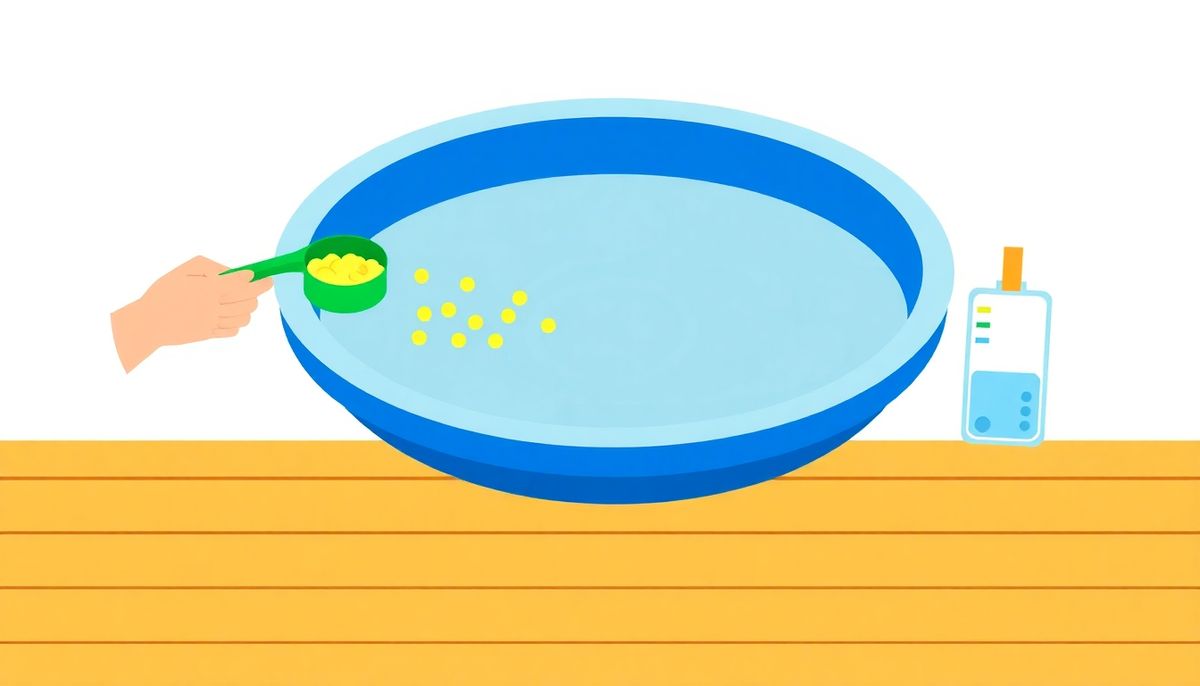
Drain and refill to dilute
The drain and refill method gives your tub a breath of fresh air. Take out some of the old water, replace it with fresh, filtered water, and you dilute the bromine while freshening the overall chemistry, which drifts over time.
Draining about a third of the tub and refilling works well—not just for bromine, but for resetting the water balance. After you refill, always test and rebalance pH and alkalinity so everything blends nicely; skip that and you can end up with cloudy water that takes extra work to clear. It takes a bit of elbow grease, but the fresh water feels great and keeps your tub inviting.
Bromine won't announce itself with a sharp smell the way chlorine does, but it can quietly cause trouble if you leave it unchecked. Test strips are the reliable way to see what's going on, reading several numbers at once. Set up a routine to test weekly, and more often if your tub sees a lot of visitors—that keeps you from accidentally overloading the water.
Once you know your bromine, balance it alongside pH and alkalinity, since these factors are all tied together. If bromine drifts out of the ideal 3 to 5 ppm range, adjust it right away rather than letting it slide.
With hot tubs, it all comes down to finding the right mix. The simplest first step in getting bromine under control is to stop adding any more, since the problem usually starts with overeager tablets, floaters, or an automatic feeder. A feeder set too high will quietly pump bromine into an already saturated tub, so switch it off and pull the floaters. In my experience, levels drop a lot within a day or two with no further effort.
Nature is on your side here. Take off the cover and run the jets, and evaporation speeds things up. As the water level falls, add fresh water to protect your equipment. With regular testing and small adjustments, holding bromine at 3 to 5 ppm becomes second nature. When time is tight, a neutralizer offers a quick fix, used carefully so you don't overcorrect.
Conclusion
That covers the main ways to bring high bromine back down and keep your spa a place to relax. Stay in the habit of testing, match your dosing to how much you soak, and you'll rarely deal with a spike big enough to spoil the fun.
What you need
Stock up on fresh bromine test strips, a bottle of sodium thiosulfate neutralizer, and pH and alkalinity balancers so you're ready for the next spike.