




As the first warm days of spring push through winter's chill, your mind drifts to long, lazy afternoons by the pool. Opening an inground pool is an old ritual that says summer is here. I grew up with a backyard pool, and I still remember the thrill of pulling back the cover to find sparkling water. Doing it right turns a chore into a smooth job, one that sets you up for months of fun.
A well-planned opening gives you a clean, safe pool and makes your equipment last longer. You start with a good look at your cover, then move through the important stuff: balancing your water and getting the filter running. Every step matters, from clearing leaves to checking for leaks. These aren't just boxes to tick; they're all part of caring for your pool.
Going in with a little know-how saves you time and money. As you read on, you'll see these 13 steps aren't just about the mechanics—they're about setting yourself up for a great summer. New owner or old hand, this guide hands you practical tips for a strong start.
Your Action Plan
- Gather your tools and safety gear—gloves, goggles, and a mask.
- Clean, dry, and store the pool cover in a pest-proof container.
- Top off the water to the middle of the skimmer.
- Prime the pump and filter, then get water flowing.
- Test and balance the water, then shock it.
- Run the filter and keep testing until the water is clear.
Uncover Your Pool Safely
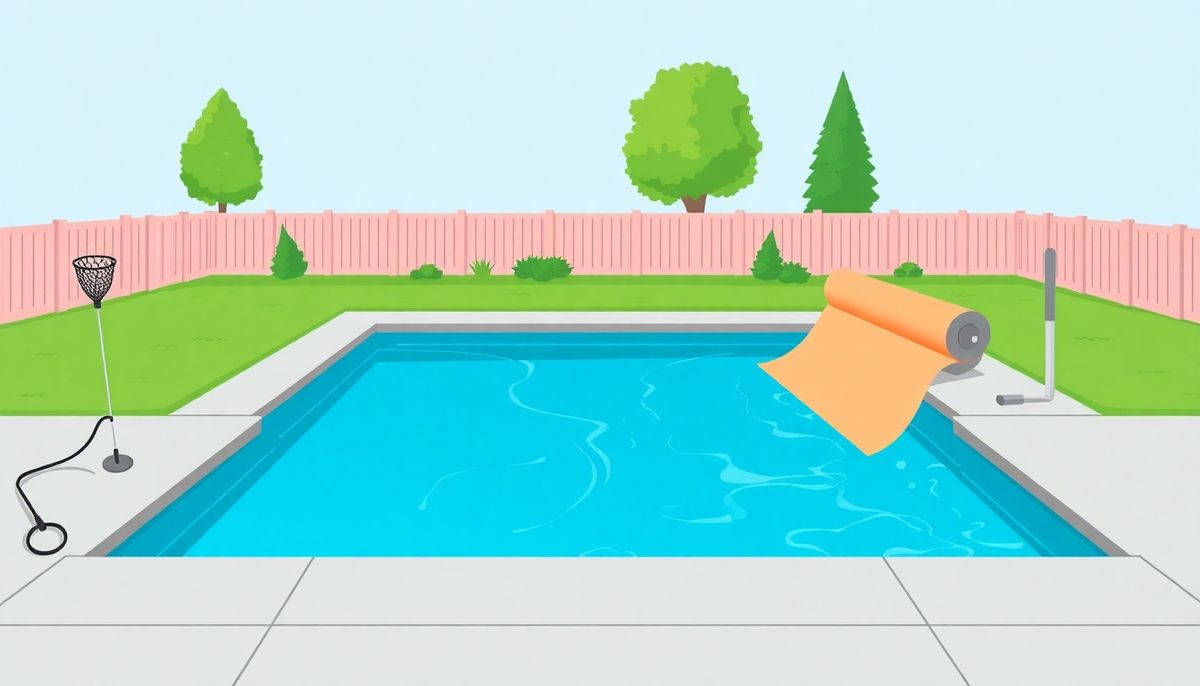
Getting into a freshly opened pool is a thrill, but uncovering it can feel like a big job. Round up your tools first—a soft broom, a pool cover pump, and, most important, safety gear. Chemicals can hurt you from a splash or a whiff, so protecting yourself comes first.
With a buddy beside you, gently sweep the leaves and twigs off your cover. Let the cover pump handle the standing water, and be patient—some pumps drain faster than others. While the water drains, look the cover over. Did it survive winter in one piece? If not, plan to replace it, which saves you a cleaning later.
With the cover lighter, fold it with your partner in neat, back-and-forth layers. That accordion fold keeps it whole and makes the rest easier. Lay it flat away from the pool, clean it, then rinse and dry it well before you tuck it into a pest-proof container. Now you're only a few steps from that first dip.
Gather Essential Tools and Gear
You're set to open the pool, and the last thing you want is a missing tool stopping you cold. Start with a garden hose to top off whatever winter's cold evaporated. Grab a soft broom for the leaves and grime on your cover.
Don't skip eye protection and chemical-resistant gloves. Pool chemicals may be harmless in clear water, but they can burn bare skin and eyes. I've seen too many people wave off gloves and end up with skin irritation that lingers for days—learn from their mistake.
You'll also want a pool cover pump to keep mini lakes from forming on top of the cover. Not all pumps are the same; some pull up water and debris with ease, while others need a lighter touch, so know what yours can do. Finally, keep a skimmer handy to scoop up any bits that snuck past your winter cover.
Clean and Store the Cover
A neglected cover looks like a lot of work, but turning it into a clean, stored protector is one of the more satisfying parts of opening. Grab a friend—a second set of hands makes it much easier. Sweep off the big debris with a soft broom, and don't drag the cover over rough ground, which tears it.
Spread it on a flat, clean spot like your lawn, then wash it with a gentle cover cleaner or mild car wash soap and a soft brush. Skip anything abrasive. Rinse well, since leftover cleaner harms the fabric as it dries, and let it dry fully or you'll invite mildew—a leaf blower speeds this along.
Stash the dry cover in a large, sealable container or storage bag, up off the ground, to keep out insects and rodents. Treat it well now and you'll have an easier closing when winter comes back around.
Prime and Balance Water Chemistry
You can't skip water chemistry. After months under a cover, your water might look more like a science experiment than something you'd swim in. Test your levels with reliable strips, or take a sample to your local pool store for more precision.
Balance in the right order
Tackle alkalinity first, since it buffers your pH against swings. Then set your pH—too high or too low irritates swimmers and damages equipment. Calcium hardness comes next; too much causes scaling, too little corrodes surfaces. For any metals that crept in over winter, a metal remover (sometimes called a sequestrant) keeps them from staining.
Balance alkalinity first, then pH, then calcium hardness—get that order right and everything else falls into place.
With a balanced base, add pool shock to wipe out bacteria and algae spores. Wear goggles and gloves the whole time. Once the shock has done its work, you'll have clear water ready for the season.
Organize Essential Pool-Gear
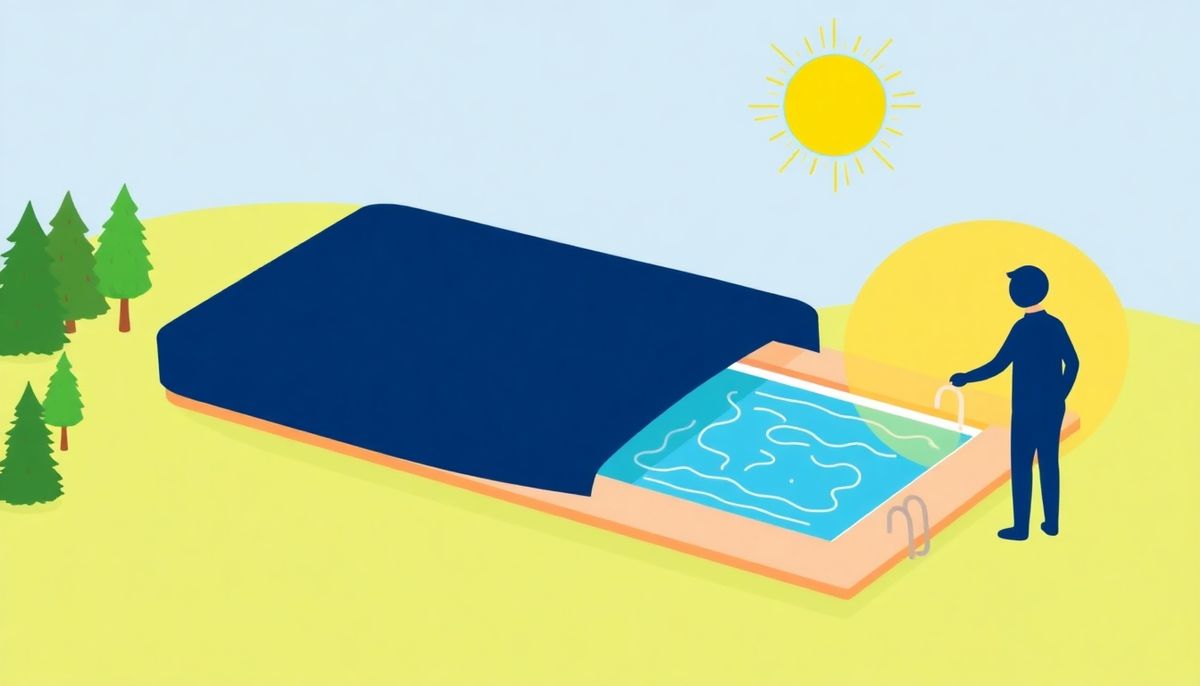
Standing by your pool, surrounded by brushes and gear, you might not know where to start. Pull together your opening kit—a garden hose, cover pump, and skimmer net are just the beginning.
Then think about safety. Gloves and goggles aren't extras; they're your first defense against a chemical mishap. Skipping them is how people end up with burns and irritation, so don't leave them off the list.
Keep everything within reach. Lay your supplies out on a portable table or a poolside cart so you're not hunting for a tool right when you need it. Finally, double-check what you've got—the right shock, a filter brush—so no surprise trip to the store stalls your progress.
Ensure Safety with Protective Gear
Opening a pool is exciting, but safety has to stay front and center. Every year, thousands of people end up in the emergency room after accidental exposure to pool chemicals. The right protective gear isn't just a good idea—it's a must.
I've watched people skip safety goggles while mixing chemicals and end up with irritation that lasts for days. Goggles shield you from splashes and fumes. Chemical-resistant gloves do the same for your hands, since even a small splash can burn. A dust mask protects your lungs when you handle powdered or granular chemicals.
It's tempting to skip all this when you're itching to get the pool going, but a moment spent gearing up saves you from real trouble.
Protective gear isn't optional—thousands of people land in the ER every year from mishandled pool chemicals.
Streamline Pool-Cover Cleaning
Cleaning winter grime off a cover feels like a big job, but a few smart steps get you through fast. Gather a soft broom, a pool cover pump, and a friend for extra muscle. Sweep off the big debris first so it doesn't fall into the pool when you pull the cover.
Clear the standing water with your pump—some models handle debris better than others. Then you and your friend can lift and fold the cover accordion-style, which makes it easy to carry without tears. Lay it out flat and scrub it with a cover cleaner or mild car wash soap, skipping harsh chemicals.
After a good rinse, dry it completely with a towel or leaf blower, then store it in a sealed bag or container to keep pests out. Careful cleaning makes next season's opening much easier.
Optimize Water Chemistry for Clarity
Clear water comes down to balanced chemistry, and it starts with a good water test—strips or a store sample. Once you know the imbalances, start with alkalinity, since fixing it steadies your pH, which in turn affects how well your chlorine works. After pH, turn to calcium hardness, which guards against corrosion and scaling.
With the basics balanced, think about clarifiers and flocculants. A clarifier gathers fine particles so your filter can catch them, while a flocculant drops bigger debris to the floor for you to vacuum up. If your pool stays stubbornly cloudy, a good flocculant can clear it fast.
Don't forget the routine. Test and adjust regularly to keep that clear look all summer. Staying on top of it makes every swim feel like a treat instead of a task.
Clean Your Pool Cover
Pool season promises sunny swims, but first there's that tired, weathered cover. It's easier with a little planning and a helping hand. Gather a soft broom, a cover pump, and a good cleaner, then have a buddy help you lift the cover off—no dragging it over rough ground.
Fold it accordion-style, lay it on a flat spot, and scrub gently with a cover cleaner or mild car wash soap. Rinse well and dry it fully with a leaf blower or towel before folding, or you'll get mold and mildew. Store it in a sturdy, lidded container to keep pests out.
Spend a little time on your cover now and you'll get more years out of it, plus a smoother start to the season.
Waiting on the season's first dive, it's easy to forget protective gear—but handling pool chemicals without it is like cooking without oven mitts. Sooner or later, you get burned.
Emergency rooms see plenty of chemical irritations and breathing problems every year from mishandled supplies. Chemical-resistant gloves, safety goggles, and a face mask act as barriers for your skin, eyes, and lungs. Beyond protecting you, this gear helps you avoid accidents that delay your opening. Put it at the top of your list.
Remove Debris from Pool Cover
Clearing the mess off your cover is the first step in reclaiming your backyard. Sweep away the leaves and twigs that lived there all winter—this lightens the load on your pump and prevents clogs.
Set your cover pump where it can suck up standing water. Some pumps clear even small puddles with ease, but know your pump's limits so you don't overwork it. If yours has an automatic water sensor, it kicks on by itself when it detects water, which makes the job easier.
Once the cover is clear, team up to fold it, watching for rough patches and checking for tears. Spread it out, scrub with cover cleaner or mild car wash soap, rinse, dry, and store it in a pest-proof container. Come closing time, you'll have a clean, intact cover ready to go.
Taking off and storing your cover is the first real step toward a refreshing swim. Have your garden hose and cover pump on hand to clear the water and debris that piled up.
Get a friend to help you lift and fold the cover without dragging it over rough ground. Spread it on your lawn or a clean driveway, apply a suitable cleaner or mild car wash soap, and scrub away stains with a soft broom. Rinse off all the soap, then dry it with a leaf blower or towel.
Fold the clean, dry cover and store it in a sealed container, away from pests and moisture. Doing it this way saves you from nasty surprises when you need it again.
Restore Water Levels Efficiently
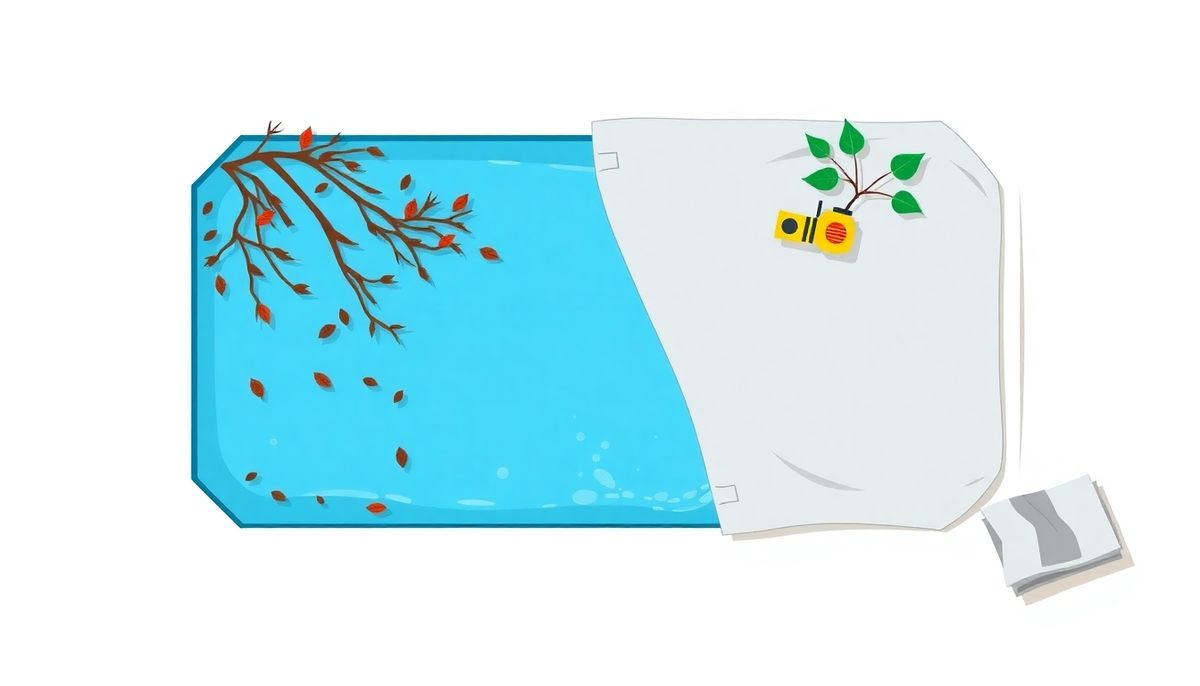
After a long winter, evaporation leaves your water sitting low. Bringing it back up is the first step toward a new season—and it's not just about having enough to swim in. A proper water level helps you balance your chemistry more effectively from the start.
Your garden hose does the work here. Attach a hose filter so no metals or debris hitch a ride in—it's your first line of defense against iron and manganese, which can stain. Adding water before you balance chemicals saves you from recalibrating everything later.
Watch the pace as you fill; too fast and you'll overfill before you notice.
Fill your pool to the middle of the skimmer before you touch a single chemical.
Prepare for Pool Opening
A sunny morning and the promise of a cool swim get you moving, but first there's work. Keep your tools within reach—a garden hose, a cover pump, and a soft broom to start—plus something to protect your hands and eyes.
Focus on the cover first. Sweep it clean, pump off the standing water, and have a friend help you fold it neatly so it doesn't tear. Look it over for damage; better to replace it now than at closing time. If it's in good shape, scrub it with a gentle cleaner, rinse, dry, and store it in a pest-proof container until fall.
Remove Winter Debris
Winter leaves behind a pile of unwelcome leftovers. As the frost pulls back, deal with them before your pool is ready. Start by gently sweeping the leaves and twigs off your cover—it's amazing how much debris a winter drops.
Next, put your cover pump to work on the water that pooled up during rain and snow. Pumps vary in power, so know yours; some need patience while others zip through. Let the pump do its thing while you grab a coffee on the patio.
With the cover clear, get a friend to help you fold it carefully, no dragging across rough ground. Set it on a clean, flat area, scrub with a gentle cleaner or car wash soap, rinse, dry, and store it properly so it's ready to protect your pool again in the fall. A little time now means fewer surprises next season.
Balance Water Chemistry
Balancing your water can feel like a science experiment gone sideways, but it's key to keeping the pool clear all summer. Dust off your test strips or take a sample to the pool store to read what your water needs.
Start with alkalinity—it's like pouring the concrete before you build the house. Once it's steady, adjust pH so swimmers don't climb out with stinging eyes or dry skin. Calcium hardness rounds out the trio, keeping surfaces smooth and equipment healthy. A start-up chemical kit bundles these essentials so you don't have to piece it together yourself, and resist the urge to overdose—less is usually more.
Don't skip safety. Goggles and gloves go on before you touch a chemical. Once it's balanced, your pool turns into a refreshing oasis.
Prime Your Pool Equipment
Before you jump in, make sure the plumbing and motor are ready to go. Your pump and filter are the workhorses that keep the water clean, so give them a careful check.
Seal up the pump and filter
Check that the drain plugs in your pump and filter are snug—thread seal tape helps prevent leaks. Pay attention to the O-rings, the rubbery rings that seal out air and water. Coat them with pool gasket lubricant to keep them soft, and replace any that are cracked or worn so air can't sneak in.
A cracked or dried-out O-ring lets air into the system, so replace it before it costs you.
Prime the system
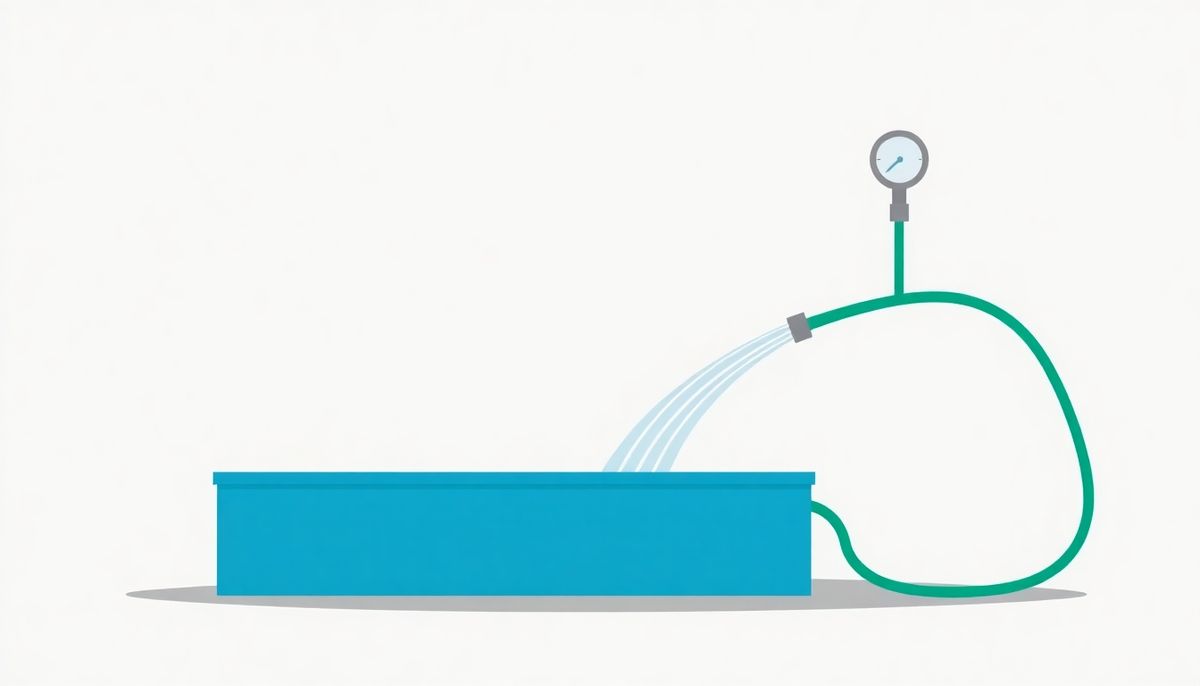
Now let water back into the filtration system by opening your return-side valves. If you have a multiport valve—the handle on top of many sand filters that controls water flow—turn it to "waste," then reattach the air bleeder (the small valve that releases trapped air), the sight glass (the clear window that lets you watch water flow), and the pressure gauge. Fill the pump basket with water to make priming easier, then flip the breaker and start the pump. When water flows through, it's primed.
Keep an eye on the pressure gauge. A sudden spike means you should shut off the pump and check for a blockage; sometimes a quick re-prime does the trick. Take these steps and you'll protect your equipment for the whole season.
Gather Essential Pool-Opening Tools
Before you plunge back in, get the right tools together. Start with protective gear—goggles and gloves—because handling chemicals without them leads to real trouble.
Check your cleaning tools next: a soft broom for the cover and a good pump for draining standing water. Then the standard maintenance items—a skimmer for the first pass over leaves, and a garden hose for rinsing and refilling. A hose filter keeps metals and impurities out during the refill.
For the technical side, have your shock, algaecide, and a water test kit on hand, plus thread seal tape and pool gasket lubricant for reinstalling plugs and O-rings. With your kit assembled, turning your pool from murky hibernation into a summer oasis is just a matter of time and teamwork.
Conclusion
You've now got a clear plan for opening your pool the right way—cover, water, equipment, and all. Take it one step at a time, lean on a friend for the heavy parts, and you'll be floating in clear water before you know it.
Want to get even better at this? Our free Pool School course covers everything about pool care, from basic maintenance to advanced troubleshooting. You'll learn how to:
- Save thousands on pool repairs and chemicals
- Keep your water crystal clear year-round
- Prevent and solve common pool problems
- Master water chemistry with confidence
Join over 10,000 pool owners who've already transformed their pool care routine. Get started with our free Pool School course today!
What you need
Stock up on the basics before opening day: a soft broom and cover pump, chemical-resistant gloves and goggles, a water test kit, and your start-up chemicals like shock and algaecide.