



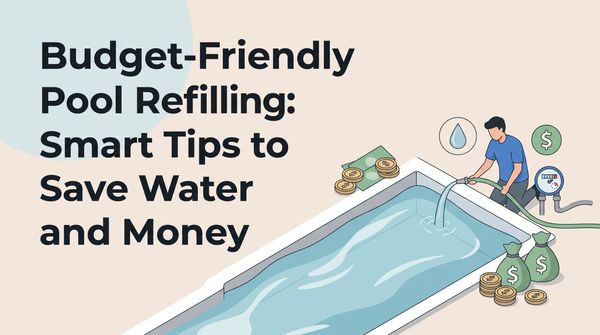
Owning a pool sounds like the easy life, but keeping one up can be far less glamorous. The sun's out, the kids are splashing, and the dog is barking at the inflatable flamingo. Everything feels perfect until you glance at the water level and realize it's time for a refill. Maybe last month's water bill is still nagging at you, or maybe you just want smarter ways to manage what you've got. Either way, refilling your pool on a budget doesn't have to be a chore you dread.
Start by thinking about where your water comes from. A lot of people don't realize their water company sometimes offers discounts for filling pools, especially in the off-season. There's rain, too. A well-placed tarp can catch a good amount of rainfall, turning a few wet days into several inches of pool water. And your neighbors can help. Some communities even swap extra well water through local groups online. With a little creativity, refilling your pool without spending a fortune is well within reach.
Your Action Plan
- Test any well or alternative water before you fill the pool.
- Check your well's capacity and pump so you don't run it dry.
- Put a solar cover on to cut evaporation.
- Fix leaks fast — watch for the level dropping more than an inch a day.
- Collect rainwater and fill during off-peak hours to save.
- Remind swimmers to ease up on the big splashes.
Save Money with Well-Water
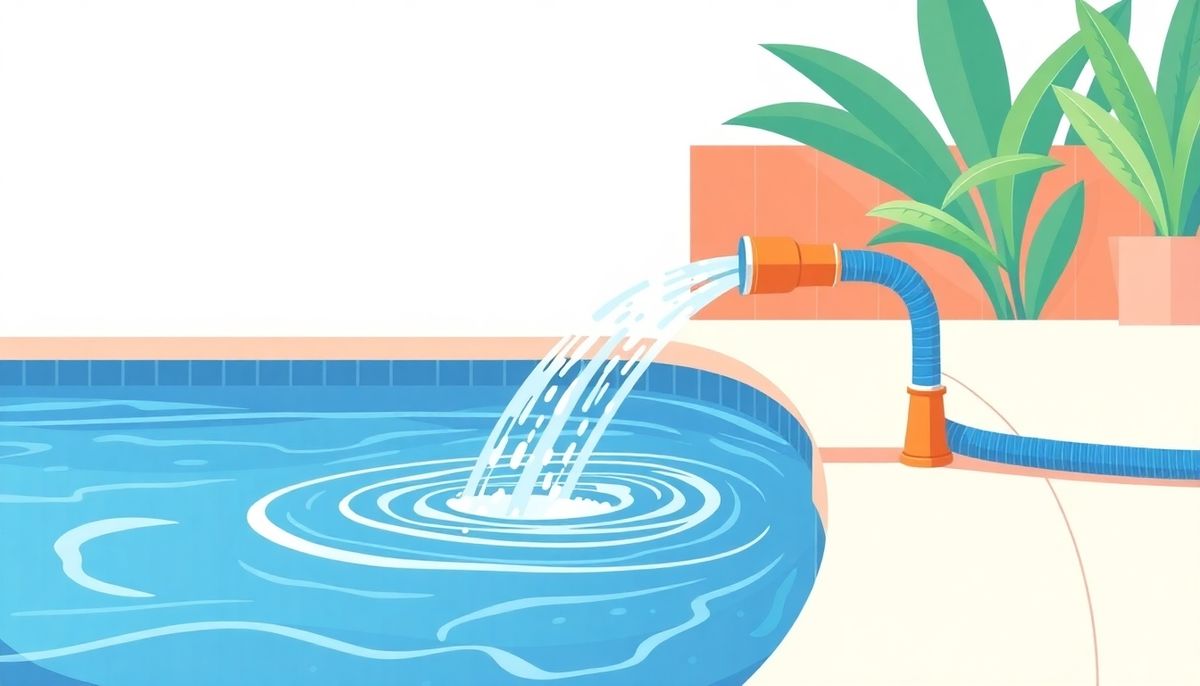
Free per gallon, but not free of quirks
Well water can cut your refill cost to almost nothing per gallon. If your well has a solid yield, that's real money kept in your pocket. But well water isn't treated and filtered the way city water is, so it comes with its own mix of minerals.
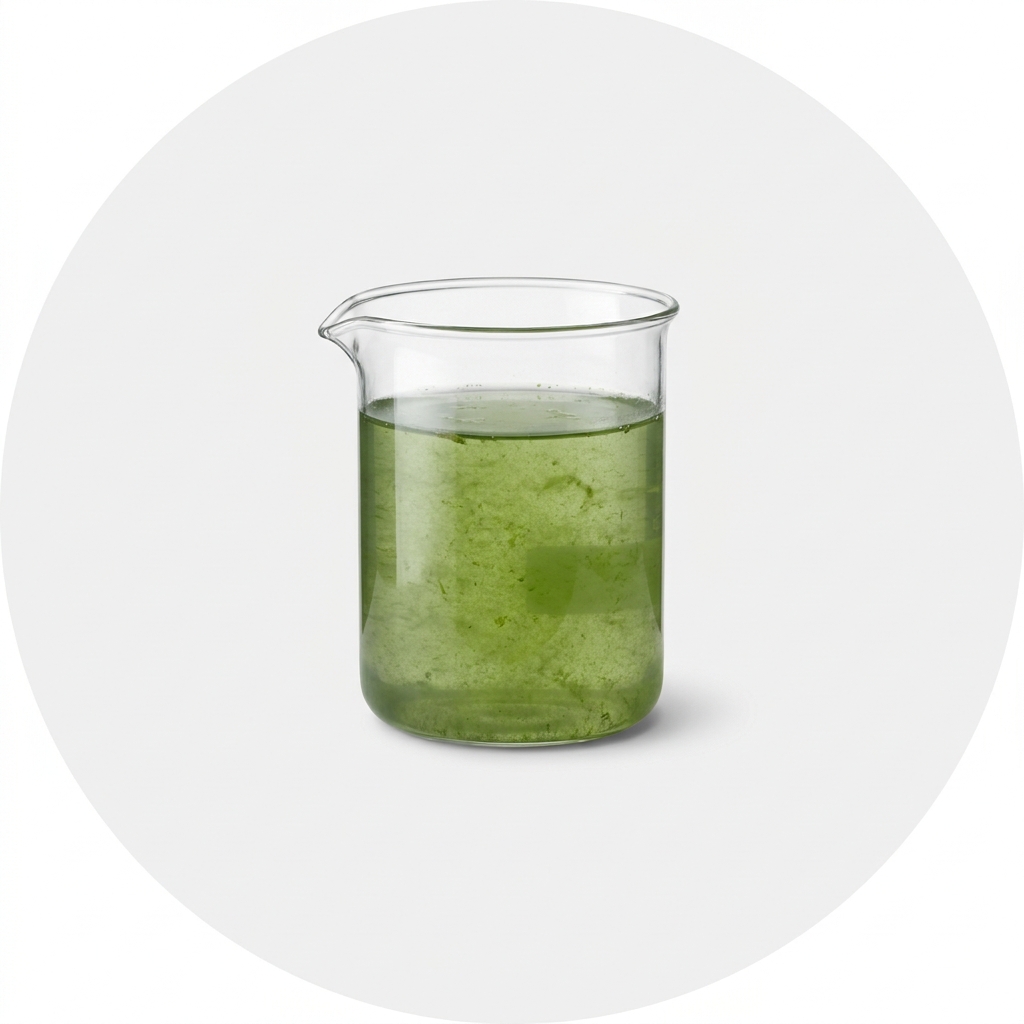
Iron and manganese can cause stains and cloudy water. You might also catch an odd, rotten-egg smell, which comes from hydrogen sulfide gas. None of this is dangerous, but it can throw off your chlorine and leave marks on your liner. Test your well water before you fill, since a simple kit will flag any problem minerals.
Capacity matters just as much. Can your well handle a large backyard pool without running dry? Emptying a well is a costly mistake that can mean drilling a new one. Even if your pool is the only heavy draw, keep an eye on the strain it puts on your pump and filter.
Utilize Well-Water Efficiently
Tapping a well is a smart way to save on a refill. There's no monthly bill for the water itself, which is why it appeals to budget-minded pool owners. Before you start pumping, though, keep a few things in mind.
Test first, always
Well water is untreated and often carries iron, sulfur, and manganese. Those minerals can damage equipment, cause stains and scaling, and make your chemistry harder to balance. Many pool owners learn this the hard way, filling up with well water and ending up with cloudy water and ugly stains that cost time and money to fix.
Test your well water before the first drop goes in the pool — it's the cheapest insurance against stains and chemistry headaches.
Mind the well and the pump
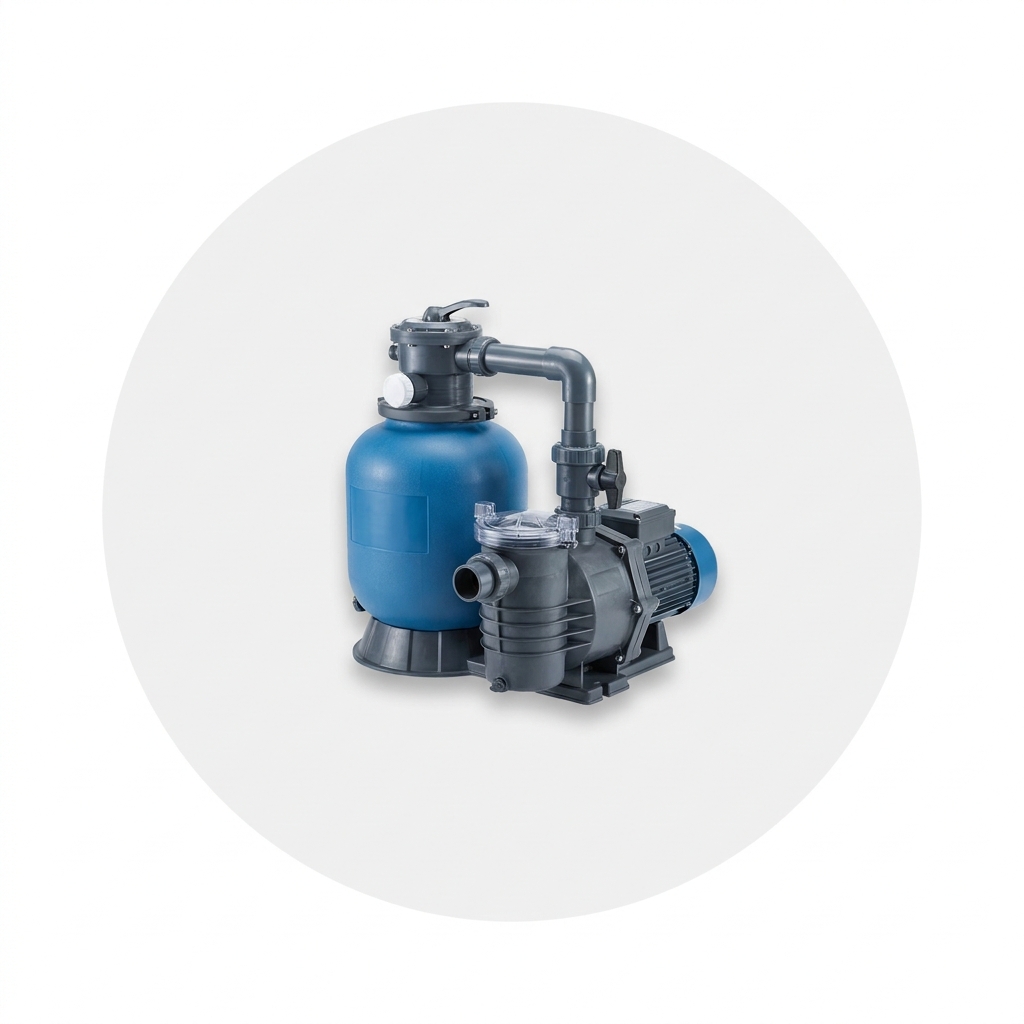
The water might be free, but pushing your well too hard can leave you with a dry spell. Pull too much too fast and you risk draining the well, which means a big bill for repairs or a new drill. Filling a pool also asks a lot of your pump, so keep up with maintenance, and consider an upgrade if yours is aging. Balance these things and you can lean on your well's natural supply without a nasty surprise.
Test and Treat Well-Water
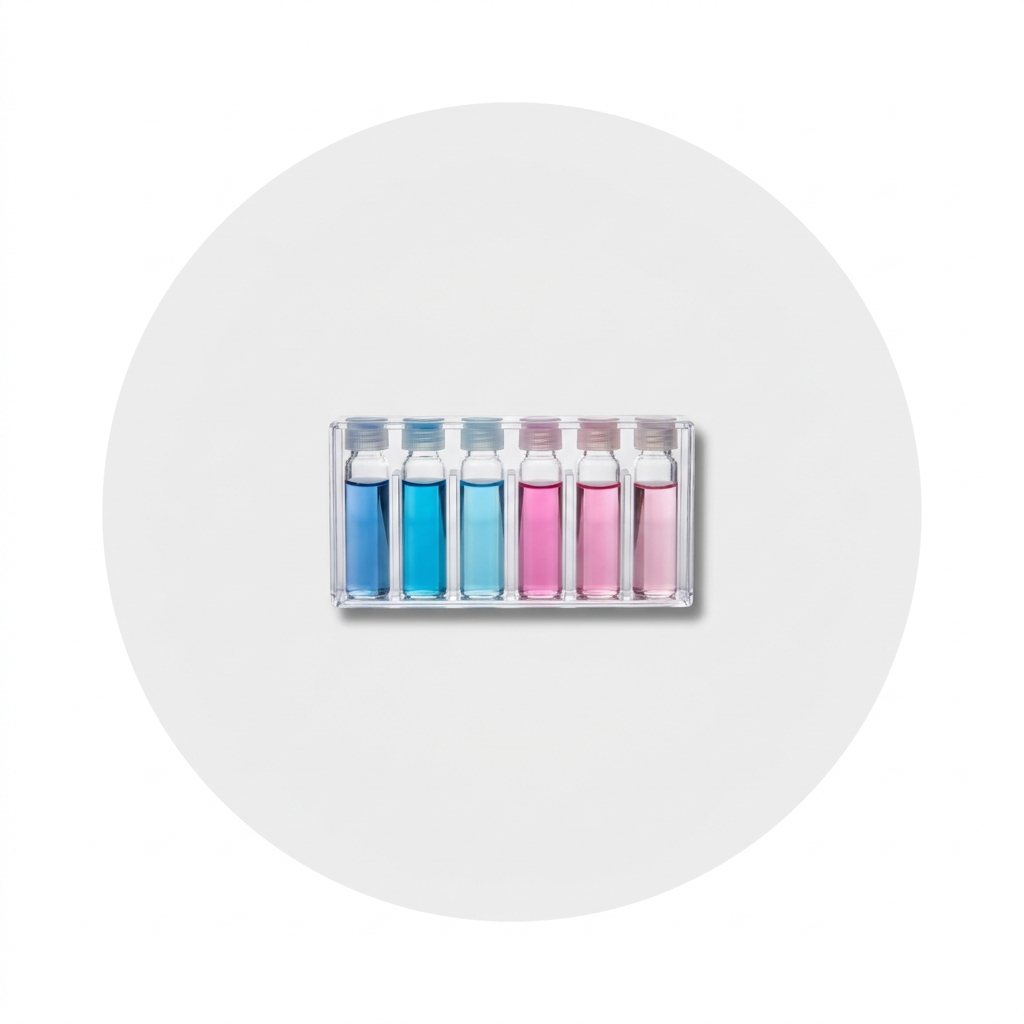
Filling with well water is tempting, especially if your well can supply the large volume a pool needs. Just remember that the same minerals we've mentioned — hydrogen sulfide, iron, and copper — can throw off your chemistry and stain your surfaces if you don't plan ahead. A full water test kit tells you exactly what's in there so you can line up the right treatments before you fill.
The softener factor
If your well is the only water source for your home, you may already run a softener that eases some of the mineral trouble. That helps, but it wears on the system, and it uses salt and electricity. Add those costs up and make sure the math still works in your favor. Do that, and you can enjoy the savings without hurting your pool or your equipment.
Protect Pool Water Levels
Keeping your water level steady comes down to prevention. The small habits that stop your pool from losing water also protect your wallet.
Cover, plant, and inspect
A solar pool cover is the simplest win. It cuts evaporation and keeps debris out, so you clean and top off less often. Landscaping helps too. Trees and shrubs placed in the right spots act as windbreaks and slow wind-driven evaporation, and something like a row of lavender does double duty by making the yard smell good.
Don't overlook leaks. A small one you never address adds up to a lot of lost water over time, so check your liner and plumbing regularly for signs of wear. Catching a tiny tear early can save you a hefty bill. Finally, gentle entries help. Big cannonballs are fun, but they send gallons over the edge. A little awareness keeps your pool full and your costs low.
Conserve Water with Smart Planning
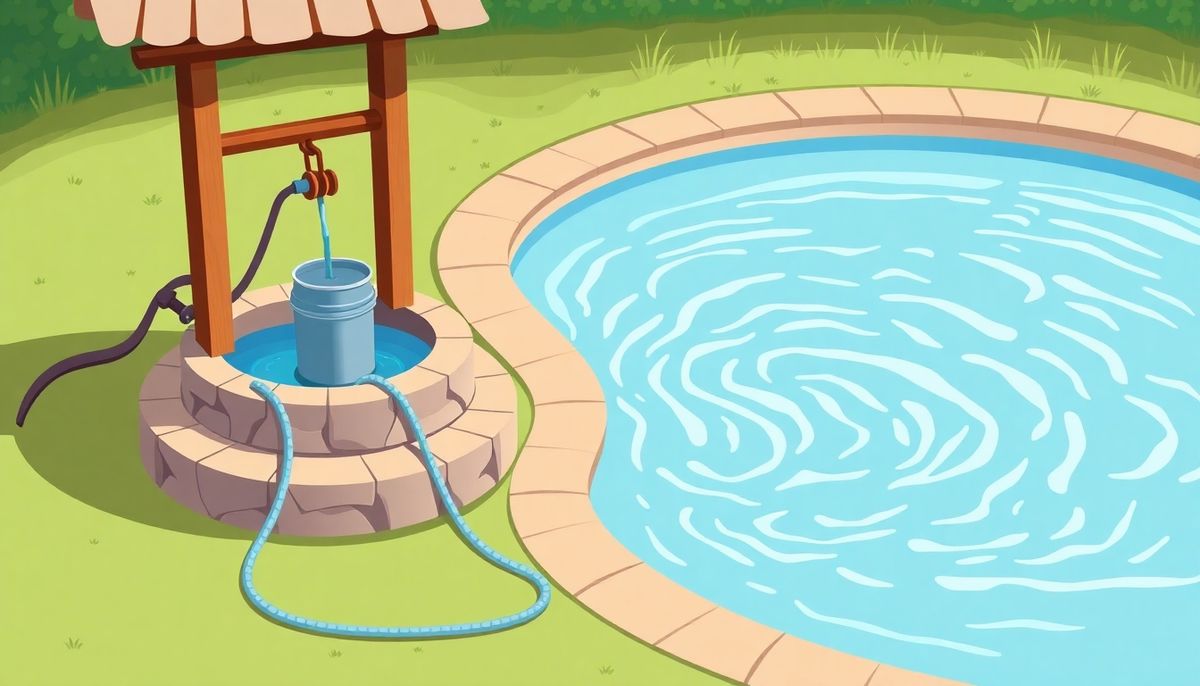
A little planning goes a long way toward saving water and money on a refill.
Catch the rain and watch the clock
Set up a rainwater collection system. A few barrels in the right spots let you put nature's supply to work, and in a wet spring you can collect enough to fill a good chunk of the pool. That trims your bill and makes your home a bit greener.
Timing helps too. Many cities charge lower water rates at night, when demand drops. Set your hose up before bed, let it run overnight, and you may get a pleasant surprise on your next bill. Keep an eye out for local conservation programs as well, since some areas offer rebates or discounts on water-saving devices. Stay informed and you'll save money while helping your community use less.
Optimize Pool Water Delivery
Refilling without spending a fortune often comes down to mixing and matching a few sources. Start with what you already have. If you're on city water, a quick call to your utility might turn up special rates or exemptions, like waived sewage fees during a pool refill.
When you don't have a well
If your home runs on well water, you're in good shape, as long as you watch capacity and quality. Testing for iron and copper upfront saves future headaches and the cost of extra treatment. If you don't have a usable well, water delivery services offer convenience for a price. Shop around for quotes from a few companies, since the rates can be surprisingly competitive. Weigh those against city water and one option often comes out clearly cheaper.
Utilize Well Water Wisely
If you've got a private well, using it to fill your pool can feel like a jackpot. What catches many owners off guard are the quirks of mineral-rich water.
Well water often carries iron, copper, and sulfur that seep into the water table naturally. They're mostly harmless, but they can be a pool owner's nightmare. That rusty iron tint stains liners and surfaces, and sulfur can knock your chemistry out of balance and turn upkeep into a juggling act. Test for these minerals before you commit to a full fill. A sample sent to a local lab can save you headaches and dollars later. Make sure your well can supply the volume you need without running dry, too. The upfront cost may be low, but the ongoing care deserves a careful look.
Prevent Water Waste Efficiently
Every drop counts when you're trying to save water and money. The goal at refill time is to use water wisely and skip the waste.
Beat evaporation
A solar pool cover cuts water loss dramatically. It's not just about blocking the sun. It's a physical barrier that stops water drifting off in the wind. In cooler months, a liquid solar cover adds another layer — that's a microscopically thin liquid that spreads across the surface and slows evaporation, though not as much as a solid cover.
Next, think about leaks. It's surprising how much water and money slip away through even a small hidden one. Check for damp spots now and then, and if the level drops more than usual, look closer. A quick repair can save thousands of gallons over time. Finally, keep an eye on splashing and shut off water features when nobody's using them. These simple habits keep your pool full and your wallet protected.
Avoid Expensive Pool Leaks
Surprise expenses can take the fun out of owning a pool fast, and hidden leaks are one of the worst. A small trickle can quietly drain your budget along with your water.
Make inspections a habit
Look for uneven water levels or wet patches around the pool. Those subtle clues often mean something's wrong. A good cover helps here too, because it cuts evaporation, which can look a lot like a leak. A simple dye test near a suspicious spot tells you whether it's a real leak or just thirsty summer air.
If your water drops more than an inch a day and nobody's been splashing, suspect a leak and check it right away.
Plenty of owners miss a small tear near the skimmer until the water bill jumps, and a quick patch would have saved hundreds. If leak-hunting isn't your thing, call a professional. They find and fix problems fast, heading off structural damage that costs far more later. The repair might sting, but it's a smart trade for protecting your water and the pool itself.
Choose Cost-Effective Water Sources
For refills, less common water sources can save both money and resources. Instead of reaching for city water by default, think about rainwater. If you get a decent amount of rain, a harvesting system pays off. A couple of well-placed barrels, or a bigger catchment setup, collect rain for free and store it until your pool needs it.
Bulk delivery and greywater
If you'd rather buy water in bulk, shop around among delivery services, since rates vary and a little haggling can help. It's often cheaper than you'd expect once you compare a few quotes against your city rate.
If you've got a creative streak, look into greywater recycling, which means reusing water from things like laundry. It takes setup and strict attention to safety rules, but filtered greywater used for non-drinking purposes like a pool refill can cut costs. Each option has its trade-offs, so a little research points you to the best fit.
Implement Water-Conservation Strategies
Water-saving habits help the environment and keep your wallet in check. Instead of a pricey full refill, many owners do better with partial refills and focus on keeping the water they already have. That saves a lot of cash and lowers their impact.
Small habits, real savings
Start with a pool cover, which can save hundreds of gallons a year. A solar cover also holds in heat, so you run the heater less. In a windy spot, plant hedges or put up windbreaks to keep the breeze, and the evaporation it brings, at bay.
Regular maintenance catches leaks before they become budget-busters, so check your walls and plumbing often. When you backwash the filter, only do it when you need to and watch the sight glass. Even easing up on the splashy play adds up. Work these steps into your routine and you'll keep your water level where it should be, affordably.
Address Pool-Leak Issues Promptly
That steady drip isn't just annoying. It's a tug on your wallet. A small, harmless-looking leak can add up to a big loss over weeks or even days. If your level drops more than an inch a day and nobody's been swimming, suspect a leak.
Track it down
Finding the source can feel like hunting for a needle in a haystack, but it matters. Start with the shell, plumbing, and equipment. If you'd rather not do it yourself, hire a pool pro. The upfront cost can look steep, but it usually pays off through lower bills and by preventing structural damage. Put a leak off too long and the escaping water can erode the soil around the pool, which leads to far more expensive repairs. Move fast. A simple dye test or a call to an expert stops a small problem before it makes a big splash in your finances.
Maximize Savings with Solar Covers
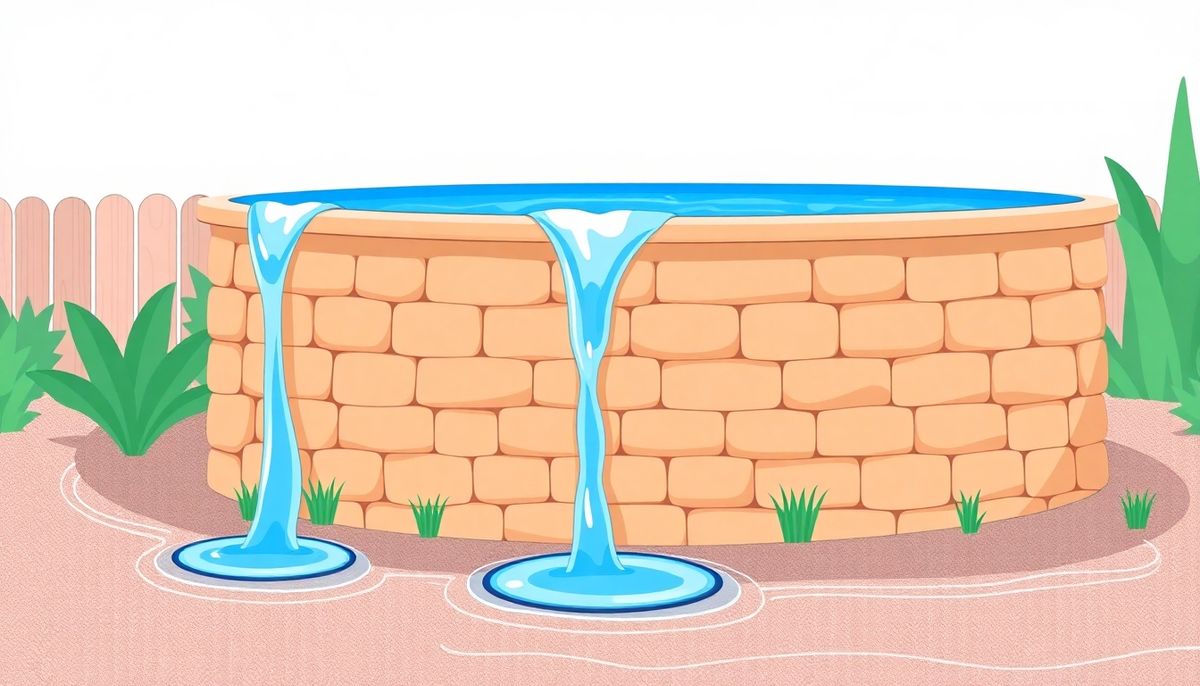
Think of a solar cover as your pool's best defense against wasted water and money. It works like an invisible shield against evaporation. On average, an uncovered pool loses about a quarter to half an inch of water a day just to evaporation. Over a year, that's thousands of gallons gone.
One tool, two savings
A solar cover is basically a giant floating blanket that traps heat and holds your water temperature while cutting evaporation by up to 95%. You save water and run the heater less, which drops your energy bills. In cooler months, or as an alternative, add a liquid solar cover — that thin liquid layer on the surface offers some protection, just not as much as the physical cover.
A solar cover can cut evaporation by up to 95%, saving both water and the energy you'd spend reheating the pool.
It's a one-time purchase with long-term payoffs. Owners who try one often notice a lower water bill and fewer trips for chemicals. Add this one tool and you'll stretch your water further while running a greener, cheaper pool.
Refilling your pool shouldn't drain your wallet. The trick is tapping low-cost water sources that fit your situation. If you have a well, you can fill at zero cost per gallon. Just confirm the well can handle the volume and test the water quality first. Iron or that sulfur smell can mean higher maintenance later, and the chemicals to rebalance a well-filled pool can eat into your "free water" savings.
No well? Look into rainwater collection. There's an upfront cost, but a simple setup of barrels and gutters can save a lot on summer bills. Check your local rules on rainwater harvesting first, since they vary from place to place.
Another option is a deal with a local farm or business that has water to spare. Some have surplus they'd rather move than store, and a nearby nursery or similar operation might deliver it for a fraction of what you'd pay otherwise. It comes down to looking around and thinking creatively, so you can enjoy the pool without draining your savings.
Protect Your Pool Investment
Protecting your pool isn't only about clean water or good looks. It's a financial safeguard. Put off minor repairs and a slight summer leak can turn into a costly fix by fall, which is why regular check-ups matter so much.
Cover, landscape, and act fast
Water conservation starts with smart choices. A solar cover cuts evaporation, a sneaky culprit that can rob your pool of hundreds of gallons on a long, sunny day. That one-time expense saves a lot over time. Landscaping helps too. Plants or barriers in the right spots cut wind exposure and slow evaporation, and tall shrubs add privacy while keeping levels steadier on breezy days.
Finally, deal with leaks right away. A tiny crack can grow into a major problem, so if you're unsure, call a professional. It's money well spent that saves you from surprise costs later.
Minimize Water Loss Strategies
Conserving your pool's water means keeping every drop where it belongs. One of the sneakiest culprits is evaporation, which can pull off up to half an inch a day and thousands of gallons a year. A solar pool cover fights it and helps hold your temperature, and a liquid solar cover shores up your defenses in cooler months.
The landscaping around your pool is a surprising ally. Shrubs or fences in the right spots act as windbreaks, cutting water loss and keeping leaves out. Watch your level closely, too, since a big daily drop can signal a leak worth fixing quickly. Encourage mindful play, set fountains and jets to run only when you need them, and take care of your filter. Backwash efficiently and you'll keep the pool full and your spending down.
Minimize Splashing for Cost-Cuts

Keeping water in the pool rarely gets attention, but cutting splash-out is a real way to save. A big cannonball is fun to watch, yet every drop that leaves the pool is money down the drain.
Balance fun and saving
You can rein in splash-out with a few simple ground rules. Encourage calmer entries and exits instead of tidal waves. That doesn't mean squashing the fun. You might set aside a splash zone for the big jumps so people can go wild without dropping your water level too much.
Excited swimmers aren't the only issue. Fountains and waterfalls look great but spill water, so turning down the flow or limiting their run time saves gallons. If it's practical, install splash guards that steer water back into the pool. Even small tweaks add up. Keep water where it belongs and you also hold your chemistry steady, cutting the need for pricey treatments.
Plan Your Fill-Up Strategy
A good fill-up plan takes more than turning on a hose and hoping for the best. It's about balancing cost, resources, and time for your situation. Start with where you live. Are you in a drought-prone area where water spikes in the dry season, or somewhere with plenty of rain you could capture?
Know your numbers
Figuring out your pool's exact volume is key. People often under- or overestimate their capacity, which leads to wasted money or a shock when the bill lands. Use an online calculator or a tape measure and get accurate figures before you start.
Then get creative. If well water is available, make sure your equipment can handle it and always test for minerals that could wreck your chemistry. If city water is your only choice, call your utility about rates, since you might uncover a discount or waived sewage fees for pool fills. Timing matters too. Filling during off-peak hours eases the strain on the local supply and your wallet, leaving more money for summer fun.
Conclusion

A little mindfulness at refill time really does add up. Choose the right water source, cover your pool, fix leaks early, and keep the splashing in check, and you'll spend far less while keeping your water clean and clear. Those small habits are what separate a pool that drains your budget from one that pays you back in easy summers.
Want to get even better at this? Our free Pool School course covers everything you need to know about pool care. From basic maintenance to advanced troubleshooting, you'll learn how to:
- Save thousands on pool repairs and chemicals
- Keep your water crystal clear year-round
- Prevent and solve common pool problems
- Master water chemistry with confidence
Join over 10,000 pool owners who have already changed their pool care routine. Get started with our free Pool School course today!
What you need
Grab a water test kit, a solar cover, and a leak dye test to start saving on your next refill.