
Florida · Pool Leak Detection & Repair · Updated 2026
34 pool leak detection companies in the Miami area — pressure testing, dye tests, electronic listening and underground plumbing repair — ordered by customer rating and review count, with 2026 detection prices. 10 are listed as specialists for this work; the rest are pool repair companies that routinely handle it. This page shows the top 20.
Ordered by customer rating and review count across the Miami area. Listings include the available rating, contact details and location; confirm current credentials and scope directly.

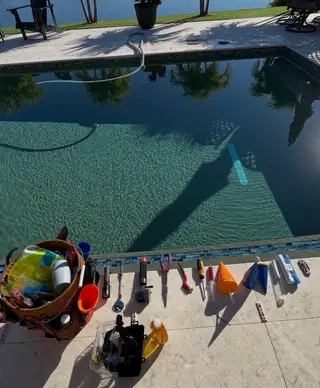
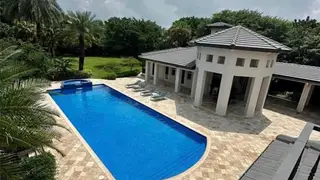
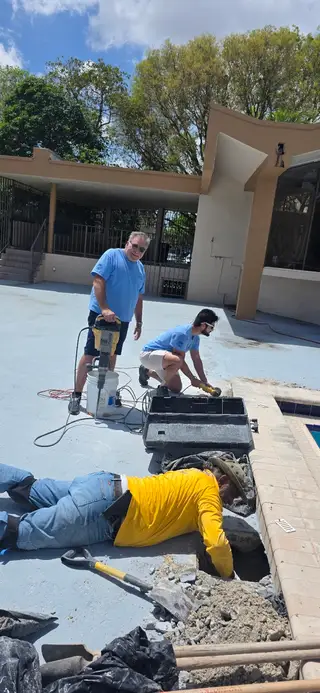
Dedicated leak companies bring pressure-testing and listening gear; repair companies find most plumbing and fitting leaks and call in a specialist for the hard ones.

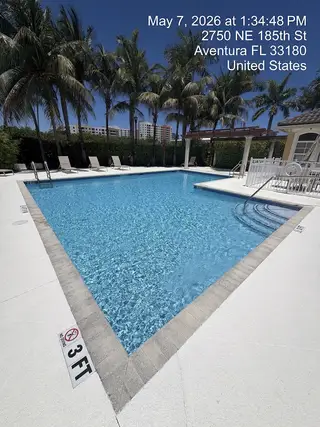
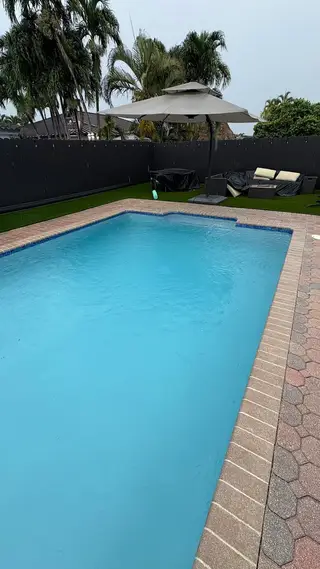
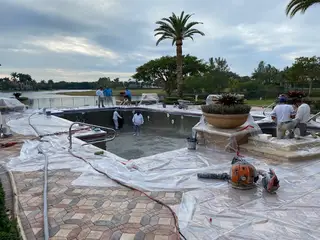
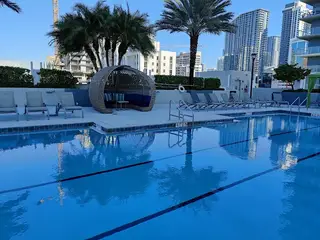
A full leak detection in Miami — pressure testing every line, dye testing the shell and listening for underground breaks — typically runs $250–$500, with the repair priced separately:
| Job | Typical Miami price |
|---|---|
| Full leak detection (pressure + dye + electronic) | $250–$500 |
| Pressure test only | $150–$300 |
| Skimmer or return fitting repair | $300–$1,150 |
| Light niche / conduit seal | $250–$875 |
| Vinyl liner patch | $100–$300 |
| Structural crack repair (staples, epoxy) | $500–$2,400 |
| Underground plumbing repair | $500–$2,900 |
Florida labor rates are close to the national baseline used for these estimates. Most leaks turn out to be at fittings, the skimmer throat, the light niche or the equipment pad — cheap fixes once found. Underground line breaks that need the deck cut cost the most, so ask how the company pinpoints them before digging.
A 24-hour bucket test tells you whether the loss is evaporation and whether it happens with the pump on or off — the two facts that shape the detection visit.
Miami market
4.8 average customer rating · 1319 reviews · 34 companies · 10 specialists
See All on the Map →34 pool leak detection companies in the Miami area. 10 are listed as specialists for this work; the rest are pool repair companies that routinely handle it. The ranked companies average 4.8 stars across 1,319 customer reviews. PoolPad orders the list with a weighted score that combines customer rating and review count, so a long track record counts for more than a handful of scores.
Florida digs sand rather than rock, but the high water table is the central engineering issue. Builders may dewater the excavation and specify hydrostatic relief valves; never fully drain a Florida pool without professional guidance because an empty shell can lift out of the ground. Coastal builds add corrosion-resistant equipment for salt air. Soil movement, tree roots and old fittings are the usual culprits; a leak that appears after a drought or a wet season often traces to the ground shifting around the plumbing.
For statewide rankings, city counts and Florida prices, see the Florida pool leak detection directory, or check the nearby cities below.
Run a bucket test for 24 hours with the pump on, then off, and note the difference — losing water only with the pump running points to the pressure side, only with it off to the suction side or shell. Check the pad for wet ground and the backwash line. That information lets the company quote the right test and often shortens the visit.
A full leak detection in Miami, FL — pressure testing the lines, dye testing the shell and electronic listening — typically runs $250–$500, with a pressure test alone at $150–$300. Repairs are priced separately: a skimmer or return fitting $300–$1,150, a light niche seal $250–$875, a structural crack $500–$2,400, and an underground plumbing repair $500–$2,900 depending on how much deck has to be opened. Florida labor is close to the national baseline used for these estimates.
Do a bucket test: set a bucket of pool water on a step, mark both water levels, and compare after 24 hours with the pump running, then repeat with it off. Evaporation drops both marks equally; a leak drops the pool more. Summer evaporation runs roughly a quarter inch a day, more with wind, heat and a spa spillover. Losing an inch or more a day, wet spots around the deck or pad, or air in the pump basket point to a leak.
Usually. Fittings, skimmer throats, light niches, small plaster cracks and vinyl patches are repaired underwater with epoxy, putty or patch kits. Underground plumbing is repaired by cutting a small section of deck, or by relining or rerouting the line. Draining is reserved for large structural cracks or a full resurfacing.
Evaporation alone typically costs an inch or two a week in Miami during March through November — and year-round from Orlando south, more in hot, dry or windy weather and when a heater or spa spillover is running. Splash-out and backwashing add to it. If you are topping off more than a couple of inches a week, or the autofill runs constantly, get a detection visit — a small leak wastes thousands of gallons and the chemicals in them.
The prime outdoor season in Miami runs March through November — and year-round from Orlando south — roughly 10 months of comfortable unheated swimming — and pools stay open and running year-round rather than being winterized. From Orlando south, pools are swimmable most of the year; North Florida gets a genuine but short winter. The flip side of paradise is summer: daily thunderstorms dump rain and debris, and 88° water eats chlorine — algae never really takes a month off here.
O.P. Pool Leak Detections LLC has the highest customer rating on this Miami list at 5 stars across 148 reviews. Ecoloboost Pools - Leak Repair has the largest review count (310 reviews at 4.9 stars). PoolPad orders the list with a weighted score that combines customer rating and review count, so a long track record counts for more than a handful of scores.
Rarely for the leak itself: wear, tear and gradual damage are excluded from most policies. Sudden events — a pipe burst by a freeze, or damage caused by a covered peril — may be covered along with resulting damage to the deck or house. Keep the detection report and photos; some policies reimburse the detection fee when the resulting repair is covered.
A full detection visit usually takes two to four hours: pressure testing each line, dye testing the shell, listening for underground breaks and, if needed, a diver. Simple repairs at fittings are often done the same day; underground plumbing repairs that require cutting and patching the deck take one to three days including concrete cure.
Check pool leak detection in cities near Miami, or open the Florida directory for every listed market in the state.
Claim your free PoolPad listing, check leak detection among your services, and show Miami pool owners losing water that you can find the problem.