




A hot tub is one of the best ways to unwind after a long day. Setting one up can feel like a lot at first, but with a little guidance you'll be soaking before you know it. I still remember helping a friend set up their first tub. What looked like a chore turned into a fun afternoon, and there's real satisfaction in getting something ready that gives you this much comfort.
Setup is more than filling the tub and flipping a switch. You've got to think about where it sits, the water chemistry, and the upkeep that keeps it clean. Every choice, from the spot you pick to the chemicals you use, shapes how good it feels.
I'll walk you through it in manageable steps. Whether this is your first setup or a refresher, my aim is to give you everything you need. Soon enough you'll be soaking in warmth, glad you did the work.
Your Action Plan
- Cut all power at the breaker before you touch water.
- Flush leftover antifreeze from the footwell and drain the tub.
- Scrub the shell and cover, then clean or replace the filters.
- Refill through a hose filter to just below the headrests.
- Prime the pump and clear any air locks.
- Balance pH, alkalinity, and sanitizer, then run the jets to mix.
Clean and Prep Your Tub

Flush the antifreeze first
Before you settle in, you want clean, safe water. Whether your tub is fresh out of the box or has sat unused for months, that first cleaning is a step you can't skip.
Start with any antifreeze left over from shipping. Fill the footwell with water, run the pumps for a few minutes to flush the chemicals out, then drain the tub completely. For a tub that's been sitting, cleaning matters even more, since standing water grows bacteria fast.
Clean the shell, cover, and filters
Once it's drained, scrub the shell and cover with a non-abrasive cleaner (one that won't scratch) and a soft cloth, then rinse well. That keeps the water from foaming when you refill. Give your filters the same care until they're free of debris. A dirty filter clouds the water and makes the system work harder; an overnight soak in filter cleaner gives them a deep clean if they need it.
Before you refill, reconnect any drain plugs or fittings if you'd winterized the tub, meaning it was drained and sealed up for freezing weather. A hose filter on the end of your garden hose catches impurities as you fill, so your water starts out clear.
Ensure Water Safety
Water safety is what makes a soak worry-free. When I set up my own tub last summer, this step was the difference between a relaxing retreat and a frustrating chore.
Start by scrubbing the surface with a non-abrasive cleaner. Then turn to the water. Fill through a hose filter to cut down on impurities and protect your plumbing over time. That matters a lot if your water runs high in minerals.
Filling through a hose filter keeps minerals and metals out of your water and saves you from scale and stains later.
Next, balance the water chemistry. It might feel like a flashback to chemistry class, but it's easier than it looks. Test the pH, alkalinity, and sanitizer every week. I learned this the hard way after my spa turned an unwelcome shade of green, and keeping it balanced is far easier than fixing it later. And clean your filters regularly so they keep your water clear.
Remove Antifreeze Residue
Before you relax in a freshly filled tub, get rid of any antifreeze residue. It's not exciting, but it matters for a safe soak. Antifreeze may have been added to protect the tub during shipping or cold storage. It keeps pipes from freezing, but it's not something you want in your spa water.
Fill the footwell, the lowest part of the tub where your feet go, with clean water. You don't need a full fill, just enough to run the pumps. If you've ever flushed a car radiator, this is similar: you're circulating clean water to push out leftover antifreeze. Turn on the pumps and let them run a few minutes.
Once it's circulated, drain the tub completely, then rinse it thoroughly to clear the last traces. Now you're ready to fill for a clean start.
Clean and Refill Tub
Owning a hot tub means getting friendly with the less glamorous side of things: cleaning. It takes a little elbow grease, especially if the tub has been sitting idle.
As we covered, start with a good rinse of the footwell and a quick run of the pumps to flush out any antifreeze that settled during transport, then drain completely. If your tub went through a winter shutdown, reconnect all the parts you'd sealed off before you refill.
Next, scrub the shell with a non-abrasive cleaner and a soft cloth to protect the glossy finish. Don't skip the cover, since it's your first line of defense against debris. A clean shell and cover look inviting, and they stop foam from forming once the jets kick on.
With the old water gone and the surfaces gleaming, refill. A hose filter is your best friend here. Fill to just below the headrests, and remember that a few enthusiastic splashes will naturally raise the water line.
Fill and Drain Safely
The details make all the difference when you're prepping a hot tub, and filling and draining shouldn't feel chaotic. Before you fill, make sure all the important connections (drain plugs, fittings, anything you sealed off for winter) are snugly back in place. People skip this all the time, and it leads to more than a little splashing.
Then clear out the antifreeze, same as before: put fresh water in the footwell, let the pumps run a few minutes, then drain. That quick rinse keeps you from soaking in antifreeze soup.
Once the tub is free of unwanted additives, freshness is the goal. Pick your cleaner and follow the label closely. Let the jets run for a thorough clean, then drain again. It feels repetitive, but it keeps your water quality high and puts you one step from a perfect soak.
Disconnect Power Before Draining
Nothing quite matches the sinking feeling of realizing your tub is still hooked up to power right as you start cleaning. Power and water don't get along, and you don't want them mixing in your backyard.
Find your hot tub's power source. It's usually not a simple switch next to the tub, so head to your circuit breaker and shut it off completely. Unplugging the unit adds another layer of safety, so no stray electricity is around while you clean and empty the tub.
Always shut off power at the breaker before you drain or clean your tub, because water and electricity are a dangerous mix.
When I first got my tub, I nearly skipped this in my excitement. A friend who'd owned one for years reminded me how dangerous mixing electricity and water can be, and I've never skipped it since. Make sure your tub is electrically dead before you drain. That small step buys peace of mind and lets you focus on the work.
Clean and Refill Thoroughly
First things first: disconnect the power completely before you touch anything. Soaking in murky water is nobody's idea of relaxing, and shocking yourself is worse. With the power off, you can clean and refill safely.
Flush out any leftover antifreeze by filling the footwell with water, running the pumps briefly, then draining completely. If your tub has been sitting with water in it, bacteria have likely gotten comfortable, so a full drain and clean is a must.
After the first purge, refill with fresh water and use a good jet and drain cleaner for a deeper clean. Let the jets run long enough to reach every corner. Gunk from lotions and other residue builds up over time, but regular cleaning keeps your water clear. Before refilling, double-check that all drain plugs and fittings on a winterized tub are secure.
Use a Hose-Filter for Purity
Why a hose filter is worth it
Filling a hot tub with fresh water feels like a fresh start, and a hose filter makes that start as clean as possible. You might not think much about the water from your garden hose, but it often carries minerals, metals, and calcium that slowly damage your tub. Iron or copper can turn your water green or brown, and no owner wants that.
Think of a hose filter as your first line of defense. It's a simple attachment that pulls out those impurities right at the source, sparing you future headaches and expenses from mineral buildup or clogged systems. One time I skipped it and spent weeks battling stubborn white scale on the tub's surface. I've never set up a tub without one since.
If you don't have a hose filter on hand, running the hose straight into the filter well is a decent backup. It gives you a little filtration and helps prevent air locks, which are a pain to clear.
Prime Hot Tub Pumps
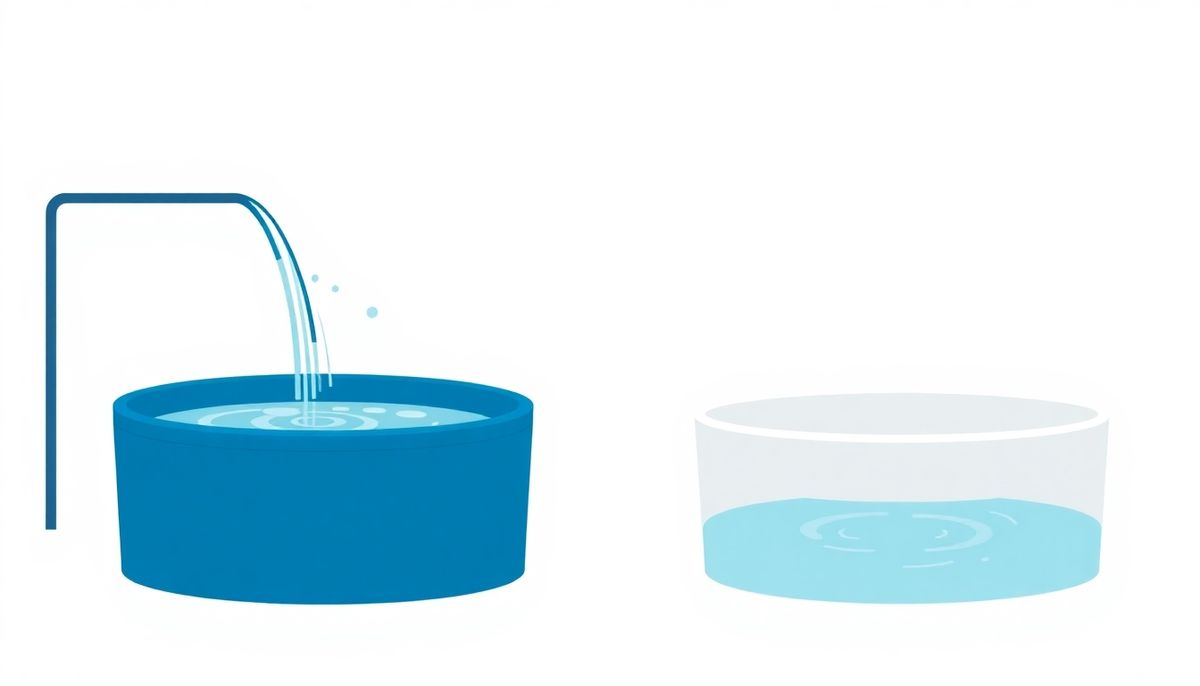
The pump is the heart of your spa. It moves water through the filters to keep it clean and powers the jets that give you that soothing massage. If you turn on your tub and the water sits dead still, your pump usually needs attention.
I learned to check and prime the pump the hard way. On a chilly evening I was looking forward to a warm soak, but the jets spat out little spurts instead of a steady flow. The manual showed that air had gotten trapped in the lines, a common problem called an air lock. Releasing the air through the bleeder valve fixed it fast.
Regular pump care, including priming and checking for blockages, keeps problems like that from happening. Read the manufacturer's directions closely, since priming methods vary between models. Keep your pump in good shape and you're set for countless evenings of uninterrupted relaxation.
Prime Your Hot Tub Pump
Priming the pump keeps your spa time smooth. Every pump system is a little different, so your first stop should always be the user manual.
Some newer tubs have a self-priming feature. If yours does, a quick setting on the control panel handles it. If you prime manually, that's simple too. Find the bleeder valve, usually right on the pump. Open it gently until you hear air hissing out, then close it once water flows in a steady stream.
It's common to run into an air lock, where trapped air keeps water from flowing through the jets. If it happens, don't worry. A small adjustment of the bleeder valve gets your tub bubbling again, and then you're ready to add your start-up chemicals.
Clean and Drain Effectively
Keeping your tub clean matters for both your enjoyment and your health. As you've seen, start with any antifreeze left over from shipping: fill the footwell, run the pumps for several minutes, then drain. This flushes out unwanted chemicals and leaves your plumbing ready to go.
If your tub has been idle a while, freshen things up. Draining the old water stops any bacteria that crept in over time. A thorough rinse with a jet and drain cleaner does wonders, so follow the cleaner's directions carefully.
Once the plumbing's handled, don't overlook the shell and cover. Use a non-abrasive cleaner and a soft cloth to avoid scratches, and rinse thoroughly to dodge foamy surprises later. Stubborn stains may need a deeper clean. A clean tub is just as important as balanced water.
Ensure Safe Water Chemistry
Getting your water chemistry right is a balancing act. It's not just adding a splash of this and a sprinkle of that; it's about creating water where relaxation meets safety. I once forgot to balance the pH and ended up with dry, itchy skin, so it pays to do things right from the start.
Test, then balance pH and alkalinity
Begin with a testing kit to read your water's pH, alkalinity, and sanitizer levels. Those numbers are the foundation. Ideally your pH should sit between 7.2 and 7.8, with alkalinity from 80 to 120 parts per million. Keeping these in range prevents corrosion of the tub's parts and makes for a pleasant soak. If pH is too high, add a pH reducer; if it's too low, a pH increaser does the trick.
Keep pH between 7.2 and 7.8 and test weekly, because it's far easier to keep water balanced than to rescue it once it turns.
Sanitize and stay consistent
Once pH and alkalinity are balanced, turn to sanitizing. Chlorine and bromine tablets are both popular. Chlorine acts faster, while bromine holds up across a wider pH range. Check sanitizer levels regularly to keep bacteria at bay. Water chemistry isn't a one-and-done task, so test and adjust often, a lot like caring for a plant.
Install Fresh Filters
Swapping old filters for fresh ones is like changing the air filter in your car: small effort, big payoff. Filters are your first line of defense against dirt and debris. Start by finding the filter compartment, usually near the pump. It's easy to spot, but if this is your first time, your owner's manual gives you exact guidance.
Once it's open, take out the cartridges and look them over for wear. Even if they seem fairly clean, a deep clean is worth it. Soaking them overnight in a filter cleaning solution clears grime and restores their filtering power. If you spot cracks or damage, replace them.
Once your filters are clean or new, slot them back in and make sure they're seated properly so water flows through well. Handle the cartridges carefully so you don't damage them. For extra protection, use a hose filter while refilling to keep minerals and metals out.
Clean and Prepare the Tub
After a long break, or when breaking in a new tub, the first step to a good soak is getting the tub spotless. This is about hygiene and upkeep, not just looks. A friend once skipped it, eager to jump in, and ended up with murky water and a pile of problems.
Before you think about bubbles, cut all power to your hot tub to remove any risk of shock. Once it's safely unplugged, focus on the shell. Use a non-abrasive cleaner and a soft cloth to gently scrub away dirt and grime, especially in the corners and around the jets, where debris likes to hide.
Next, see to the filters. They work nonstop to keep the water clean, so pull them out and rinse them well. If they're extra grimy, an overnight soak in filter cleaner works wonders. If they're beyond saving, replace them. When you're done, rinse and drain any cleaning residue left behind.
Ensure Proper Water Circulation
Getting the most out of a hot tub takes a little finesse, especially with water circulation. The quiet teamwork of jets and pumps is the lifeline of your tub. A friend planned a relaxing evening under the stars, but the jets sputtered weakly and couldn't deliver the bubbles he expected. That's a clear sign of poor circulation.
Start by checking the water level. It should sit about an inch below the headrests so the jets stay fully underwater and perform at their best. Next, check the filter, since a clean one is critical for smooth flow. If you haven't already, soak your filters in a deep-cleaning solution.
Once the filters are in top shape, give your pump some attention. Check your manual to see if your system needs priming. Many newer tubs self-prime, but if yours doesn't, releasing air through the bleed valve does the job.
Inspect and Replace Filters
Filters quietly make sure every dip is in clean, clear water. Before you hop in, give them the attention they deserve. Pull the cartridges from their spots. Their look tells you a lot: if they're clearly worn or caked with grime, replace them. Fresh filters improve water quality and help the tub run more efficiently.
For filters that are just a bit dusty, a deep clean may be enough. Grab a hose and filter cleaner and rinse them well. For stubborn dirt, an overnight soak in a dedicated solution works wonders. My own filters often looked clean but ran much better after a soak. Once they're spotless, check once more for hidden wear before putting them back.
Using a hose filter when you refill prevents mineral buildup and extends the life of your filters. Keep your filters in top shape and each soak stays as good as the last.
Add Start-Up Chemicals
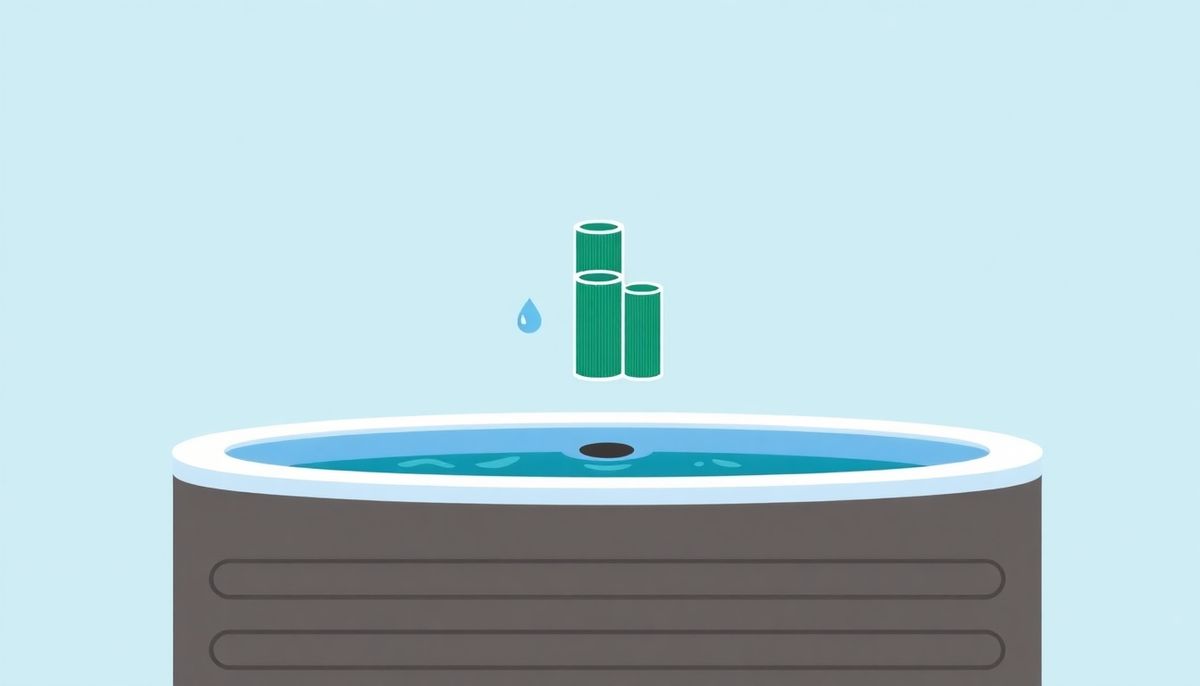
Nobody warns you about the chemistry lessons that come with a hot tub, but here we are. If you feel a bit like a mad scientist while pouring and measuring, you're not alone. This step keeps your tub a place to relax instead of a home for bacteria.
Start by letting your tub reach a cozy 80ºF (30ºC). Once it's warm, add your start-up chemicals. Begin with a sanitizer like chlorine or bromine to keep the water clean and clear. If you've never done this, follow the manufacturer's guidelines or check a full guide on hot tub chemicals.
Next, balance your pH, aiming for a range between 7.4 and 7.6. If it runs too high or too low, it can cause skin irritation or even damage the tub. An alkalinity increaser or decreaser may be needed to steady things.
Run the jets on low for at least 20 minutes after adding chemicals so every drop of water is treated evenly.
That patience and precision is what turns your tub into a place to truly relax.
Ensure Proper Drainage and Cleaning
A hot tub is a great place to unwind, but dirty water is a quick way to ruin the vibe. After downtime, or when welcoming a new tub, clearing out stagnant water is a must. New tubs often ship with a hidden surprise: antifreeze. It protects the plumbing during cold transport, but it's not something you want to soak in. Fill the footwell with water, run the pumps briefly, then drain it and take the antifreeze with it.
If you've neglected your spa a while, a full drain and clean isn't optional. Stagnant water invites bacteria to set up camp. Drain the tub completely, then use a jet and drain cleaner to clear out any residue, letting the jets run so every corner gets scrubbed.
Once the unwanted guests are gone, refill with fresh water and use a hose filter to keep impurities out. And as always, before any refilling or cleaning, disconnect all power. Electricity and water are a dangerous mix, and nothing ruins a soak faster than an unexpected shock. A clean tub is your ticket to worry-free soaking.
Conclusion
That's everything you need to keep your hot tub clean, safe, and ready whenever you want a soak. Start your spa care routine today.
Want to get more confident with hot tub care? Our free Pool School course covers everything from basic upkeep to troubleshooting. You'll learn how to:
- Save money on repairs and chemicals
- Keep your water crystal clear year-round
- Prevent and solve common problems
- Master water chemistry with confidence
Join over 10,000 owners who have already dialed in their care routine. Get started with our free Pool School course today!
What you need
Stock up on a hose filter, a non-abrasive cleaner, filter cleaning solution, a water test kit, and your sanitizer of choice so you can clean, refill, and balance in one go.