



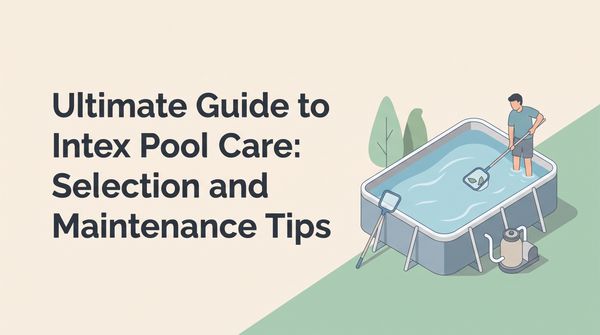
When the sun warms up your backyard, few things beat jumping into an Intex pool. They're affordable, quick to set up, and they turn a plain patch of yard into the summer hangout. But keeping that water clean takes more than the odd splash of chlorine. A few solid habits keep it clean, safe, and lasting for years.
My first summer with one, I skimmed almost every day, pulling out leaves and bugs. That chore taught me how the water and filter work together, and how pH and chlorine keep bacteria and algae from taking hold.
Advice is everywhere, but Intex pools have their own quirks. This guide gives you the parts you can trust, so upkeep feels less like a chore and more like a skill.
Your Action Plan
- Test the water often with a good kit and read your pH, alkalinity, and chlorine.
- Run the pump and filter at least 12 hours a day.
- Balance the chemistry: pH 7.4-7.6, alkalinity 100-150 ppm, chlorine 1-3 ppm.
- Skim, brush, and clean or backwash the filter on a regular schedule.
- Shock the water weekly, especially after a party or heavy rain.
- Cover, upgrade, or store the pool as the seasons change.
Master Intex Pool Chemistry
Getting the chemistry right is what stands between you and clear, cool water. My first summer taught me that fast. Enthusiasm alone won't do it, but a basic grasp of a few numbers will.
Test the water first
Start with a good testing kit and use it a couple of times a week. Two numbers matter most: pH and alkalinity. Your pH should sit between 7.4 and 7.6, which keeps the water comfortable on skin and easy on the pool. Alkalinity is the buffer that stops pH from swinging suddenly, and it should stay between 100 and 150 ppm. That's parts per million, a measure of how much is dissolved in the water. One scorching July week my pH dropped and my skin felt itchy. A couple of doses of sodium bicarbonate, plain baking soda, set it right.
Keep chlorine doing its job
Chlorine sanitizes the water, and you want it between 1 and 3 ppm. Busy days pull it down fast. After one weekend party I woke up to murky water, so I shocked the pool. Shocking just means adding a big, concentrated dose of chlorine to quickly kill off bacteria and anything else that's built up. That, plus some filter time, brought the clarity back.
Test your water at least twice a week, and always after a party or heavy rain, so you catch small problems before they cloud the whole pool.
Choose the Right Intex Pool
Picking the right Intex pool is mostly about your space and how you'll use it. Options run from simple inflatables to sturdy steel frames.
Simple, sturdy, or roomy
If you want easy, the Easy Set pools are a great start. Thanks to the inflatable top ring, you can have your mini-oasis ready in a few hours. They're perfect for families who want to splash around without giving up backyard space long-term.
If durability tops your list, look at the Metal Frame pools. The powder-coated steel resists rust and weather, so they hold up to rowdy swim sessions and summer storms. And if you picture swimming laps or want a more traditional shape, the Rectangular Frame Ultra pools give you more room and a solid build. There's something here for every backyard and budget.
Master Pool Maintenance Essentials
Keeping an Intex pool clear comes down to three things: circulation, chemistry, and the right tools.
Start with the pump and filter
The pump and filter are the heart of the pool. I still remember the steady hum of mine the first time I set it up. Keep the system running at least 12 hours a day so the water circulates well. That's what stops it from going stagnant and building up gunk.
Then balance the water
A balanced pool is an easy pool. Stick to the ranges from earlier, pH 7.4 to 7.6 first, and the rest tends to fall in line. Last, gather a few good tools: a skimmer, a reliable test kit, and maybe a robotic cleaner if scrubbing isn't your thing. On weekends I like skimming leaves off the surface. It's oddly calming, and it keeps small messes from becoming big ones.
Balance Chemicals for Clean Water
Clean water makes swimming fun and safe, and it takes a bit of balancing to get there.
Nudge pH and alkalinity into place
Your main focus is pH, and the sweet spot is 7.4 to 7.6. That keeps the water from turning too acidic or too basic, which protects both your skin and the pool. If it drifts, baking soda nudges the pH up, while a little dry acid brings it down. Alkalinity is the quiet helper that keeps pH steady, so aim for 100 to 150 ppm. A friend once ignored her alkalinity, and her pool became a chemistry problem she couldn't fix quickly. I check both without fail now.
Shock on a schedule
Chlorine keeps bacteria and algae away, and when it drops below the 1 to 3 ppm range, a shock brings it back fast. A weekly shock, especially after a busy swim day or a rainstorm, keeps contaminants from getting a foothold. It's a small habit that gives you real peace of mind.
Enhance Durability with Upgrades
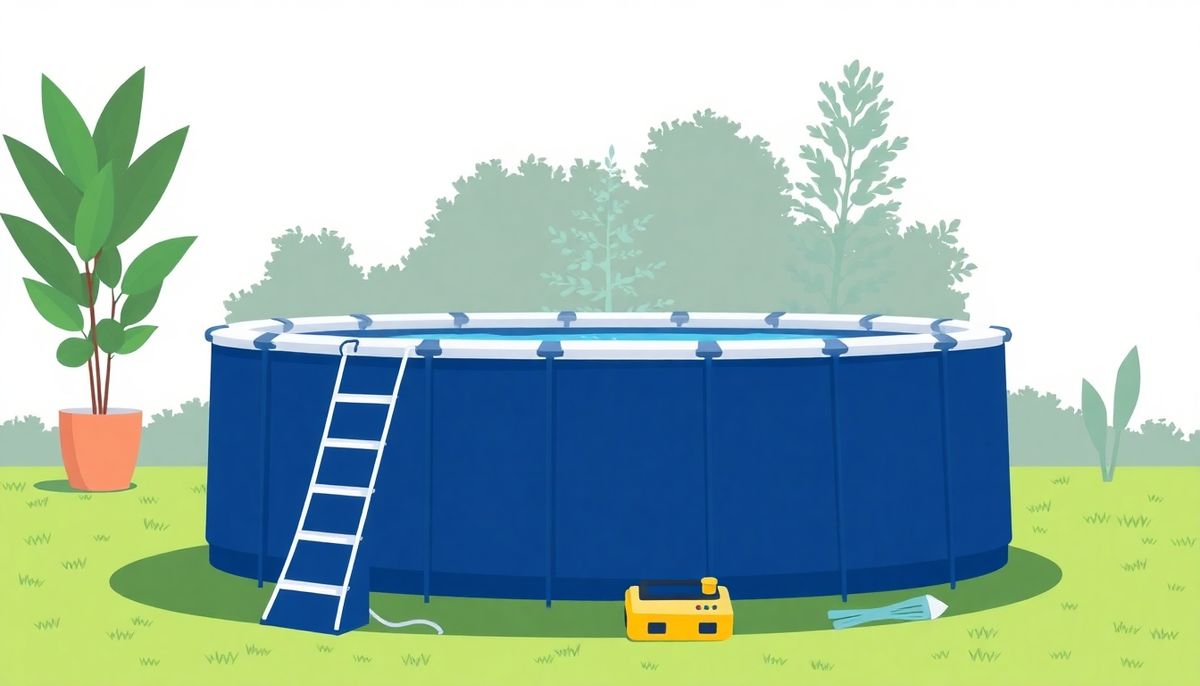
An Intex pool is meant to be simple, but a few smart upgrades add durability and stretch out the years you get from it.
Liner, frame, and filter
Start with a thicker liner. The standard three-ply polymer is tough, but a heavier liner adds protection against wear, which helps if your pool sees heavy use or sits near active landscaping. Next, think about a stronger, rust-resistant steel support frame so the pool stands up to weather. And don't overlook the filter: the included cartridge filters do the job, but a sand or diatomaceous earth (DE) filter gives you clearer water and better efficiency, which cuts down on maintenance.
Warm it for free
For cooler nights and early spring mornings, an Intex solar cover traps the sun's heat to warm your pool naturally, and it keeps debris out too. Each of these turns a simple pool into something you'll use season after season.
Optimize Pool Performance
A little fine-tuning takes your pool from good to great. Start with circulation. One upgrade people often miss is a circulation enhancer for the return jet, which changes how the water flows and helps chemicals spread evenly. That swirling movement means less scrubbing and fewer chemicals.
On chilly mornings, a solar cover is your best friend. It captures the sun's warmth and holds it long after dark. If wrestling with covers isn't your thing, a liquid solar cover forms a thin layer to hold heat in. Pair either with a solar mat and the sun does the heating for you.
For a softer swim, consider a saltwater system. It turns salt into chlorine, so it's gentler on skin and eyes while keeping the water clear. With upgrades like these, your pool becomes a spot you'll keep coming back to.
Upgrade Filtration Systems
Stepping up your filtration makes a real difference. When I first set up mine, the stock filter worked fine, but after a few weeks debris was taking too long to clear.
Move up from the stock cartridge
Instead of the standard cartridge filter, think about a sand filter pump. Sand filters last longer, need less frequent maintenance, and catch finer particles. They also move more water, which suits bigger or heavily used pools. A saltwater system pairs beautifully with better filtration too, cutting down on traditional chlorine for a swim that's easier on skin and eyes.
If you want a greener option, a solar-powered filter pump runs on sunlight and trims your electric bill while keeping the water clean. Whatever you pick, better filtration means more time in the pool and less time worrying about it.
Enhance Pool Heating
When the air turns crisp, a cold pool loses its appeal fast. Warming an Intex pool doesn't take fancy gear, just a few smart tweaks.
An Intex solar cover soaks up solar energy during the day and keeps the heat from escaping once night falls. For an extra boost, add a solar mat: connect it to your filter line and let the sun warm the water as it passes through the mat's coiled black tubes. Liquid solar covers work too, forming a thin layer on the surface that holds heat in. Pair one with a solar mat for a strong combo.
Last, don't underestimate where you put the pool. A sunny spot soaks up the most natural heat, and that alone can stretch your swim season by weeks.
Optimize Filtration for Clean Water
Dialing in your filter is the key to clean water. My neighbor once let his pool turn into a murky green mess because he didn't take filtration seriously. Lesson learned.
Match the pump to your pool
Intex makes both cartridge and sand filters. Cartridge filters are great if you want simplicity and don't mind cleaning them regularly. Sand filters need less frequent upkeep and give you strong filtration, which makes them ideal for bigger pools with lots of swimmers.
Run it and clean it
Once it's installed, run the pump at least 12 hours a day. That steady circulation spreads sanitizer evenly, prevents stagnation, and lowers the chance of algae. Check and clean your cartridges often, since a clogged filter strains the pump and drops its efficiency. Replace the cartridge once a year, or sooner if it looks worn. For sand filters, backwash every two weeks to keep sediment from building up.
Running the pump about 12 hours a day is the single habit that does the most to keep your water clear.
Enhance Pool Water Circulation
On hot days, nothing calls to you like cool, clear water, and keeping it that way comes down to circulation.
Water has to keep moving to stay clean, and it starts with your pump and filter. Run the pump about 12 hours a day, so every drop passes through the filter at least once. That spreads chemicals evenly and clears out debris.
But the pump alone isn't enough. Try angling the return jets, the parts that push water back into the pool after it's filtered, to create a gentle whirlpool. It helps the water reach every corner. A friend once suggested a floating chlorine dispenser to spread chemicals around, and that tip has served me well. Simple tools like skimmers and brushes keep surface debris from settling and help circulation along.
Select the Right Filtration System
New pool, and suddenly you've got filtration options calling your name. The trick is figuring out which fits your setup. When my family got our Intex pool, we started with a cartridge filter because it was cheap and easy to replace. It worked well for our small pool, where fewer swimmers meant less debris.
For bigger pools, a sand filtration system handles heavier loads and fine particles better. Sand filters cost a bit more upfront, but they save time and money down the road. Intex even sells combo systems that pair pumps with these filters.
Look past the sticker price and think about how much maintenance you're up for. Cartridge filters need regular checks and replacements; sand filters need periodic backwashing and sand changes. A neighbor of mine swears by her saltwater system paired with a sand filter, because it cuts way down on her chemical use. Whichever way you go, match the filter to your pool size, usage, and how hands-on you want to be.
Master Chemical Balance for Safety
Balancing chemicals isn't the glamorous part of owning a pool, but getting it right is what keeps swimming safe and fun. My first summer, I added too much chlorine and ended up with water that smelled like a bottle of bleach. It taught me how much balance matters.
Check your pH regularly; it should stay between 7.4 and 7.6. Keep alkalinity between 100 and 150 ppm to hold that pH steady, and baking soda nudges both up naturally when they dip. Chlorine belongs between 1 and 3 ppm, enough to sanitize without irritating swimmers. And shocking the pool weekly clears out contaminants and frees up chlorine to keep doing its job. A little diligence, and every dip stays clean and inviting.
Winterize or Store Your Pool
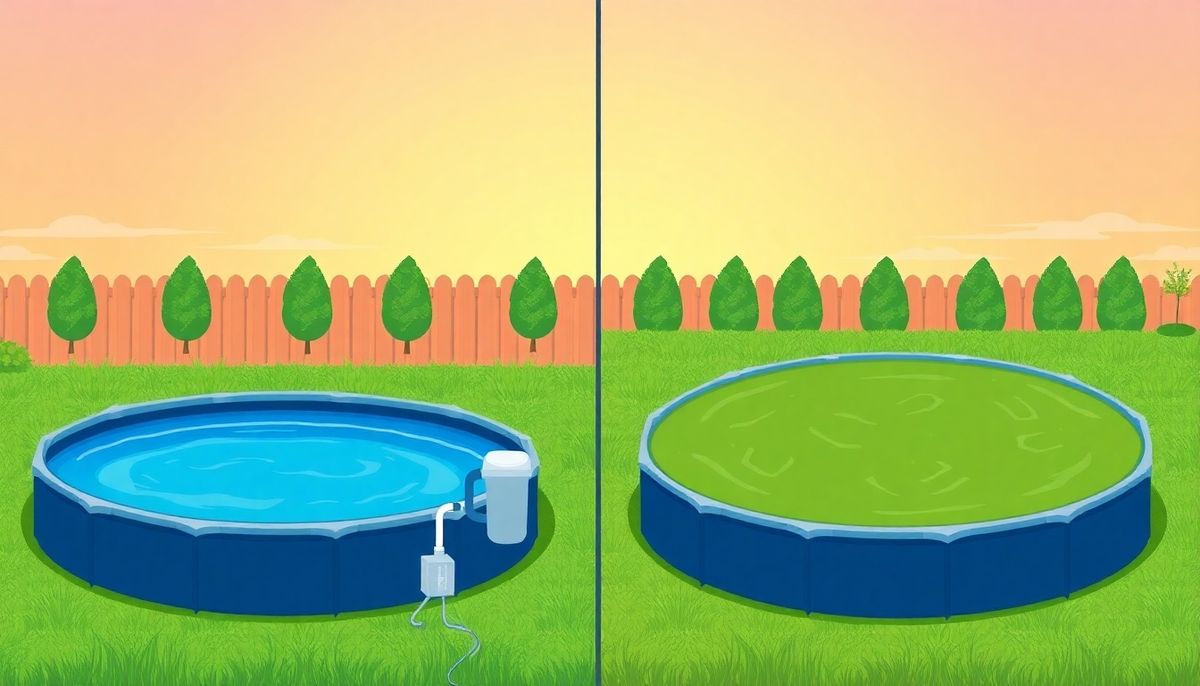
As summer fades, you face a choice: winterize the pool or store it away. It mostly comes down to your climate and how much storage space you have.
If your winters get cold
Storing the pool is usually the safer bet in frosty areas. Clean it thoroughly, clear out debris, and dry it fully to prevent mildew. Take the structure apart carefully, following the manufacturer's directions, then keep the parts in a dry, sheltered spot so each piece is ready for next summer.
If your winters stay mild
Where the water won't freeze, you can winterize the pool in place. Balance the chemistry by adjusting pH and alkalinity, add a winterizing chemical kit to keep algae away, and cover the pool with a solid winter cover to keep out leaves and critters. Check on it now and then to make sure everything stays snug.
A little prep in autumn protects your pool through the cold months and saves you real money and hassle come spring.
Seal and Store Your Pool
When autumn arrives, it's time to seal your pool up for the season, and a careful approach now keeps it in shape for next time.
Start with a thorough cleaning. Clear out all the debris, scrub the sides, and balance the water one last time so algae and bacteria don't settle in over winter. Then drain it, checking your local rules on water disposal first, since some areas have guidelines. Let the pool dry completely to avoid mold. Towels help, or let the sun do the work on a dry, windless day.
Take the pool apart carefully with the manual nearby so you can reverse the setup steps. For steel-framed models, work gently so you don't bend the frame. Store small parts like plugs and connectors in labeled bags. Pick a cool, dry storage spot like a garage or basement, keep the liner off the ground and away from anything sharp, and cover it to keep out dust and pests.
Choose the Right Pool Cover
The right cover protects your pool from debris, saves water, and holds in heat. When I first got mine, choosing one seemed simple, but each type has its own perks.
Match the cover to your worry
Solar covers were a huge help my pool's first summer. They warm the water during the day and seal that heat in after sunset, so my heating costs dropped and I got warmer early morning swims. They cut down on evaporation too, a big plus during dry stretches.
If cleanliness is your main worry, a debris cover fits snugly and keeps leaves and dust out, saving cleanup time. That's especially handy near trees or in windy spots. And if you want the lowest-effort option, a liquid solar cover forms a thin layer on the surface that holds heat with almost no work. It won't block debris, but it's a convenient pick if temperature is your focus.
Optimize Pool Maintenance Tools
Every pool owner knows the frustration of tangled hoses and mismatched tools scattered across the yard. Getting your kit in order makes pool care a smooth routine instead of a fight with clunky equipment.
Start with the essentials: a well-fitted skimmer, a sturdy telescopic pole, and a good pool brush. Go for a skimmer with a deep net to catch stray leaves, and a brush with soft bristles so you don't damage the vinyl liner. If you love gadgets, a robotic pool cleaner cruises around on its own, cleaning from the floor to the waterline, and saves you real time.
Don't overlook storage. Tool organizers or wall-mounted racks keep everything off the ground and within reach, which cuts clutter and lets your tools dry so they last longer. Sort out your tools and storage, and maintenance turns into a quick, easy routine.
Choose the Right Pool Style
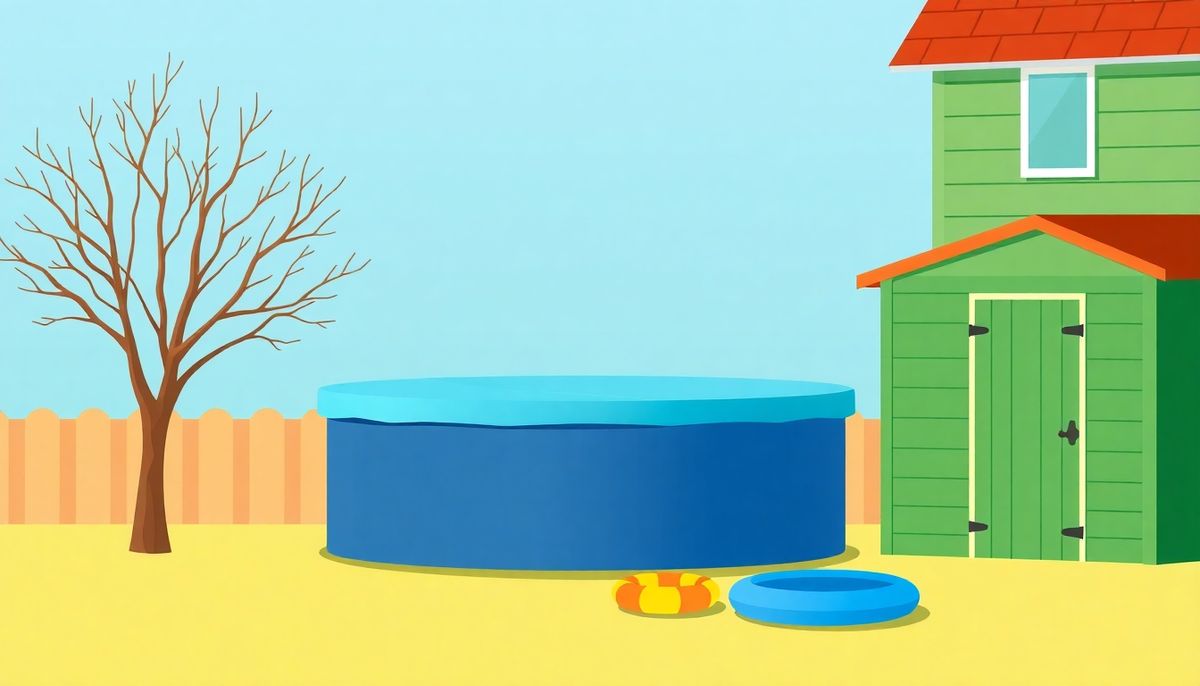
Picking your Intex pool style sets the stage for all those summer afternoons. Whether you want a quick setup or something more permanent, there's a model to match your backyard.
Start with the Easy Set pools if simplicity is your goal. You inflate the top ring, fill, and splash, no fuss. Their round design is a hit for spur-of-the-moment gatherings or quiet afternoon dips.
If you want more strength, the Metal Frame models bring a solid steel structure that stands up to weather and gives you a sturdier swim. And for a bit more room and a cleaner look, the Ultra Frame pools deliver an upscale style with a durable build and enough space for your most energetic swim sessions. It comes down to how you picture your summer, from lazy floats to real laps.
Explore Intex Pool Options
Intex pools give you an escape without the hassle of a permanent installation, and there's a model for most needs. The Easy Set pools go from a compact package to a refreshing retreat with barely any setup, all without a big price tag.
For something sturdier, the Metal Frame pools have powder-coated steel frames that resist rust and weather, plus a reinforced polymer band for extra support, which makes them a reliable family choice. If your backyard is tight on space, the Oval Frame pools blend the easy setup of the Easy Set with the strength of a metal frame, tucking neatly into narrow spots while still leaving room for laps or lounging.
And if you want a touch of luxury, the Ultra Frame pools stand out with a sleek grey and white design and upgraded materials. Whether round or rectangular, they often come with sand filter pumps that make upkeep easier. Whatever you choose, you can shape your swim time around your life.
Conclusion
That's the whole picture: test the water, keep it moving, balance the chemistry, and put the pool to bed properly each fall. Do those few things and the rest falls into place. Here's to a long, easy summer of clear water and good swims.
Want to get even more confident? Our free Pool School course walks you through everything, from basic upkeep to trickier troubleshooting. You'll learn how to:
- Save money on repairs and chemicals
- Keep your water clear all season
- Prevent and solve common pool problems
- Handle water chemistry without second-guessing
Over 10,000 pool owners have already worked through it. Get started with our free Pool School course today!
What you need
Grab a reliable water testing kit, a skimmer, pole and brush, the right sanitizer and pH chemicals, and a filter or cover suited to your pool to put this plan into action.