



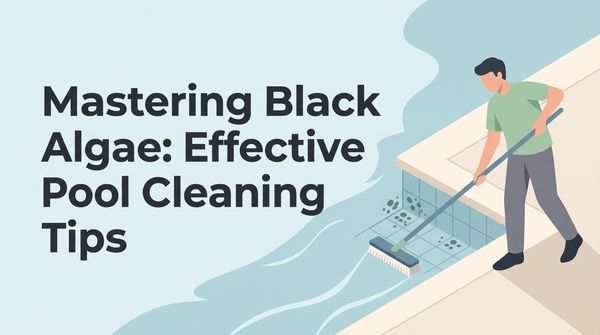
A clear, blue pool is a beautiful thing, and nothing spoils it faster than black algae. Unlike more common algae, it digs in hard, sending roots deep into plaster and concrete where a little scrubbing won't reach.
I ran into this years ago. My backyard pool was streaked with dark growths that wouldn't budge no matter how hard I scrubbed or how much I fiddled with chemicals. It was maddening, but it pushed me to learn what these things really are, part chemistry, part stubbornness, part strategy.
Beating black algae isn't only about chlorine and brushes. It's about knowing what you're up against. The algae grow a protective coating that shrugs off normal cleaning, and they love tired, poorly kept water in shady spots and forgotten corners. With the right know-how and tools, you can win. A clean pool isn't just nicer to look at, it keeps your water healthy for seasons ahead.
Your Action Plan
- Spot it early: look for dark, gritty spots on rough surfaces in shaded corners.
- Brush hard with the right brush, steel for concrete, nylon for vinyl or fiberglass.
- Shock the pool at four times the normal dose, at night.
- Run the pump a full 24 hours, then clean the filter.
- Balance your water: pH 7.4 to 7.6, alkalinity 80 to 120 ppm.
- Clean everything that enters the pool and keep a weekly routine.
Identify Black Algae Fast

Deal with black algae fast, because catching it early saves you hours of scrubbing. It doesn't look like the bright green algae you'd expect. It shows up as dark, stubborn spots that look more like mold than a plant, gripping rough materials like plaster or gunite while mostly leaving smooth fiberglass or vinyl alone.
Look closely along the edges and steps. Those little black or dark green dots aren't dirt, and left alone they grow into bigger stains that become a health risk. A fresh outbreak often traces back to a swim in a lake, since spores hitch a ride into your clean water.
Texture is another clue. Green algae feels slimy; black algae feels like sandpaper. That grit comes from the protective layers that make it so hard to kill. Spot these signs early and a small nuisance never turns into a full pool disaster.
Prevent Black Algae Infestation
Clean everything before it goes in
Black algae sounds like a pool villain, but the right habits hold it off, and the best defense starts before you ever see a spot. Clean anything that goes into the pool. A swimsuit worn in a lake, a float that drifted down a river, wash it all with a bleach solution, one tablespoon per gallon of water. That single step shuts down a major way for black algae to sneak in.
Keep your water balanced
Testing and adjusting your pH, alkalinity, and sanitizer makes life miserable for black algae. Brush the surfaces and vacuum debris regularly, and clean your filter often, since it does much of the work keeping water clear. Build these tasks into your weekly routine until they feel automatic, and algae simply can't survive.
A well-balanced pool with clean water and steady circulation is the single best defense against black algae.
Recognize Black Algae Characteristics
Beating black algae starts with catching it early. The first sign is its stubborn grip on your surfaces, small black dots or clusters that look like mold. Regular algae spreads across the water, but black algae fastens onto concrete or plaster, digging into rough spots and putting down roots, like a weed that comes back no matter how often you pull it.
This "algae" isn't really algae at all. It's a form of cyanobacteria, which is why methods that work on green algae won't touch it. Cyanobacteria are tough, and they often look dark blue-green in a way that reads as black, especially in shade or the deep end.
Fiberglass and vinyl pools catch a small break, since black algae rarely sticks to smooth surfaces. Even so, check your corners, steps, and seams often, its favorite hiding spots.
Eliminate Black Algae Effectively
Start with a deep clean
This isn't your average pool chore. Black algae is a tough cyanobacteria, so it needs a real plan: deep cleaning, the right chemicals, and steady effort. Use a stiff, stainless-steel brush on concrete or plaster, and a gentler nylon brush on fiberglass or vinyl. Scrubbing pries the bacteria loose and opens it up to treatment. Scrub with a chlorine tablet in hand to loosen and treat the algae at once.
Shock, circulate, and clean the filter
Next, shock the pool with calcium hypochlorite at four times the normal dose. Do this at night, when sunlight won't burn off the chlorine, and run the pump a full 24 hours so the chemicals reach everywhere. Then clean your filter by backwashing or rinsing, so no leftover bacteria reinfect your water. It's demanding, but stick with it and you'll keep that stubborn algae from darkening your water again.
Always shock at night, because daytime UV burns off the chlorine before it can finish the job.
Scrub Away Algae Effectively
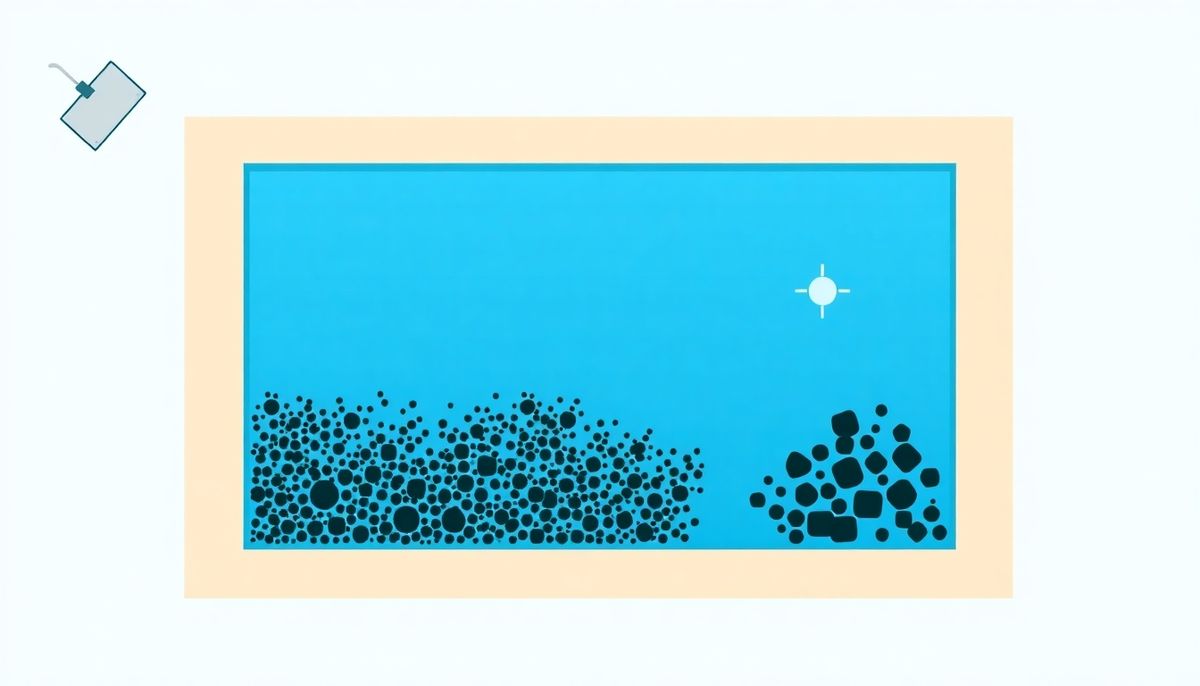
Fighting black algae takes real elbow grease, and getting the scrubbing right is the key. Pick the right tool: a stainless-steel brush for concrete or gunite, a nylon brush for softer fiberglass or vinyl. This isn't a light once-over. Be realistic, it's hard physical work, and you'll be at it for a while.
Brush every corner, especially the hard-to-reach spots where algae loves to hide. All that scrubbing knocks the algae loose and sets up the shock treatment to finish the job. When you're done, the algae is loose and exposed, ready for the next phase.
Prevent Algae with Proper Hygiene
Just like washing your hands keeps you from getting sick, clean pool gear keeps the algae away. This pest thrives on neglect, so cleanliness is your first line of defense.
Anything that touches your pool should be cleaned first. Swimwear especially shouldn't go from a lake straight into your pool, so wash it in between. Clean poolside gear like shoes and toys with a bleach-based solution.
Maintenance matters just as much. Check your pH and sanitizer on a routine schedule, since one slip can let a green tinge creep up the walls. Brush and vacuum even when the pool looks clean, so the bacteria that become black algae never get started. And don't forget circulation. Running the pump every day keeps the water from going still, exactly the condition black algae loves.
Identify Black Algae Accurately
Finding black algae is like spotting a party crasher at a barbecue. Despite the name, it isn't really algae. It's cyanobacteria, a tough organism that thrives in certain conditions, and catching it early is key.
Start with the walls. Black algae shows up as dark spots or clumps on rough surfaces like plaster or concrete, looking more like mold or mildew than typical algae, and it resists even determined scrubbing. Green algae floats or smears, but black algae roots into porous materials, which makes it so hard to remove.
The color fools people, too. It isn't always solid black. The blue-green pigments in cyanobacteria can give it a dark, bluish tint that blends into darker linings until it's well established. It prefers shaded spots with little water movement, especially around ladders, steps, and corners. Treating it isn't only about looks, it's about keeping the water safe for everyone who swims.
Combat Algae with Intensive Brushing
When black algae shows up, roll up your sleeves. Hard brushing is your first line of defense. These bacteria build a tough, protective layer that shields them from the usual treatments, so you have to scrub through that shield to reach the bacteria underneath.
Grab the right tool: a stainless-steel brush for concrete or gunite, a nylon brush for a more delicate fiberglass or vinyl liner. It's like scrubbing baked-on grime off a neglected grill. Reach into every corner so no colony gets left in peace.
A good scrub floats the algae into the water, where chemical treatments can kill it. Stay consistent, since regular brushing clears out what's there now and helps stop new outbreaks.
Sanitize Pool Toys Thoroughly

Cleaning your pool toys might be the least exciting part of pool care, but it does a lot to keep black algae away. That inflatable float by the poolside may have brought home hidden cargo from the ocean or lake: black algae spores. Ignore toys like that and your pool becomes a breeding ground for these stubborn invaders.
Get into a routine. Mix one tablespoon of bleach per gallon of water and scrub each toy carefully, reaching every spot. A toothbrush works well for tight crevices. Rinse well afterward, since leftover bleach can irritate skin and eyes. When you're short on time, a bleach spray cleaner works, though a thorough scrub is always better. A little effort here protects your pool and gives everyone a healthier swim.
Prevent Algae Contamination
Keeping black algae out starts with making sure anything that goes in the water is clean first. Anything that's been in a lake or the ocean can carry unwanted bacteria, so wash it with a bleach solution, one tablespoon per gallon, before it floats in your pool.
Same goes for swimwear and gear. Jump in wearing the same suit you wore at the beach and you're inviting trouble; a quick run through the washing machine saves hours of scrubbing later. Scrub goggles and flippers that bounce between the pool and the pond, too.
Chemistry is another layer. Test and adjust pH, alkalinity, and sanitizer regularly to make the water hostile to algae. And run your pump daily to keep the water moving and the filters clean. A good filter cleaner is worth having so nothing slips past.
Identify Black Algae Quickly
Catching black algae early is the difference between a quick fix and a runaway problem. It's often mistaken for dirt or leaf debris, but it shows up as small, dark spots clinging stubbornly to your surfaces. Green algae floats around, while black algae digs into porous plaster or concrete and forms roots that make it very hard to remove.
Those tiny black specks won't budge with regular cleaning, and they often masquerade as mold, blending into corners and shaded areas. The texture is slightly raised and rough; you can feel it with your fingers, though wear gloves because of the possible toxins.
You'll usually find it in hard-to-reach places like corners, steps, and around pool lights, wherever there's less sunlight. Check those dim spots regularly and move quickly if you suspect it's moving in.
Clean and Sanitize Pool Toys
A lot of pool owners never realize those innocent-looking toys can quietly carry black algae. A fresh outbreak of black spots often traces back to gear that spent the weekend at the lake.
To dodge that, keep a cleaning routine. Mix one tablespoon of bleach in a gallon of water, then gently scrub each toy with a soft brush or sponge, covering every surface. Pay extra attention to seams and crevices, the algae's favorite hiding spots. Rinse well with fresh water so leftover bleach doesn't throw off your pool's chemistry.
Drying is the last step, and it matters. Make sure every toy is fully dry before it goes back in, because leftover moisture gives spores a place to settle. A little diligence here buys everyone a safe, clean swim.
Maintain Pool Chemical Balance

Test your water regularly
Winning against black algae comes down to balanced chemistry. When it's off, you roll out the welcome mat for cyanobacteria. Test your water with a good kit, which walks you through the key numbers: pH, alkalinity, and chlorine. Keep pH between 7.4 and 7.6, a sweet spot that discourages algae while keeping swimmers comfortable. Alkalinity should stay between 80 and 120 ppm, a buffer that keeps pH from swinging around.
Adjust and stay consistent
Once you know where you stand, adjust. If chlorine is low, a shock treatment kills what's there and heads off future invasions. To fix alkalinity or pH, reach for sodium bicarbonate or muriatic acid. Consistency is your best ally. A weekly habit of testing and adjusting saves hours of hard cleaning later. Tie it to something you already do, like your morning coffee, and it stops feeling like a chore.
Keep pH between 7.4 and 7.6 and alkalinity between 80 and 120 ppm, and algae struggles to get a foothold.
Identify Black Algae Threats
The day you spot those black dots on your walls, act. Knowing how black algae, really cyanobacteria, gets in is your first line of defense. Usually it hitches a ride on swimwear or toys that have been in natural water. One swim in a lake, then a dip in your pool without a good rinse, can be all it takes.
That barbecue where everyone jumped in after a day at the beach, or a canoe trip where the gear never got rinsed, a small oversight like that can lead to a serious infestation. Black algae hide in the rough texture of concrete or plaster and thrive wherever they get a foothold, and they're tougher than their green cousins.
There's also the risk of cyanotoxins, harmful natural chemicals the bacteria can produce, so prevention isn't only about looks, it's about safety. A clear sign is clusters of dark spots that look more like mold than algae. If those show up, act fast to head off health risks to anyone who swallows the water.
Implement Comprehensive Algae Removal
Gear up and scrub
Getting rid of black algae is a multi-step job. Start with a thorough look at your equipment and surfaces, since this cyanobacteria roots deep into porous concrete and plaster. Put on gloves, goggles, and maybe a hat, because you'll be outside a while. With a stainless-steel brush, or a nylon one for a vinyl or fiberglass liner, scrub the walls and floors to loosen the algae and open it up to treatment. Expect a real workout.
Super chlorinate, then recheck
Next, super chlorinate, doubling or even quadrupling the usual shock dose so you don't just tap the algae but wipe it out. Run the pump nonstop for 24 hours to spread the shock, and brush the surfaces several times during that stretch. After a full day, clean your filter to clear out dead bacteria. Finally, recheck your water chemistry, since getting pH, alkalinity, and sanitizer right helps the treatment work and braces your pool against the next invasion. Watch for a comeback over the next few weeks.
Prevent Algae Reinfestation
Nobody wants to fight the same battle twice. After all that scrubbing, shocking, and filtering, your pool should be spotless, but you still have to stay on top of it. Keep a strict cleaning schedule, since regular brushing stops any leftover cyanobacteria from taking root again. After each swim, remind everyone to rinse swimsuits and equipment before they go back in.
Think of your pool's chemistry as its immune system. Check pH, alkalinity, and sanitizer regularly to keep the water hostile to algae, and buy a reliable test kit if you don't have one. For extra protection, some owners swear by algaecides. They're not always needed, but pick one made for black algae and follow the directions. And don't underestimate fresh water: swapping out part of your pool's water now and then dilutes any lurking contaminants.
Shock Your Pool Overnight
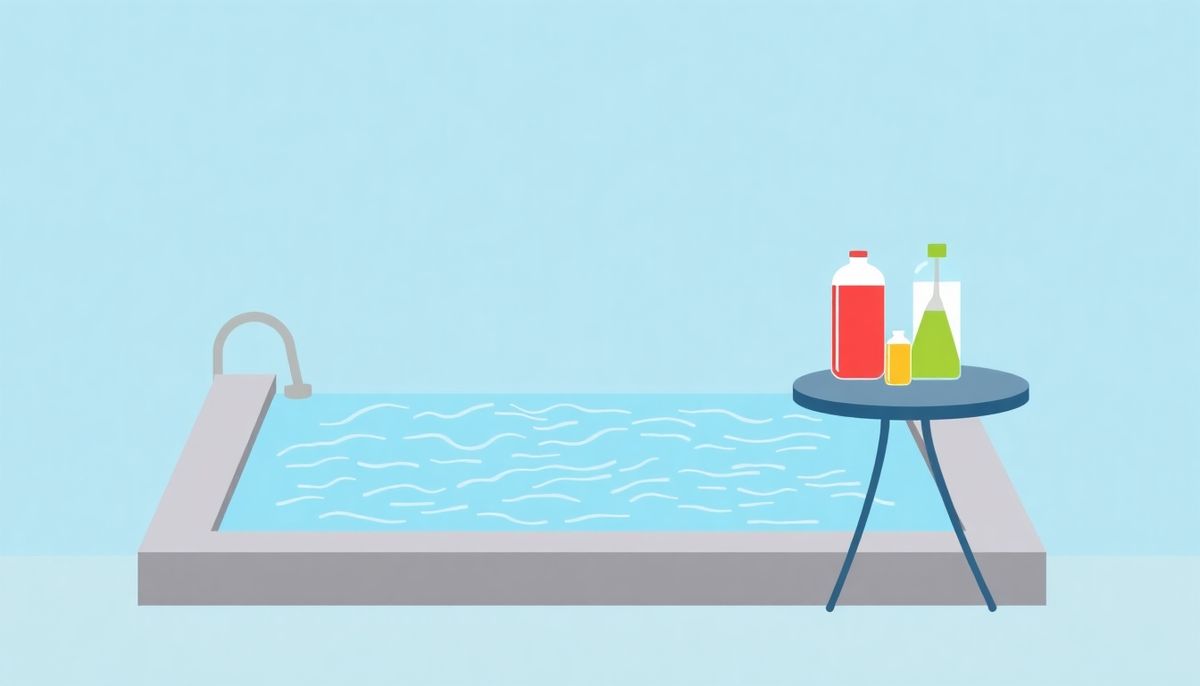
There's nothing like waking up to a pool that's turned around overnight. Once you've brushed and scrubbed hard, it's time to shock. Black algae is tougher than its green cousin, so it needs a stronger hit.
Figure out your pool's volume, then quadruple the standard shock dose. Four times the normal amount isn't overkill, it's what this stubborn bacteria takes. Timing matters, so shock as the sun goes down, when the chlorine can work without UV burning it off. The stillness of night lets the chemicals sink in as the pump soaks every corner with highly concentrated chlorine.
By morning the water might look cloudy, but that's a good sign, the remains of dead algae floating free. Brush the surfaces again to loosen any survivors, keep the pump running to catch the debris, and clean your filter one more time to lock in the win.
Identify Black Algae
Black algae, despite the name, is nothing like ordinary algae. It's a tough opponent because it isn't a plant at all but cyanobacteria, a kind of bacteria known for hanging on.
First impressions fool you. It looks like stubborn dark patches gripping your surfaces, a lot like mold, and it works into porous concrete and plaster for the long haul. Vinyl and fiberglass liners are less inviting, so you can breathe easier there, but stay watchful.
Look closely at the waterline and corners, anywhere the water sits still. Those tiny black dots or clusters are the giveaway. Green algae floats and spreads evenly, but black algae stays put, forming colonies that shrug off normal cleaning thanks to a protective layer that shields it from chlorine. Mistaking it for the common green kind leads to treatments that don't work, so knowing the difference is the first step to taking your pool back.
Conclusion

This guide walked you through spotting, killing, and preventing black algae. Start today.
Want to become a pool maintenance expert? Our free Pool School course covers everything from basic maintenance to advanced troubleshooting. You'll learn how to:
- Save thousands on pool repairs and chemicals
- Keep your water crystal clear year-round
- Prevent and solve common pool problems
- Master water chemistry with confidence
Join over 10,000 pool owners who have already transformed their pool care routine. Get started with our free Pool School course today!
What you need
Stock a stiff brush matched to your pool surface, calcium hypochlorite shock, a bleach-based cleaner for gear, and a reliable test kit so you can balance your water and keep black algae from coming back.