



Draining an inground pool is more than pulling a plug. It's a careful job that needs planning and a bit of know-how. Some of my best childhood summers happened in our backyard pool. But once the upkeep became my job, I learned how much there is to draining one the right way.
It starts with knowing why you're draining. Fixing a leak, closing up for winter, doing repairs, each reason calls for a slightly different approach. Skip the planning and you risk real trouble, like structural damage or fines for dumping water where you shouldn't.
Gear matters too. A submersible pump pulls water out quickly without straining the pool's structure. But you have to know your local rules for where that water can legally go. I found this out when a neighbor pointed me to our town's guidelines. Ignore those rules and you're inviting a fine.
Timing counts as well. Drain in the wrong season or the wrong weather and you can damage the foundation. A solid plan gets the job done safely and keeps your pool ready for many more summers.
Your Action Plan
- Wait for a long dry spell so the ground around the pool isn't soaked.
- Check your local rules for where pool water can legally go.
- Set a submersible pump at the lowest point and route water to a sewer cleanout or downhill, away from the pool.
- Once the pool is nearly empty, open the hydrostatic relief valves to release groundwater pressure.
- Do your repairs quickly, then reseal the valves.
- Refill right away and rebalance your water chemistry.
Prevent Pool-Popping Hazards
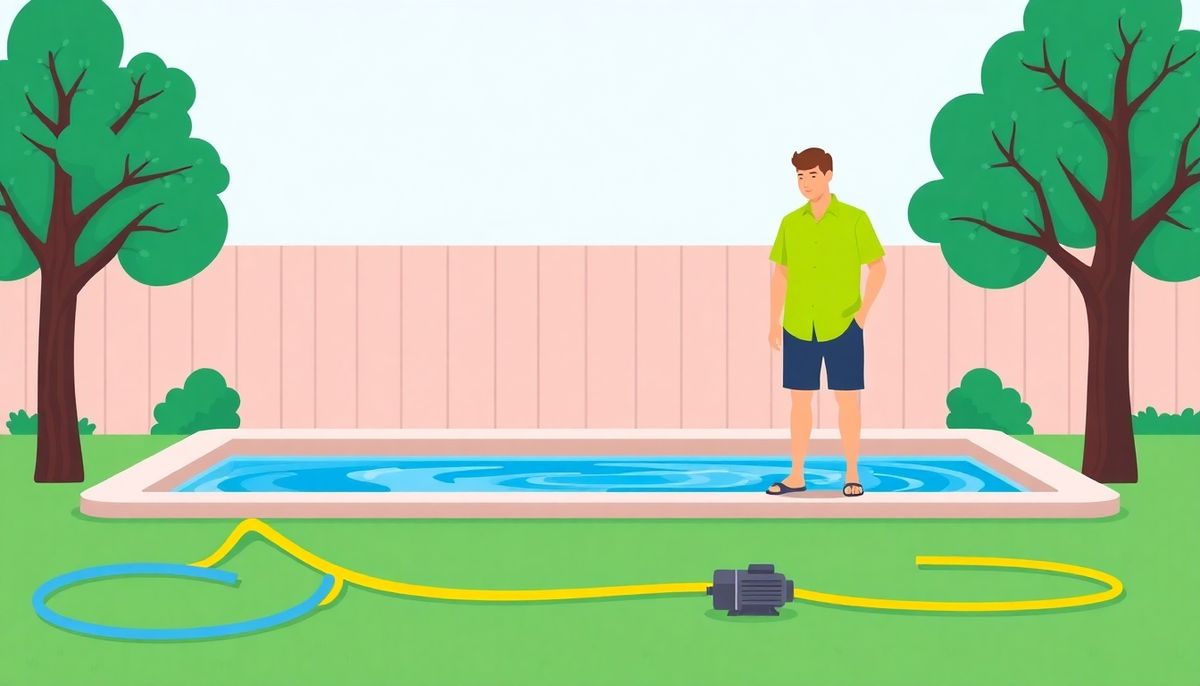
Why an empty pool can float
An empty inground pool can be pushed up and out of place by the ground beneath it. That's a "pool pop," and it's expensive to fix. If you plan to drain, you need to understand why it happens.
Check the soil, then the drain path
Look at the ground around your pool first. If recent storms soaked the soil, be patient and let the earth dry before you start. Even after a stretch of sun, hidden moisture can linger and push against an empty shell, so drain during a long dry spell to cut that risk.
Next, think about where the water goes. Aim for a sewer cleanout instead of soaking the soil right next to the pool, and make sure the sewer path is clear. Finally, get to know your hydrostatic pressure relief valves, the groundwater release valves that let water flow into the pool and ease the pressure before it turns destructive. Keep them in good shape and ready to open once the level drops.
Never drain when the ground is soaked; wait for a long dry spell so groundwater can't shove your empty pool upward.
Ensure Proper Drainage Techniques
A few smart drainage moves
Keeping your pool from turning into a boat stuck on land takes some smart moves. Check local rules first, since some towns are specific about where pool water can go and ignoring that can cost you. Set a submersible pump at the pool's lowest point to pull water fast, then send it to a proper sewer cleanout rather than flooding the yard.
Watch the weather too. A friend of mine drained his pool on rain-soaked ground; the shell shifted, and the repairs cost him. And don't skip the hydrostatic relief valves, which give groundwater a way out. Open them only once the pool is mostly drained, and you head off trouble.
Manage Hydrostatic Pressure Safely
Handle the pressure beneath the pool
Draining isn't just letting water out. It's respecting the forces working under your pool. Where the water table is high, groundwater can push hard enough to lift an empty shell, a bit like trying to hold a beach ball underwater. Check the forecast and wait for dry ground. It might look dry on top, but moisture can hide several feet down.
The relief valves do a lot of the heavy lifting. Set at the deepest part of your pool, they give groundwater a path in instead of letting it push up from below. Once most of the water is out, open them carefully. Water may gush up, which is a good sign the pressure is releasing. Keep spare valve plugs handy, since pulling the plugs can damage them. Work fast on repairs, reseal the valves, and refill right away.
Schedule Draining During Dry Weather
Pick a dry window
Weeks of clear skies with dry ground make the best window to drain. Saturated ground can lead to a pool pop, so dry conditions really matter. As you plan the logistics, route those thousands of gallons to a sewer cleanout or downhill, well away from the pool.
If you haven't checked the main drain lately, run a treatment through it so it's clear and working. A backup can put you right back where you started, with water pooling where you don't want it. Route the hose to the right spot, and if water pools unexpectedly, fix it before the surrounding soil gets soaked.
Open Hydrostatic Relief Valves

What the valves actually do
Meeting hydrostatic relief valves for the first time can feel intimidating, but these small parts keep your pool from becoming a costly eyesore. Look at your pool floor and you'll spot a few plain white rings most people walk right past. Those cover the valves. Each one connects to a slotted pipe that runs to a gravel pit beneath the pool, so when you drain, groundwater has a way out. Without them, that water builds pressure and can lift the pool up, like a cork bobbing up in a bucket of water.
Open them in the right order
Open the valves carefully, and only once the pool is nearly drained, so you don't cause needless pressure shifts. Start with the valve at the center of the deep end. If your water table runs high, open a second valve to lower the risk even more. As you unscrew it, water might gush in, which tells you the pressure below is releasing. When it's time to refill, close the valves tight, replace worn plugs, and seal the threads with Teflon tape so they don't leak.
Open the relief valves only after the pool is mostly drained, then reseal them tight before you refill.
Prevent Pool-Popping Risks
Keep the balance between water and pressure
Pool care has its own rules, and one of the biggest is the balance between pressure and water. The weight of the pool's water offsets the pressure from groundwater. Upset that balance and the shell can float, which is dramatic but avoidable.
Where the water table is high, drain only part of the water when you can. You cut the risk while still doing the work. For a full drain during major repairs, it's smart to bring in a professional who can spot hidden threats before they become expensive. Skip rainy seasons, use dry spells, and send drained water away from the pool so the soil around it stays stable.
Manage Water Drainage Effectively
Give every drop a safe destination
Where the water ends up is as important as the draining. Letting it run freely across the yard oversaturates the ground, much like heavy rain does, and raises the chance of a pop. Send water to a sewer cleanout if your local rules allow, and watch for clogs, which can stop drainage cold. Clear the main drain line first with a suitable treatment.
If you can, angle the hose so it slopes downhill from the pool. That helps guide the water away if a blockage shows up. In my experience, planning ahead and checking with local experts turns a nerve-wracking job into a smooth one.
Safely Handle Valve Operations
Work the valves with a steady hand
Working the valves takes a careful hand. Find the valve at the center of the deep end first, since it does the best job of releasing built-up pressure. Take off the cap steadily and expect a small geyser. That's the trapped groundwater venting, which protects your pool from a pop.
If your water table is high, open a second valve to relieve any lingering pressure. Just don't open any of them until the pool is mostly drained. When you're done, seal the valves tight, keep spare plugs on hand, wrap the threads of a new plug in Teflon tape, and twist it back in for a leak-free refill.
Ensure Proper Drainage Direction
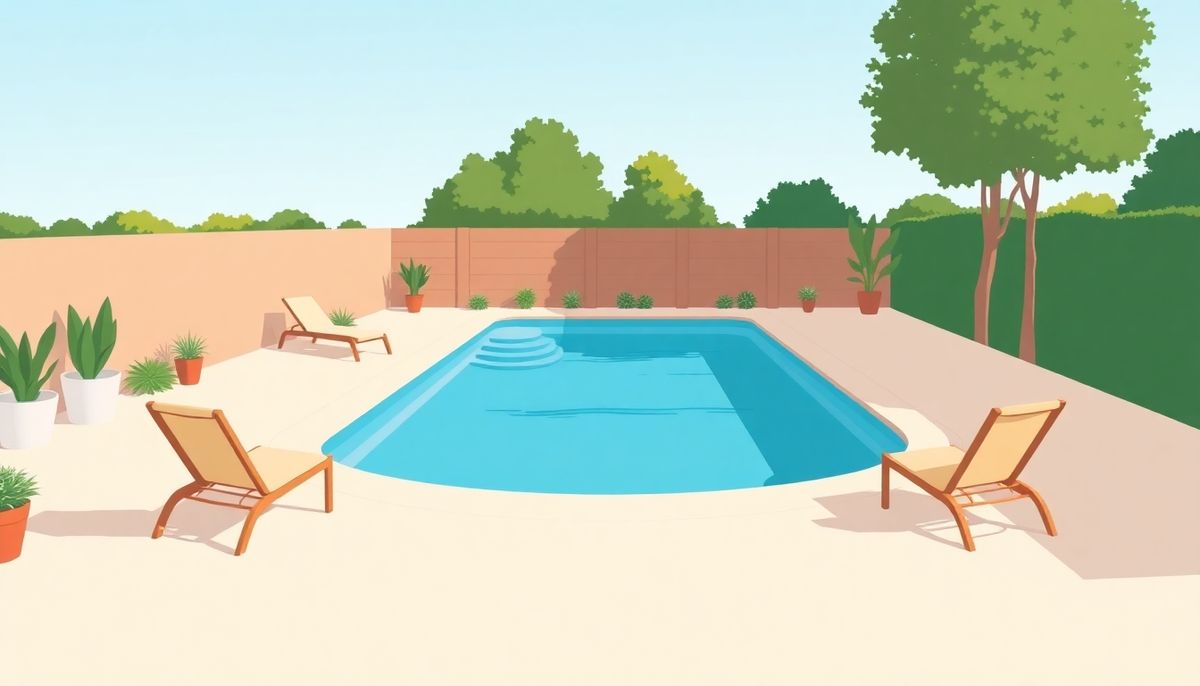
Steer the water away from the foundation
Sending water in the right direction is key. Start by knowing your yard. If it slopes, let gravity carry the drainage downhill, away from the pool, so water doesn't collect around the foundation and build pressure. On flatter ground, get creative with hose placement so water doesn't pool where it shouldn't.
Mind local rules and the environment too. In some areas, draining into the sewer is the law, meant to prevent environmental harm. If the sewer clogs, the water needs another route. A hose long enough to reach a nearby storm drain or a designated drainage area carries the water well clear of the pool's foundation. A little foresight here protects your wallet and the ground around you.
Avoid Pool-Popping Risks
Read your local conditions
In places where groundwater is ready to fill any empty space, even a small oversight can lead to a pop. The heavy water that normally holds the pool down is gone, so outside pressure takes over and pushes the shell up.
After days of steady rain, patience is your best ally. A lawn that looks dry can fool you, since soggy soil below the surface may still be setting up a pop. Direction matters as much as timing. Send water toward a sewer cleanout rather than the ground around the pool, and if the drain hasn't been maintained in a while, clear it ahead of time to avoid a backup.
Direct Water Safely
Map the water's route before you start
Think of your drainage plan as a road map. Find the nearest sewer cleanout, the ideal spot for the water's trip. If your pool's layout allows, aim downhill and let gravity help, so a clogged sewer won't leave water sitting around the pool.
A friend once forgot to check his sewer line before draining. The backup left his yard soggy for days, all easily avoided with a bit of pre-drain maintenance. A simple drain treatment clears built-up debris like grease and paper first. Moving thousands of gallons calls for precision, so lay the hose with care and check the connections so the water doesn't take an unexpected detour.
Manage Hydrostatic Pressure
Understanding hydrostatic pressure
Hydrostatic pressure is the push groundwater puts on the walls and floor of your pool. When the pool is full, the water inside pushes back. Drain it, and you remove that counterweight, letting groundwater shove the pool upward. That's the pool pop, and it can be both shocking and damaging.
Relief valves, built in when the pool was made, are the key to lowering the risk. They let groundwater flow into the pool as it drains, easing the pressure from below. Open them at the right moment, when the pool is nearly empty. Timing the drain for a dry stretch helps too, since groundwater levels drop. Where the water table is high, a call to a professional is worth it.
Avoid Heavy Rain Drainage
Don't drain right after a storm
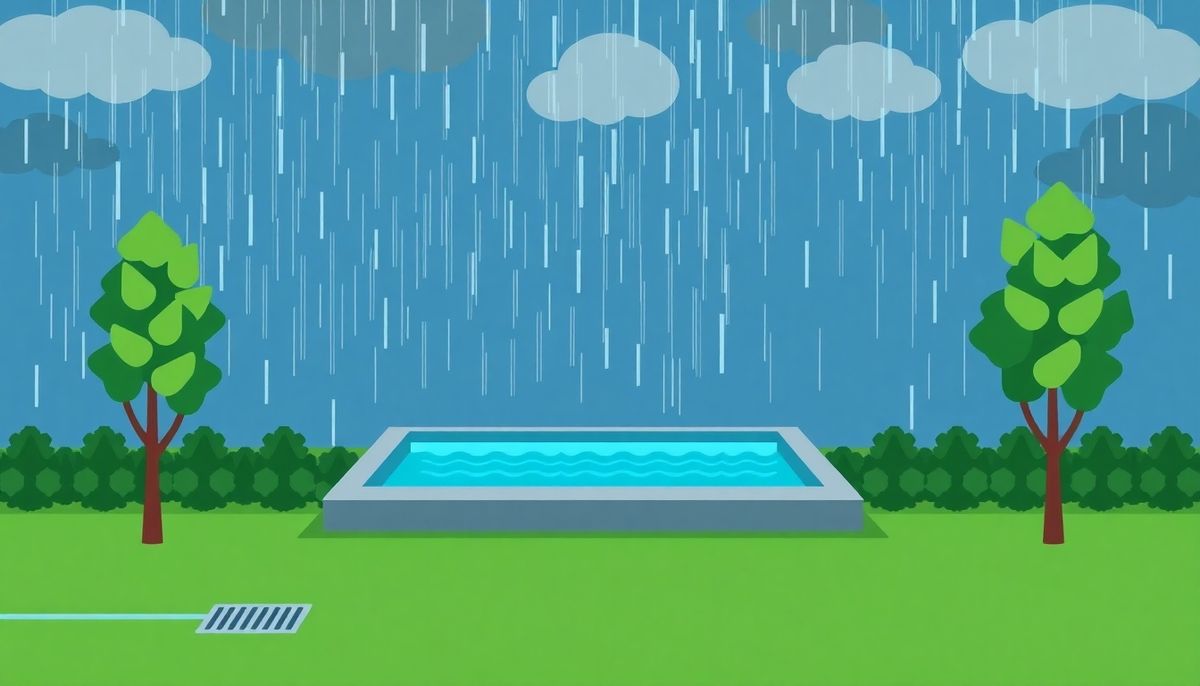
When it rains, the ground turns into a sponge, soaking up water and swelling with moisture. Draining during or right after heavy rain is a risky gamble. The soaked ground pushes up, and paired with an empty shell, you're flirting with a pop.
Timing is everything here. Wait several dry days, even if the surface looks ready, because the deeper layers take longer to give up their moisture. When you do drain, send the water to a distant sewer cleanout along a clear, downhill path so pressure stays off the ground near the pool. If you're not sure your sewer can handle it, a quick clean or treatment prevents surprise blockages.
Prevent Pool Popping
When water tables run high
Where water tables run high, the buoyant force on an empty shell can float it right out of the ground. Don't drain during wet spells. Wait for a run of dry weather so the soil beneath the pool can shed its extra moisture. It sounds basic, but this one step cuts the risk a lot.
The relief valves at the deep end give groundwater a path to escape instead of forcing the pool up. Open them only once most of the water is out, and take bubbling water as a good sign. Always route the drainage away and downhill, and check and clean those outlets now and then so a clogged cleanout doesn't catch you out.
Manage Water-Drainage Risks
Timing and ground conditions
Managing the risks isn't only about where the water goes. It's about how the ground around the pool reacts. A friend once drained his pool without thinking about the previous week's heavy rain. The still-sodden ground pushed the empty shell up and caused a lot of damage. Timing and ground conditions matter.
Direct the drainage to a proper sewer cleanout, not just the backyard, so the soil right around the pool doesn't get soaked. If a cleanout isn't an option, hire a professional to size up and handle your drainage. They can also inspect and clean the main drain line to head off clogs that leave water pooling near your property.
Ensure Safe Pool-Draining
Safety first, start to finish
Safety comes first when you drain. Pick a long dry stretch so the earth around the pool can lose its moisture. Even a light drizzle can tip things the wrong way, so choose your moment with care.
Routing the water is another big piece. Send it well away from the pool, ideally to a sewer cleanout, and clear the main drain line first, since years of buildup can clog when thousands of gallons rush through. Once the pool is nearly empty, open the relief valves so groundwater flows in rather than pushing up. A gushing mini-geyser might startle you, but it means the pressure is releasing. Move quickly on repairs or upgrades, then refill right away to keep the lining in good shape.
Refill Pool Efficiently
Refill and rebalance
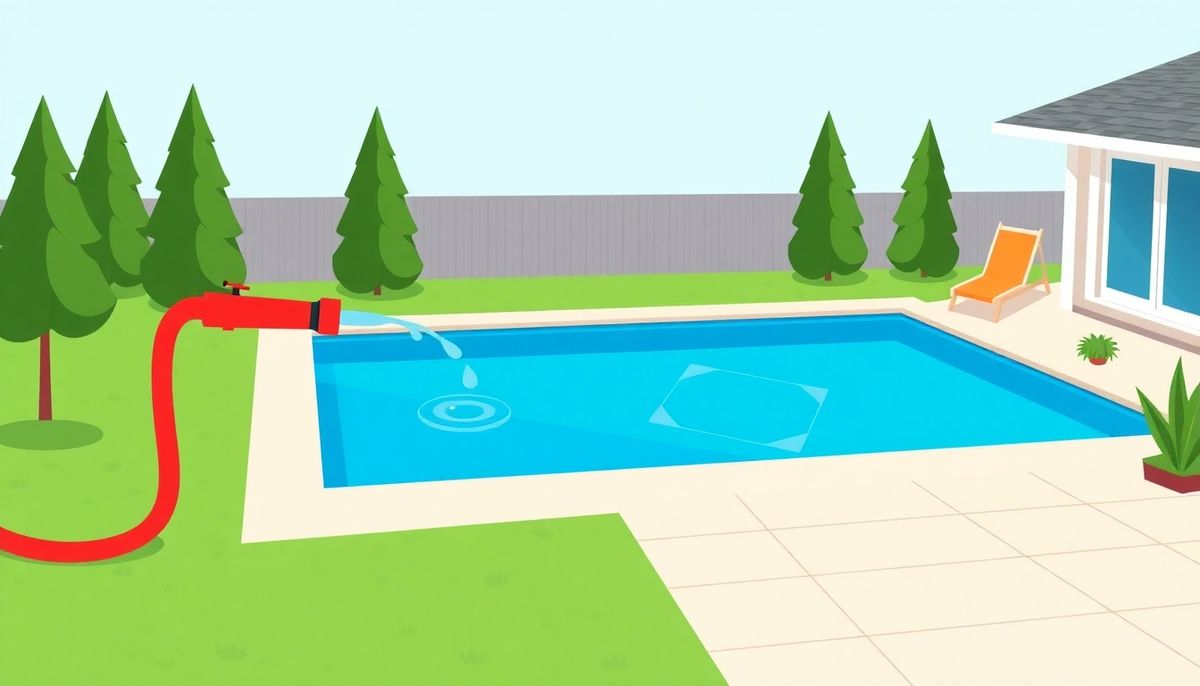
Refilling the right way matters as much as draining. Use a few garden hoses hooked to different spigots around your property to fill faster. That speeds things up and cuts the time the shell is exposed to sun and air.
While it fills, get your chemicals ready. With fresh water, you'll just need to rebalance your levels, pH, alkalinity, and chlorine. If pool chemistry isn't your thing, a quick look at a pool chemical guide or a chat with your local pool store helps a lot. Fill to about the middle of the skimmer opening so your circulation runs well, then start the pump, priming it if it's been sitting a while. Do all this and you'll have the pool back in action fast.
As soon as your repairs are done, refill right away and rebalance pH, alkalinity, and chlorine so the water is ready for the season.
One more pass on preventing a pop
Few problems worry pool owners more than a pop. It happens when the upward push of groundwater, made worse by a high water table, beats the weight of the empty pool. A little foresight goes a long way.
Wait for a dry spell so groundwater recedes, and remember that a dry surface can still hide moisture deep down. If you live somewhere that stays damp, a quick chat with a local expert can save you a nasty surprise. Send drainage away from the pool, into a sewer cleanout or downhill, and keep the main drain clear so nothing backs up. And before you start, learn where your relief valves are and how they work, because they're on your side.
Conclusion
Draining a pool sounds scary until you break it into steps: wait for dry ground, plan where the water goes, work the valves in order, and refill right away. Do that, and your pool stays put for many more easy summers. If you'd like to feel that confident about the rest of your pool care, that's exactly what our free Pool School course is for.
From basic maintenance to advanced troubleshooting, you'll learn how to:
- Save thousands on pool repairs and chemicals
- Keep your water clear year-round
- Prevent and solve common pool problems
- Master water chemistry with confidence
Join over 10,000 pool owners who have already changed their pool care routine. Get started with our free Pool School course today!
What you need
Grab a submersible pump, a drainage hose long enough to reach your sewer cleanout, spare valve plugs with Teflon tape, and a starter set of balancing chemicals for the refill.