














The best part of owning a hot tub isn't just the soak. It's getting the water right so every soak feels good. Epsom salt is famous for easing sore muscles, so tossing some in sounds smart. It isn't. Adding it causes problems you won't see coming.
Here's the trouble. Hot tubs depend on a careful balance of pH and alkalinity, plus healthy pumps and filters. Epsom salt is magnesium sulfate, and it throws that balance off, leaving you with cloudy water and possible damage. A friend of mine dumped a cup into her tub during a backyard get-together and spent the next day fighting clogged jets and murky water. More isn't always better.
The good news: there are products made just for hot tubs that give you the same relaxing feel without the risk. They keep the water clear and the equipment safe. Your soak should be about calm, not troubleshooting.
Your Action Plan
- Keep Epsom salt out of your hot tub for good.
- Test the water and hold pH at 7.2-7.8, alkalinity at 80-120 ppm, and sanitizer at 3-5 ppm.
- Use spa-safe mineral treatments or aromatherapy crystals for the soothing benefits.
- If you already added Epsom salt, drain and clean the tub fully.
- Refill, clean or replace the filters, and add startup chemicals.
- Stick to a regular maintenance routine so problems never start.
Avoid Epsom Salt in Hot Tubs
When your muscles ache, sinking into steaming water sounds great, and that urge might push you toward Epsom salt. But that simple move can spell disaster. Epsom salt works fine in a regular bath. In a hot tub, it's a mistake.
Why the chemistry works against you
The sulfates and magnesium in Epsom salt upset the balance your tub needs. They corrode metal parts like the heater and pumps, which means pricey repairs or damage you can't undo. Scale buildup clogs the plumbing and coats surfaces, so you clean harder and more often.
Epsom salt also knocks your water out of range. It can shift the pH, making sanitizers like chlorine less effective and giving bacteria an opening. It raises total dissolved solids too, which is the overall amount of minerals and leftover gunk in the water. That makes treatment a hassle and may even void your warranty, leaving you on the hook if something breaks.
Epsom salt is magnesium sulfate, and it corrodes your tub's metal parts while throwing the water chemistry out of balance.
So skip it. Look for alternatives made for spa use, and you protect both your comfort and the tub you love.
Protect Your Hot Tub
Caring for a hot tub takes more than filling it and flipping the switch. It's about knowing what keeps it running well, so every soak feels as good as the last. Plenty of people are tempted by Epsom salt, maybe remembering how soothing it felt in a bathtub. But a hot tub isn't an ordinary bath, and it needs special care.
Hot tubs are built to hold steady water balance, which matters for your safety and for how long the tub lasts. Adding Epsom salt upsets that and leads to corrosion and equipment damage. Early on, I let maintenance slide and it cost me a bundle in repairs. Prevention is a lot cheaper than a fix.
Instead of Epsom salt, reach for products made for hot tubs. Mineral-based spa treatments give you similar therapeutic benefits without hurting the system, because they're designed with the tub's inner workings in mind. Pair that with regular upkeep, like keeping pH and alkalinity in check, and you stop problems before they start.
Explore Safe Alternatives
If you want to enjoy your hot tub without hurting its parts, look into safe alternatives to Epsom salt. Plenty of options are made for spas, offering relaxation and therapeutic benefits without the annoying side effects.
Mineral-based spa treatments
These are a popular pick because they work with your tub's chemistry. Mineral crystals blend elements like magnesium with skin-friendly botanicals, all without throwing off the pH or causing scale buildup. The first time I tried them, I was surprised by how soothing they felt.
Aromatherapy crystals and hydrotherapy
Aromatherapy crystals are worth a try too. They dissolve easily and fill the water with calming scents that melt away stress. Unlike essential oils, which can clog filters, these crystal blends are oil-free, so your tub's system stays healthy. The lavender ones are great for an evening soak.
Hydrotherapy is a classic for good reason. Warm water and well-aimed jets do wonders for muscle tension. Adjust the temperature and jet strength, and you can shape each session to fit exactly what your body needs.
Prevent Equipment Damage
The last thing you want breaking the calm is a big repair bill, and Epsom salt can hand you one. The metal parts, including the heater and pumps, are most at risk. Sulfates speed up corrosion, turning solid metal brittle over time. The plumbing suffers too, as magnesium and sulfate ions encourage scale buildup, a hard, chalky deposit that clogs pipes and slows the water flow.
Then there's the water itself. Instead of clear, silky water, you get cloudy foam from the oily residue, which gunks up your filters. Worse, the imbalance makes it hard for sanitizers to work, which can lead to bacterial contamination and put your health at risk.
Manufacturers build hot tubs around a specific water chemistry. Stray from it with additives like Epsom salt and you can void the warranty, leaving you to cover expensive repairs yourself. Stick with spa-safe alternatives that deliver the same soothing benefits without the fallout.
Protect Your Hot Tub Investment
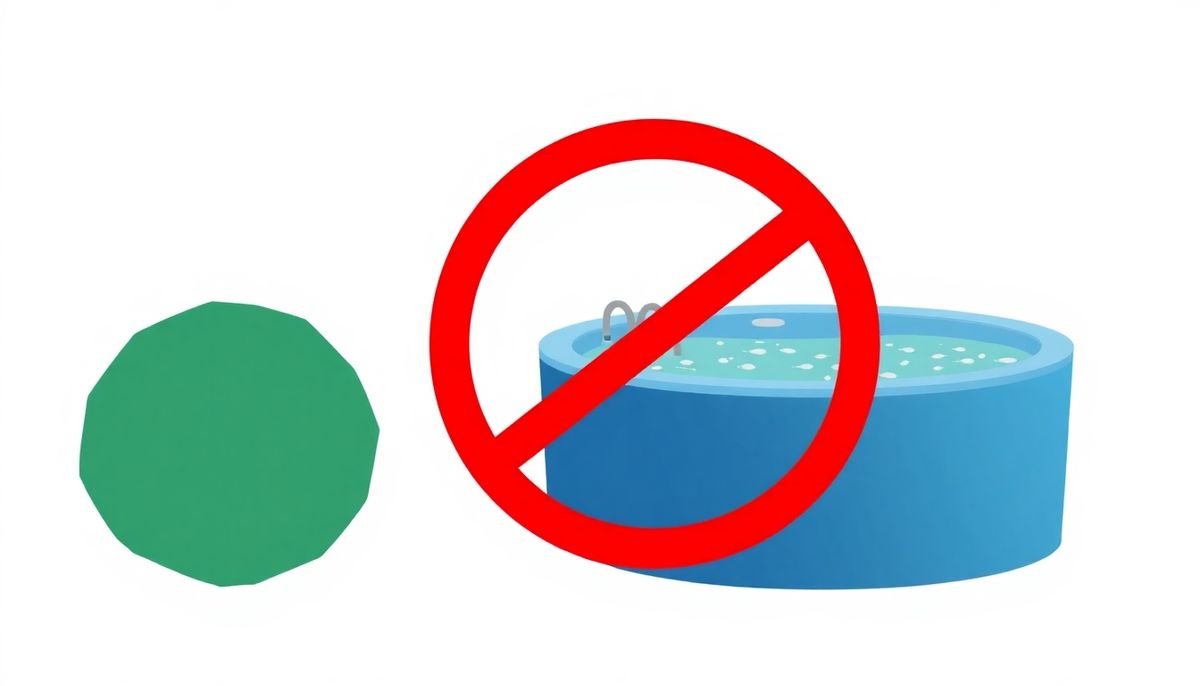
Protecting your hot tub takes more than regular cleaning. It means making smart choices about what touches the water. My friend learned this the hard way. Excited to add Epsom salt to her soak, she soon faced a hefty bill when the metal parts started corroding.
Your tub's chemistry is delicate. Adding something like Epsom salt throws off the balance, damages equipment, and can void warranties. Some things simply don't belong in your spa. Keeping pH and alkalinity in check is what helps sanitizers work and keeps harmful bacteria away.
Instead, pick products made for hot tubs. Natural mineral blends and spa-approved crystals match the soothing feel of Epsom salt without causing damage, and many add aromatherapy benefits too. Being careful about what goes in means easier maintenance and a more relaxing experience.
Avoid Epsom Salt Damage
Hot tub upkeep is a neat mix of chemistry and care. Epsom salt might seem soothing for sore muscles, but it's trouble for your tub's delicate ecosystem. The magnesium sulfate is fine for a standard bath, yet it wreaks havoc on hot tub parts. It's frustrating to find corroded metal or a heater that fails after a short while, and sulfate ions are usually the culprit.
Epsom salt can also unbalance the water, turning your retreat into a murky mess. It shifts the pH, which can leave sanitizers useless and raise the risk of bacteria. A bubbling pot of germs isn't what you're after.
My friend saw all of this firsthand: odd foaming, oily residue, and scale buildup that clogged her filters. It was a costly mistake. Rather than risk damage and void your warranty, use mineral-based spa products made for hot tubs. They give you the same relaxation without the harm.
Before you toss Epsom salt in, think about these safer options that work just as well.
Products that respect your water
Mineral-based spa treatments are made specifically for hot tubs, so they offer relaxation without risking the components. They mimic the soothing effects of Epsom salt but keep the water balanced and safe.
Spa-safe aromatherapy crystals build on hydrotherapy, which is already a natural perk of any tub. Made with natural minerals and botanicals, they dissolve completely, so nothing clogs your system. They turn your soak into a fragrant, stress-relieving treat.
If you want scent without any sediment, water-soluble fragrance pods come in a nice variety of aromas. They dissolve without leaving oily residue, keeping your filter and plumbing clear. Choosing products made for hot tub use keeps the water clean, the equipment working, and your relaxation uninterrupted.
Maintain Ideal Water Chemistry
Keeping your water balanced is like setting the mood at a cozy gathering. It takes the right mix to keep everyone comfortable and safe. Getting the pH, alkalinity, and sanitizer levels right keeps the water crystal clear and protects the tub's delicate parts.
The numbers to hit
Check your pH regularly, aiming for 7.2 to 7.8. Drift too high or too low and you get itchy skin and eyes, or worse, corroded metal and plumbing. Alkalinity is the buffer that keeps pH from swinging suddenly, so hold it between 80 and 120 ppm (parts per million). I once ignored these levels and got a surprise spa shutdown during a holiday weekend I'd been looking forward to. The lesson stuck.
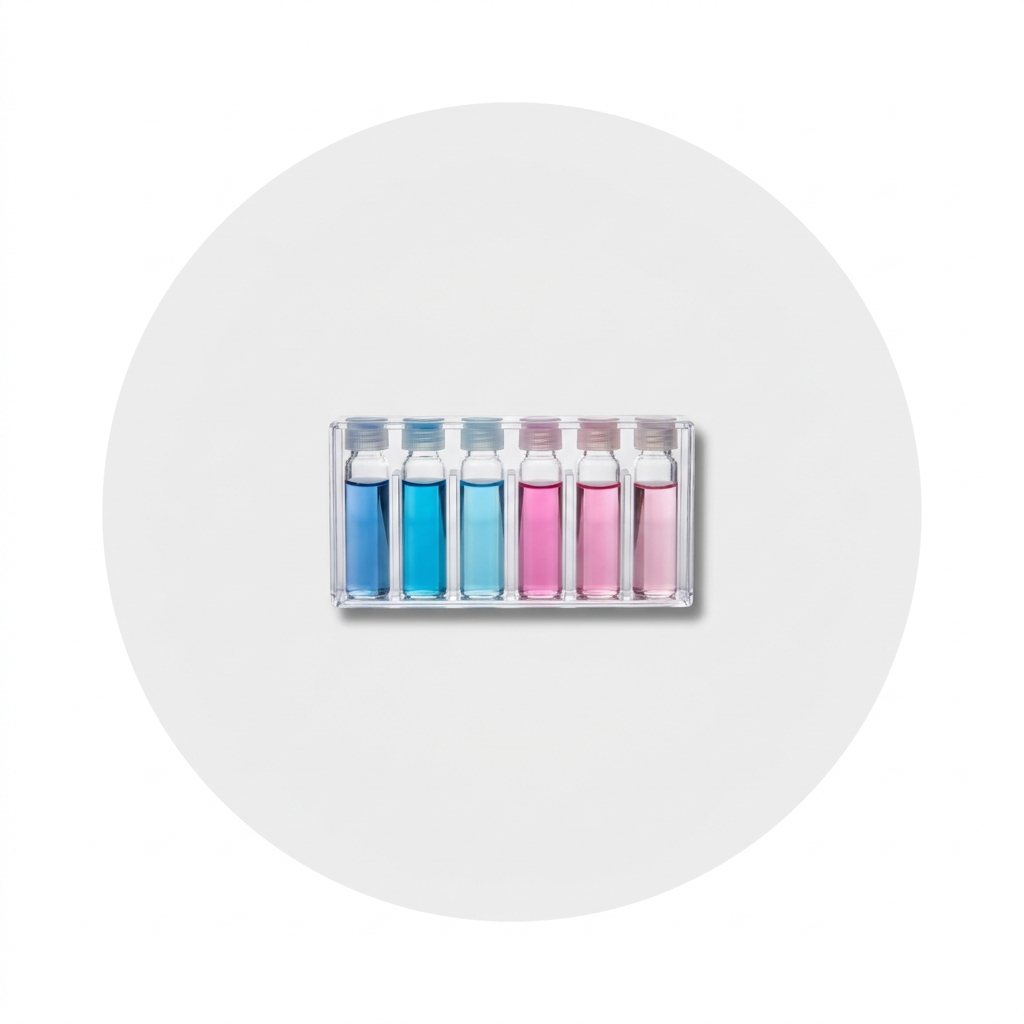
Don't forget the sanitizer, chlorine or bromine, which is your main defense against bacteria. A balanced level, usually 3 to 5 ppm, holds off contaminants so every soak stays clean. Test regularly with strips or a digital tester to catch imbalances before they turn into cloudy water or a bad smell.
Keep pH between 7.2 and 7.8, alkalinity at 80-120 ppm, and sanitizer at 3-5 ppm, and most problems never get a chance to start.
Explore Safe Alternatives for Relaxation
When you're after relaxation, there are safer options than Epsom salt. If you love the feel of a soak, hydrotherapy is a great way to unwind. Warm water plus well-placed jets works wonders on tense muscles, with no additives at all. It makes the most of what hot tubs are built for.
Aromatherapy crystals are another appealing choice. Made from minerals and botanicals, they dissolve easily and add a pleasant scent without harming your tub. With so many fragrances to pick from, you can set the mood to match how you feel while keeping the water balanced.
Mineral spa treatments made for hot tubs can be a perfect substitute too. They mimic the relaxing feel of Epsom salt but work with the system, so your downtime doesn't lead to expensive repairs.
Choose Compatible Spa Products
Picking the right spa products matters for both your tub's health and your own. The pull of Epsom salt makes sense given how it soothes muscles, but not every helpful bath product is hot tub-friendly. That's the lesson from my friend's backyard get-together, where a single cup of Epsom salt left me with a clogged filter and an afternoon with a wet/dry vac instead of the evening under the stars I'd planned.
To dodge that, invest in products built for hot tubs. Many contain soothing minerals, botanicals, and other natural ingredients that copy the benefits of Epsom salt without risking your plumbing or shifting the water balance.
Hot tub aromatherapy crystals dissolve fully, leave no residue, and come in a range of fragrances. Mineral-based sanitizers can improve your soak without harming the equipment. Choose compatible products and you protect both the life of your tub and the quality of your downtime.
Embrace Natural Remedies
There's something comforting about using nature's own remedies to soothe our bodies. Epsom salt and hot tubs might seem like a match made in relaxation heaven, but letting them mix is a recipe for trouble. Nature gives us plenty of safer alternatives that are just as good at melting away stress.
Take hydrotherapy. Rooted in ancient traditions, it uses the pressure and heat of water jets to ease all sorts of aches. I was skeptical the first time, but after a short soak the relief was clear.
Hot tub aromatherapy crystals are another lovely option, with scents like eucalyptus or lavender. They're oil-free, so there's no risk of clogging filters or upsetting the water. After a rough day, a handful and the fragrant steam is a real balm.
Finally, water-soluble fragrances give you a spa-like experience that's gentle on your skin. Lean into these natural remedies and let your hot tub time become a calm retreat.
Utilize Hydrotherapy Benefits
Sinking into warm, bubbling water gives you a unique kind of hydrotherapy, a time-tested method loved for its healing properties. It doesn't call for exotic ingredients. It's all about the water itself. Gentle pressure from the jets and soothing heat ease muscle tension and calm aching joints. Plenty of runners swear by a post-run soak to speed up recovery.
Hydrotherapy doesn't stop at physical relief. Bring in your other senses and it becomes a full wellness ritual. Hot tub aromatherapy crystals, made from natural minerals and botanicals, dissolve cleanly, leave no oily residue, and fill the air with calming scents. The lavender kind after a hectic day is like a mini-vacation in your own backyard.
The beauty of hydrotherapy is how simple it is. You can enjoy it as often as you like without changing your water balance or risking damage.
Maintain Optimal Water Chemistry

Understanding your hot tub water is like knowing the secret ingredient in a family recipe. The right balance is key to a safe, enjoyable soak. Focus on three things: pH, alkalinity, and calcium hardness. Each protects the tub and the people in it.
pH and alkalinity work together
pH is a tricky balancing act. Too high or too low and things go wrong. A proper level, ideally 7.2 to 7.8, keeps your sanitizer working and bacteria at bay. Alkalinity gives that balance stability, preventing rapid pH swings. Without enough, your readings bounce around unpredictably. A good range is 80 to 120 ppm.
Don't forget calcium hardness
Calcium matters too. Low calcium can pull minerals from your tub's parts and cause damage, while high calcium leads to ugly scale buildup. Aim for 150 to 250 ppm. Watch these levels and your hot tub stays a place of calm instead of a source of headaches.
Avoid Harmful Additives
Every so often we're drawn to quick fixes that promise relief. Picture soaking in warm water, muscles loose and stress gone. It sounds great, right up until you see what additives like Epsom salt actually do.
I was tempted early on too, drawn in by its reputation. The fallout isn't so soothing. Magnesium sulfate wrecks hot tub systems. The ions corrode metal parts, causing leaks and pricey repairs. Over time, scale buildup damages surfaces and plumbing. The dreamy idea of a therapeutic soak quickly turns into a chore.
On top of that, Epsom salt throws off the pH balance and weakens your sanitizers. The result is a breeding ground for bacteria instead of a calm retreat. That's why most manufacturers firmly warn against these additives, with warranty denials waiting for anyone who ignores the advice. Respecting the chemistry and using products made for the tub really is the most relaxing path.
Choose Safe Alternatives
When the promise of relaxation calls, it's worth looking past Epsom salt. There are alternatives that protect your spa and make the experience better.
Spa-specific mineral blends are a solid option. They're made with the tub's balance in mind, offering muscle relief without the corrosive downside. Products like mineral spa crystals dissolve smoothly and leave no residue. They often contain magnesium and other soothing elements, but they're formulated to be non-corrosive and safe.
Hydrotherapy stays a cornerstone of hot tub enjoyment. Heated water plus well-placed jets works wonders on sore muscles. Add water-soluble aromatherapy crystals for a sensory layer, filling the water with calming scents at no risk to your plumbing or filters.
If you love scents, water-soluble fragrance pods come in a variety of aromas, packed with skin-friendly extracts, so you step out feeling refreshed. The pull of Epsom salt is real, but respecting your tub's chemistry keeps it running well for years.
Drain and Clean Properly
Already added Epsom salt? Don't panic. A thorough drain and clean will handle it.
The drain and clean, step by step
Start by cutting the power to avoid any electrical mishaps. Then hook a garden hose to the drain valve; a sump pump speeds things up if you're short on patience. Make sure the hose leads to a safe drainage spot.
Once the water's out, it's time for some elbow grease. Remove the filters and wash them with a filter cleaner, or replace them if they're on their last legs. Inside the tub, use a non-abrasive cleaner on any residue, paying close attention to the jets and crevices, then rinse well so no cleaner lingers.
Refill by placing the hose in the filter well, which helps prevent air locks. Once it's filled to the right line, pop the filters back in, flip the power on, and add your startup chemicals. Run the jets for 15 to 20 minutes to circulate them, then test the water and adjust as needed. Finally, set the heater to your preferred temperature and check that everything, from jets to lights, is working.
If Epsom salt is already in your tub, a full drain and clean is the only real fix.
Clean and Restore Your Hot Tub
Beyond the occasional deep clean, a hot tub needs regular upkeep to stay inviting. It might feel like a chore, but once you get the hang of it, it's manageable.
Safety comes first. Always start by shutting off the power at the circuit breaker. Then drain the tub by opening the valve and attaching a garden hose, using a sump pump if you're pressed for time.
With the water out, the real work starts. Remove the filters, the unsung heroes that catch all kinds of debris. Clean them thoroughly, and replace them if they look worn. Then use a gentle, non-abrasive cleaner on the interior, reaching the nooks and crannies around the jets, and rinse well so no residue is left behind.
When you refill, put the hose in the filter well to avoid air locks. Once the level is right, reinstall the filters, restore power, and add the recommended chemicals. Let them circulate, test the water for balance, and confirm all the jets and controls work before you settle back in.
It's easy to overlook the hidden dangers in seemingly harmless additions. Epsom salt, with its soothing reputation, may look tempting. Yet those innocent-looking crystals can wreck your spa. Its water chemistry and intricate plumbing aren't built to handle such additives.
Your tub is set up to hold a delicate balance of pH and alkalinity, which is key for good sanitization and a pleasant soak. Epsom salt disrupts that balance and corrodes metal parts like heaters and pumps. Over time, that can mean costly repairs and a voided warranty.
My friend faced exactly this after her innocent try at a spa-like touch: corroded gaskets and a broken heating element. It's a cautionary tale about skipping the manufacturer's guidelines. If you want relaxation without the risk, mineral-based products and aromatherapy crystals give you similar benefits without harming your equipment.
Use Hot Tub-Safe Products

With hot tub maintenance, choosing the right products matters as much as the soothing experience they promise. Rather than risking damage with Epsom salt, go with hot tub-safe alternatives that work with your water balance.
Mineral-based spa products are one option. They dissolve completely, offering the therapeutic benefits of Epsom salt without the corrosive aftermath. Made from a blend of natural minerals, they're oil-free, so your filters stay clear. I once tried a brand with botanical extracts, and my skin felt like I'd just come from a luxury spa.
Aromatherapy crystals are another nice choice. They come in a range of fragrances, from calming lavender to bright citrus, each blended with skin-friendly ingredients that improve your soak without hurting the equipment. Your hot tub is an investment in relaxation, and choosing products made for it protects that investment while making every soak better.
Conclusion

Keeping your hot tub in top shape comes down to a few habits: leave Epsom salt out, hold your water balance steady, use spa-safe products, and stick to a simple maintenance routine. Do that and your tub stays a calm retreat instead of a repair project.
Want to get even more confident with spa and pool care? Our free Pool School course covers what you need to know, from basic maintenance to trickier troubleshooting. You'll learn how to:
- Save thousands on repairs and chemicals
- Keep your water crystal clear year-round
- Prevent and solve common problems
- Master water balance with confidence
Join over 10,000 owners who have already transformed their care routine. Get started with our free Pool School course today!
What you need
Stock up on spa-safe mineral treatments, oil-free aromatherapy crystals, fresh filters, and a reliable test kit so your hot tub water stays clear and your equipment stays protected.