



Nothing beats a clean pool on a hot day. But getting the water right takes some work, and the trickiest part is usually chlorine. Too much of it, and a nice swim turns miserable, with itchy skin, red eyes, and that heavy chemical smell.
Chlorine matters because it kills bacteria and holds off algae. The trouble starts when levels climb too high. My neighbor learned this the hard way. Her pool was so over-chlorinated that her kids could barely stand to swim. She set out to fix it, and once she figured out how to bring the levels down safely, the pool became fun again.
Managing chlorine is about more than dumping in or pulling out chemicals. You've got to understand your pool's little ecosystem, including sunlight, how many people swim, and even the weather. There are lots of ways to hit that sweet spot, from simple natural tricks to specialized gear. I'll walk you through the ones that actually work.
Your Action Plan
- Test your water for free chlorine, aiming for 1 to 3 ppm.
- If it's too high, uncover the pool and let sunlight break the chlorine down.
- Pause chlorine feeders and pull out tablets and floaters.
- For a faster fix, add pool-grade hydrogen peroxide, then recheck pH.
- Dilute with fresh water if needed, and retest.
- Consider a mineral or saltwater system to lean on chlorine less over the long run.
Test Water for Chlorine Levels
Start with a test kit
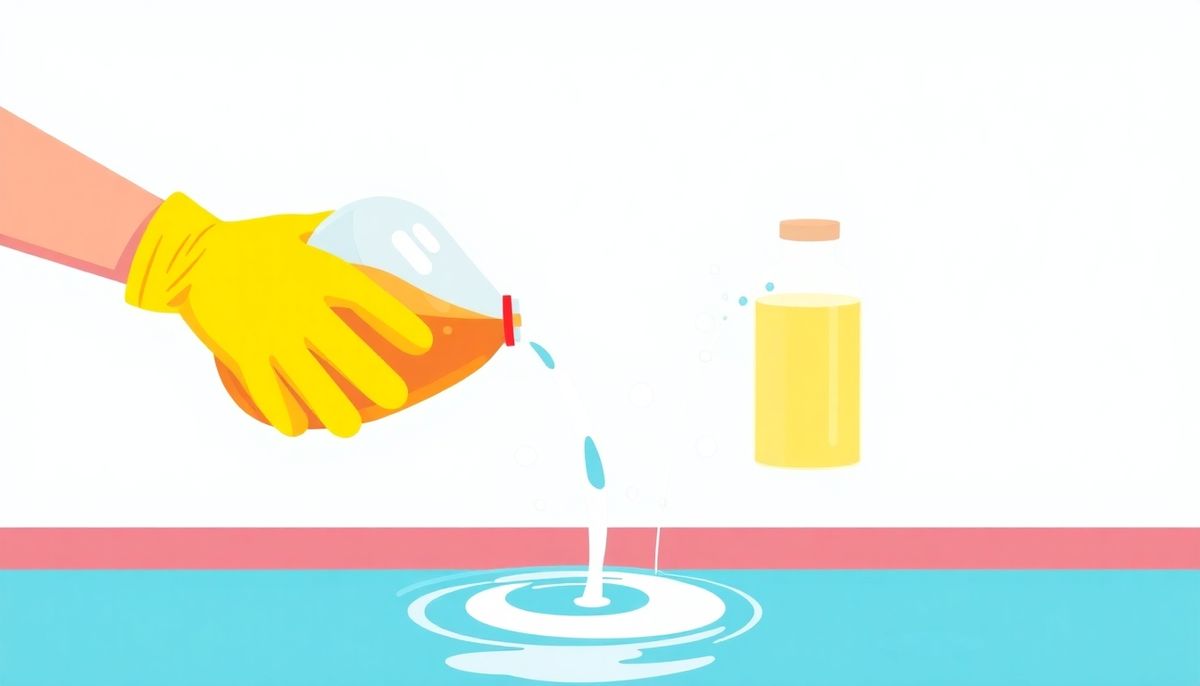
Getting to know your pool's chemistry starts with one simple task: testing the water. A test kit or test strips are must-haves, and they tell you more than you'd think. Dip a strip in and you're seeing the balance between free chlorine and combined chlorine. Free chlorine is on your side, actively neutralizing contaminants. Combined chlorine, or chloramines, is chlorine that's already been used up, and it's usually behind that strong pool smell.
Here's the part people get backward: that odor isn't a sign of too much chlorine. It's a sign your sanitizer needs a boost. My neighbor used to laugh about how pools smell strongest right when they need more chlorine, not less. Test regularly and you'll catch small changes early. Testing also tells you when to shock the pool, which clears out chloramines and refreshes your sanitizer.
That strong "chlorine" smell doesn't mean too much chlorine. It means your sanitizer is worn out and needs a boost.
Test Water for Free Chlorine
Know your free chlorine number
Free chlorine is the active stuff, fighting bacteria and algae and keeping the water clean. Think of it as a bouncer at the door, turning away unwanted guests before they cause trouble. You want that number sitting between 1 and 3 parts per million. Higher than that, and it's time to step in. Lower, and your water's open to contaminants.
Testing is simple and makes a real difference. Grab a good kit or strips, dip them in, and follow the steps for an accurate reading. Once you know the level, your next move is easy. Too high? Let a few hours of sun bring it down. Too low? A quick dose of chlorine gets you back to the sweet spot. Keep the test kit handy and make it part of your weekly routine.
Reduce Chlorine with Sunlight
Let the sun do the work
Your pool can soak up rays too, and sunlight is an easy, cheap way to bring chlorine down. Ultraviolet light breaks chlorine molecules apart and can cut levels by as much as 90% in just a few hours, especially on hot days when the sun is strongest.
A friend of mine had high chlorine after a pool party. Instead of running to the store, she just pulled the cover off and let the sun handle it. By evening the level had dropped a lot. Watch it, though. Leave the pool uncovered too long and chlorine can slip below that 1 to 3 ppm range, so the water stops being properly sanitized. If you use cyanuric acid as a stabilizer, expect a slower drop, since it shields chlorine from fast UV breakdown.
Use Minerals to Lower Chlorine
Add minerals to lighten the load
Silver and copper have been valued for ages for fighting germs. Work them into your routine and they can cut your chlorine use by up to 50%, which saves money and makes swimming more comfortable.
Mineral systems need almost no upkeep. Drop a dispenser into your skimmer basket and it feeds these elements into the water on its own. One usually lasts about six months and can sanitize pools up to 30,000 gallons. When I switched to one, the water felt gentler on skin and eyes, and I bought fewer chemicals. The install was simple, with clear directions that didn't need a pro. You'll still need a little chlorine, around 0.5 to 1 ppm, but the lighter chemical load makes for a nicer swim.
Use Sunlight to Reduce Chlorine

Sunlight, revisited
The sun overhead is a natural partner in managing chlorine, and often the simplest fix is right in front of you. Just like clothes dry faster on a bright day, UV rays break chlorine down quickly, sometimes by as much as 90% in a few hours. It's easy on your budget too, which helps since pool chemicals aren't cheap.
Use it wisely, though. If your pool is stabilized with cyanuric acid, that acts like sunscreen for chlorine and slows things down. Skip the stabilizer when you want a quick drop. I once left my cover off over a sunny weekend, and by Monday the chlorine had settled right back into the 1 to 3 ppm range. Just keep checking so it doesn't go too low. Balance is what keeps both your eyes and your water clear.
Test and Adjust Chlorine Levels
Bring high chlorine down, step by step
Balancing chlorine is a bit like seasoning a recipe. First, a reliable test kit tells you what's happening in the water. If chlorine has climbed past 1 to 3 ppm, it's time to adjust, since too much is rough on swimmers and hard on your equipment.
Start by turning off the chlorine feeder or pulling out tablets. Then let sunlight do its thing; a few hours can bring levels down a lot, though cyanuric acid will slow that. For a more direct fix, pool-grade hydrogen peroxide reacts with chlorine and lowers it, but it also drops your pH, so test and rebalance pH afterward. You can also dilute with fresh water, just watch closely, since that shifts your other levels too.
Whenever you cut chlorine with hydrogen peroxide or fresh water, retest your pH afterward, because both methods throw off the rest of your chemistry.
Harness Sunlight for Chlorine Reduction
Watch your cyanuric acid
Sunlight can cut chlorine by as much as 90 percent, and one afternoon with the cover off often does wonders. Just don't let levels drop below 1 to 3 ppm, or the water won't stay clean. Cyanuric acid makes this trickier, since it shields chlorine from sunlight. High CYA means the sun helps less.
It's a balance: enough CYA to protect chlorine on cloudy days, but not so much that it blocks the sun when you want its help. A friend keeps her chlorine in line just by checking the forecast and uncovering the pool on bright days. Simple, cheap, and easy on the environment.
Implement Mineral-Based Alternatives
A gentler feel on skin
Mineral-based options help if you want less chlorine without giving up clean water. Silver and copper have natural antibacterial properties, so they take over part of the sanitizing job and let you run up to 50% less chlorine.
Picture a device quietly working in your skimmer basket, releasing a steady dose of minerals into the water. A friend recently put one in and says it cut her chlorine costs and made the water feel noticeably softer, which her family loved during summer swims. These systems usually last about six months and handle pools up to 30,000 gallons, with very little attention once they're set up. If you want a natural, clear pool without leaning so hard on chemicals, this might be it.
Shock Pool to Remove Chloramines
Shock away the chloramines
Chloramines sound like chemistry-class material, but they matter for pool owners. They form when chlorine mixes with sweat, oils, and other impurities, and they're the real source of that strong "chlorine" smell. When you notice it, it's time to act.
A pool shock treatment is your best tool. You add a big dose of chlorine to break the chloramines down and reset the balance. The first time I dealt with this, I was unsure about shocking, but after a little research I gave it a try. I followed the steps, added the recommended amount, and let it work overnight. By morning the smell was gone and the water looked brighter. Shock on a day when the sun is less intense so the chlorine doesn't burn off fast, then test the water once it's done.
Test and Monitor Chlorine Levels
Don't trust your eyes, test
Balanced chlorine starts with steady testing. Use a test kit or a digital tester for extra precision and check regularly, aiming for 1 to 3 ppm. I once assumed my chlorine was perfect because the water looked pristine. A quick test proved it was too high. Looks can fool you.
Measure free chlorine, since that's the active agent fighting bacteria. If you're reading combined chlorine, again that telltale pool smell, your sanitizer is losing steam, and it's time to shock. Don't ignore pH either. Keep it between 7.4 and 7.6. When pH drifts, it irritates swimmers and makes chlorine harder to manage. Retest after any change, and your equipment will last longer for the trouble.
Implement Sunlight Exposure Method
The CYA balancing act
On a hot day, the sun does more than warm the water. It naturally lowers chlorine as UV rays break the molecules apart, up to 90 percent in a few hours. Keep it from dropping under 1 to 3 ppm, though.
If you use cyanuric acid, the drop comes more slowly. My neighbor's CYA-heavy pool held chlorine longer, so she had to manage her sun exposure more carefully. Adjust your cover to let direct sun in during peak hours, watch the level, and keep testing.
Utilize Mineral Systems for Reduction
Less time babysitting chemistry
Using minerals to cut chlorine is a clever move that trims chemicals and makes swimming more pleasant. Silver and copper act as natural sanitizers against bacteria and algae, cutting chlorine needs by up to half, down to as little as 0.5 to 1 ppm.
When I swapped a fussy chlorine routine for a mineral system, I spent less time on the chemistry and more time in the water. Setup is easy: drop a cartridge into the skimmer basket. They last around six months and treat up to 30,000 gallons, which covers most home pools. As a bonus, you get less skin irritation and less of that chemical smell. It's sustainable and swimmer-friendly at once.
Switch to Saltwater System

Salt instead of tablets
A saltwater system is a real shift for anyone who wants to lean less on traditional chlorine. Instead of juggling tablets, you add salt. As the water runs through a generator, a tiny electrical current turns the salt into chlorine and holds your levels steady, usually right around 3 ppm.
The swim feels nicer too. Softer water means less dry skin and eye irritation, so people stay in longer. I've watched a neighbor's kids, who used to avoid the pool for fear of red eyes, jump in every chance they get now. Maintenance gets easier since the system manages chlorine automatically, so you test and adjust far less. The setup costs something up front, but fewer chemical runs and comfier swims make it worth a look.
A saltwater pool keeps chlorine steady on its own and leaves the water soft enough that dry skin and red eyes stop chasing everyone out.
Reduce Chlorine Levels Safely
Quick fixes for a chlorine spike
When chlorine spikes, sunshine is your gentle fix. A few hours of direct sun can drop it by up to 90%. Just don't let it fall below 1 to 3 ppm. If you have a saltwater system, pause the salt chlorine generator so the chlorine already in the water can dissipate. Pulling tablets out of skimmers and floaters helps too.
For a faster route, pool-grade hydrogen peroxide reacts with chlorine and leaves behind harmless water and oxygen. Keep pH at 7.0 or above, then retest both chlorine and pH afterward. And if you'd rather get hands-on, swapping some pool water for fresh water lowers chlorine and refreshes the whole balance. Whatever you use, retest and adjust so the pool doesn't turn acidic.
Switch to Mineral Systems
One more reason to go mineral
Mineral systems ease the constant attention regular chlorine demands. Add silver and copper and you can drop chlorine use to just 0.5 to 1 ppm while these elements fight bacteria for a gentler swim.
Years back, a friend kept getting itchy skin from chlorine. After switching to a mineral system, his comfort improved, and so did the water clarity. Simple in-skimmer dispensers fit right into your existing setup and keep the water clean for up to six months, even in large pools. The upfront cost often pays for itself in chlorine savings over time. It's really about making the whole pool experience better, not just using less chlorine.
Convert to Saltwater Pool
Setting up a saltwater pool
Regular pools need frequent doses of tablets or liquid, so the chlorine level bounces around. Saltwater pools turn salt into chlorine using a small electrical current, holding a steady, lower level, usually between 1 and 3 ppm, with less hands-on work.
The switch isn't as intimidating as it sounds. You install a salt chlorine generator that ties into your existing filtration, and it does the heavy lifting as water circulates. Then you add salt until the water is about as salty as tears, nowhere near ocean strength, so no stinging eyes. It's a one-time install that makes upkeep simpler. People love the steadier chlorine and the softer feel of the water, and the long-term savings usually make it worthwhile.
Utilize Pool-Grade Hydrogen Peroxide
How hydrogen peroxide works
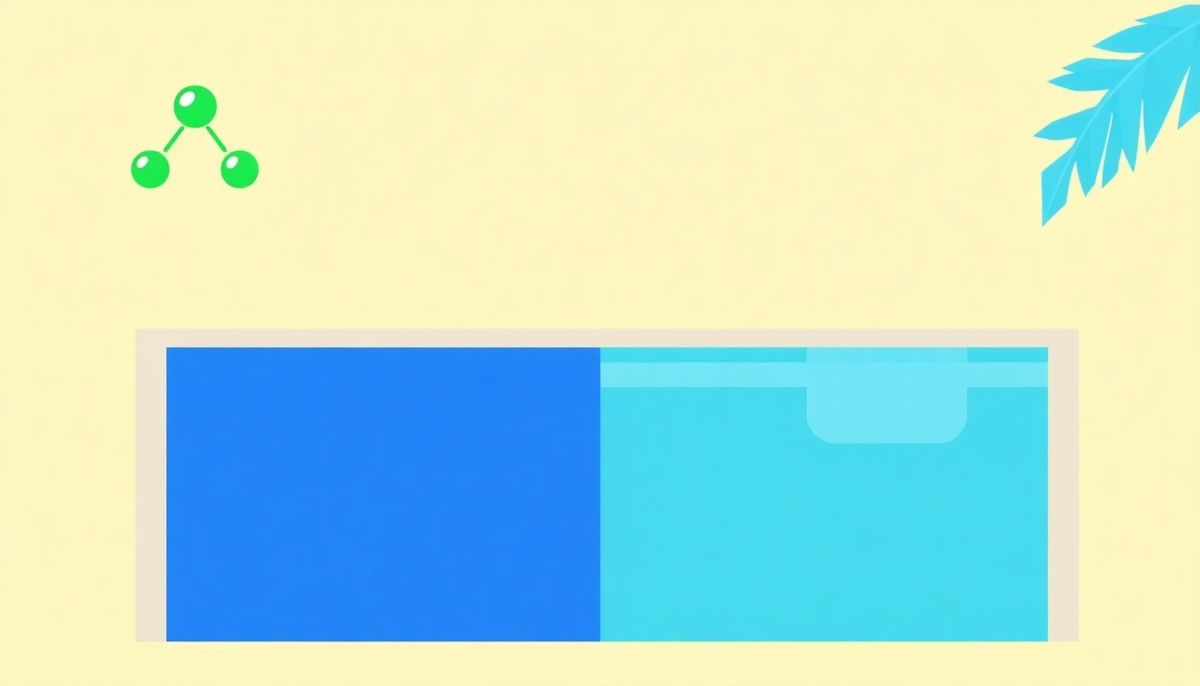
Pool-grade hydrogen peroxide is a handy way to knock down too much chlorine. It goes after chlorine directly and safely neutralizes it, turning it into harmless water and oxygen. It works best in balanced water, so get your pH to at least 7.0 before adding it.
My neighbor, a big swimmer, fought high chlorine all one summer. He gave hydrogen peroxide a try and was surprised how fast it worked. The chlorine started dropping right away, and he's been recommending it to everyone since. Precision matters here. Start small, add measured amounts, and test chlorine often. Going slow keeps the pH from dropping too sharply and turning the pool acidic. Once it's done its job, recheck and rebalance pH to keep the water swim-ready.
Implement Hydrogen-Peroxide Treatment
Go slow and keep a log
You know hydrogen peroxide from the first-aid kit, but pool-grade peroxide is a surprisingly good way to adjust chlorine, breaking the excess down into water and oxygen. Get your pH in order first, since it works best at 7.0 or higher, and an accurate reading now saves a headache later.
Then add it slowly, in small increments, retesting chlorine after each one. A light touch lets you watch the changes closely. It's effective, but it can drop your pH quite a bit, so test afterward and bring pH back to 7.4 to 7.6. One tip: keep a chemical log. It's both a record and a guide for next time, and it keeps your pool safe and pleasant.
Adjust pH for Optimal Results
Tune your pH like an instrument
Adjusting pH isn't glamorous, but it's a lot like tuning an instrument. When your pH sits between 7.4 and 7.6, chlorine works at its best, sanitizing the water without irritating anyone.
A friend once had a pool that looked clean but left everyone with red, itchy eyes after a swim. We blamed the chlorine at first, but the real culprit was pH way out of range. One adjustment, and the pool was clear and comfortable again. To fix pH, add a pH increaser (soda ash) or a decreaser (muriatic acid), and always test first, since even a small change has a big effect. Getting pH right keeps chlorine effective, extends your equipment's life, and protects pool surfaces.
Get your pH into the 7.4 to 7.6 range and chlorine finally does its job, sanitizing the water without stinging eyes and skin.
Conclusion
Keeping chlorine in check comes down to a few habits: test often, use the sun when you can, and reach for tools like hydrogen peroxide, minerals, or a saltwater system when you want less chemical fuss. Build any of these into your routine and clear, comfortable water stops feeling like a chore.
Want to go deeper? Our free Pool School course covers everything about pool care, from basic maintenance to tricky troubleshooting. You'll learn how to:
- Save thousands on pool repairs and chemicals
- Keep your water crystal clear year-round
- Prevent and solve common pool problems
- Master water chemistry with confidence
More than 10,000 pool owners have already changed their routine with it. Get started with our free Pool School course today!
What you need
Start with a good test kit or digital tester and a bottle of pool-grade hydrogen peroxide, then look at a mineral or saltwater system if you want to run less chlorine for good.