
Washington, DC · Pool Repair & Equipment Service · Updated 2026
Pump won't prime, heater won't fire, filter pressure climbing? 44 pool repair companies in the Washington area, ranked by rating and review count, with what common repairs cost in Washington this year. This page shows the top 20.
Ordered by customer rating and review count across the Washington area. Listings include the available rating, contact details and location; confirm current credentials and scope directly.




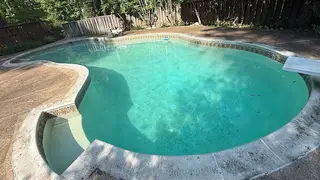

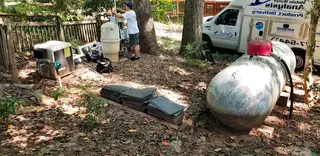
A diagnostic or service call in Washington typically runs $85–$170, often credited against the repair. The common jobs:
| Job | Typical Washington price |
|---|---|
| Service call / diagnostic | $85–$170 |
| Pump motor or seal replacement | $350–$900 |
| New variable-speed pump, installed | $900–$2,800 |
| Heater repair (igniter, sensor, board) | $175–$575 |
| Heater or heat pump replacement | $2,800–$7,300 |
| Filter rebuild (grids, cartridges, laterals) | $175–$575 |
| Salt cell replacement | $550–$1,250 |
| Automation / controller install | $1,700–$4,500 |
Washington, DC labor rates are above the national baseline used for these estimates, mainly on labor and permitting. Parts are priced nationally, so the spread between quotes usually comes from labor, brand and whether a repair or a replacement is recommended — ask for both numbers when a component is more than ten years old.
Photograph the pump, filter, heater and controller labels (model and serial). It saves a diagnostic visit and lets the tech bring the right parts.
Washington market
4.7 average customer rating · 1010 reviews · 44 companies · 30 specialists
See All on the Map →44 pool repair companies in the Washington area. 30 are listed as specialists for this work; the rest are weekly service routes that routinely handle it. The ranked companies average 4.7 stars across 1,010 customer reviews. PoolPad orders the list with a weighted score that combines customer rating and review count, so a long track record counts for more than a handful of scores.
Route service in the city proper is a specialty — small pools, gated access, and parking logistics — so many owners pair a maintenance contract with smart monitoring. The seasonal rhythm matches the suburbs: April opening, attentive summer, careful fall close. Freeze damage — cracked pump housings, split filter tanks and burst above-ground plumbing — is the classic spring repair here, and a documented winterization is the best defense.
Repair a component under about eight years old with a single failed part. Replace when the unit is older than ten years, when the repair is more than half the cost of a new one, or when a more efficient model — a variable-speed pump or a heat pump — pays back through lower Washington, DC energy bills within a few seasons. Ask for both quotes and the expected life of the new unit.
A service call or diagnostic in Washington, DC typically runs $85–$170, often credited against the repair. Pump motor or seal work runs $350–$900; a new variable-speed pump installed $900–$2,800; heater repairs $175–$575 and a heater replacement $2,800–$7,300; filter rebuilds $175–$575; a new salt cell $550–$1,250. Washington, DC labor is above the national baseline used for these estimates, mainly on labor and permitting. Get the repair and replacement price when equipment is more than ten years old.
Repair when the pump is under about eight years old and one part failed — a shaft seal, capacitor or lid o-ring is a $350-class fix. Replace when the motor is more than ten years old, the repair is more than half the cost of a new unit, or you are still running a single-speed pump: a variable-speed model typically cuts pump electricity by 50–80% and is required for most new installs under federal efficiency rules.
The most common causes are low water flow (dirty filter, closed valve or a failed pressure switch), a failed igniter or thermistor, a tripped high-limit switch, gas supply problems or a control board fault. Check filter pressure and valves first; if flow is fine, a heater technician can test the switches and board in one visit. Repairs typically run $175–$575, and units past 12–15 years are usually replacement candidates at $2,800–$7,300.
Pump motors typically last 8–12 years, filter cartridges 2–4 years, DE grids 5–10 years and filter tanks 15–25 years. Gas heaters last 10–15 years and heat pumps 10–20 with clean water and steady flow. Salt cells run 3–7 years depending on runtime and calcium scaling. Balanced water and clean filters are the cheapest way to reach the long end of those ranges.
The outdoor season in Washington runs mid-May through September — about 4 months unheated. A full professional winterization each fall protects plumbing and equipment through the freeze, and spring openings cluster into the same few weeks. Mid-May through September, humid at the peak. Winters freeze enough for a full close, and heaters are common because owners want every week the short urban season can give.
DMV Pool Service Inc. has the highest customer rating on this Washington list at 5 stars across 54 reviews. Millennium Pools & Spas, LLC has the largest review count (139 reviews at 4.4 stars). PoolPad orders the list with a weighted score that combines customer rating and review count, so a long track record counts for more than a handful of scores.
DC projects run through the Department of Buildings with licensed contractors, electrical and plumbing permits, and residential barrier requirements. Ask your builder for recent District-specific approval timelines. Historic-district review can add time in Georgetown and Capitol Hill.
Often, yes. Most manufacturers give a longer warranty — commonly three years instead of one — when equipment is bought and installed through a qualified pool professional, and some void coverage for online purchases installed by the owner. Ask the repair company whether it is a warranty station for your brand and keep the installation invoice with the serial number.
Check pool repair in cities near Washington.
Claim your free PoolPad listing, check the repairs and equipment work you handle, and show Washington pool owners with a broken pump or heater that you can fix it.